Whole House Fan Installation in Phoenix
Whole house fan installation in Phoenix, Arizona lets you flush hot indoor air out and pull in cooler outside air on the evenings and mornings when the desert's big temperature swing works in your favor , but it's real electrical work, and sizing the fan, sealing the damper box, and checking attic venting all have to be done right.
Tell us about your home and get connected with a background-checked Phoenix electrician who sizes the fan to your square footage, wires it to code, and quotes an upfront price before any work starts.
No app to download. Works right in your browser.
ShowUp Guarantee, no-show means no pay.
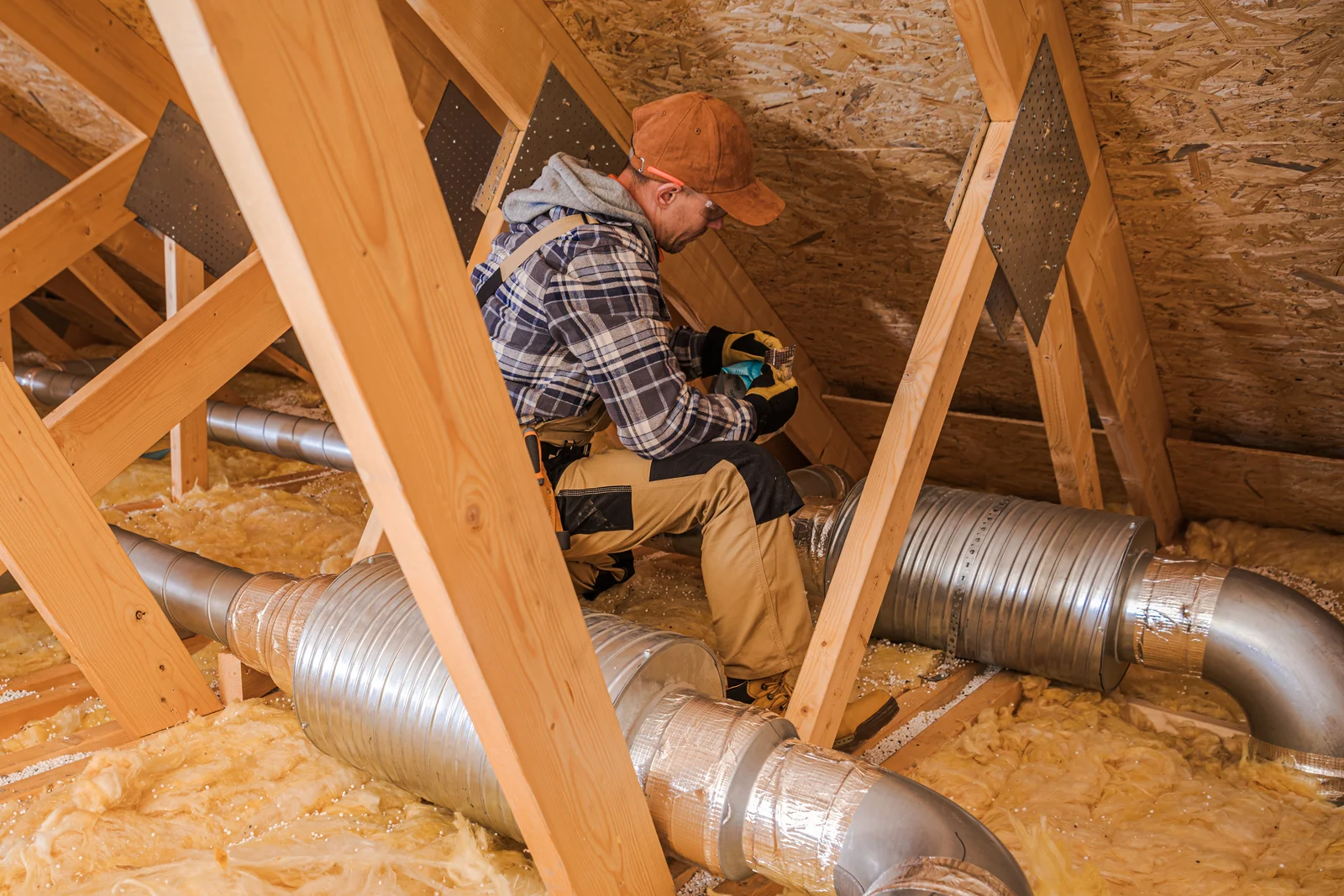
Why Whole House Fan Installation Makes Sense in Phoenix
Phoenix has one thing working in its favor that a lot of humid climates don't: a big swing between daytime and nighttime temperatures. A whole house fan takes advantage of that swing directly, it pulls cooler outside air in through open windows and pushes your home's hot indoor air up into the attic and out, in minutes instead of hours.
That's a different job than an attic fan does. An attic fan only cools the attic space above your ceiling; a whole house fan actively moves air through the rooms you actually live in. Run correctly on a cool evening, it can drop indoor temperature several degrees before you ever need the AC.
ShowUp Promise matches you with a vetted, licensed, insured, background-checked electrician who sizes the fan to your square footage, wires it correctly, and backs the work with the ShowUp Guarantee: if they don't show up when promised, you don't pay.
What Makes a Whole House Fan Different From an Attic Fan
The two get confused constantly, and the wiring is genuinely different, so it's worth knowing what you're actually asking for before a pro shows up:
- Location, a whole house fan mounts in a central hallway ceiling, drawing air from the living space; an attic fan mounts inside the attic and never touches the air you breathe
- Airflow path, whole house fans pull outside air in through open windows, through the house, and out through the attic; attic fans just recirculate attic air out a roof or gable vent
- Insulated damper box, a whole house fan needs a sealed, insulated damper that closes when it's off, so summer attic heat and winter cold don't pour back down into your hallway
- Higher airflow (CFM), whole house fans move far more air than attic fans, which means the attic venting requirement is stricter and gets checked before installation, not after
- Control, most units run on a wall switch, pull cord, or smart timer rather than a thermostat, since you're choosing when to use the temperature swing, not reacting to attic heat automatically
- Best use window, whole house fans earn their keep on cool evenings and mornings; attic fans work anytime the attic is hot, day or night
What the Electrical Work Actually Involves
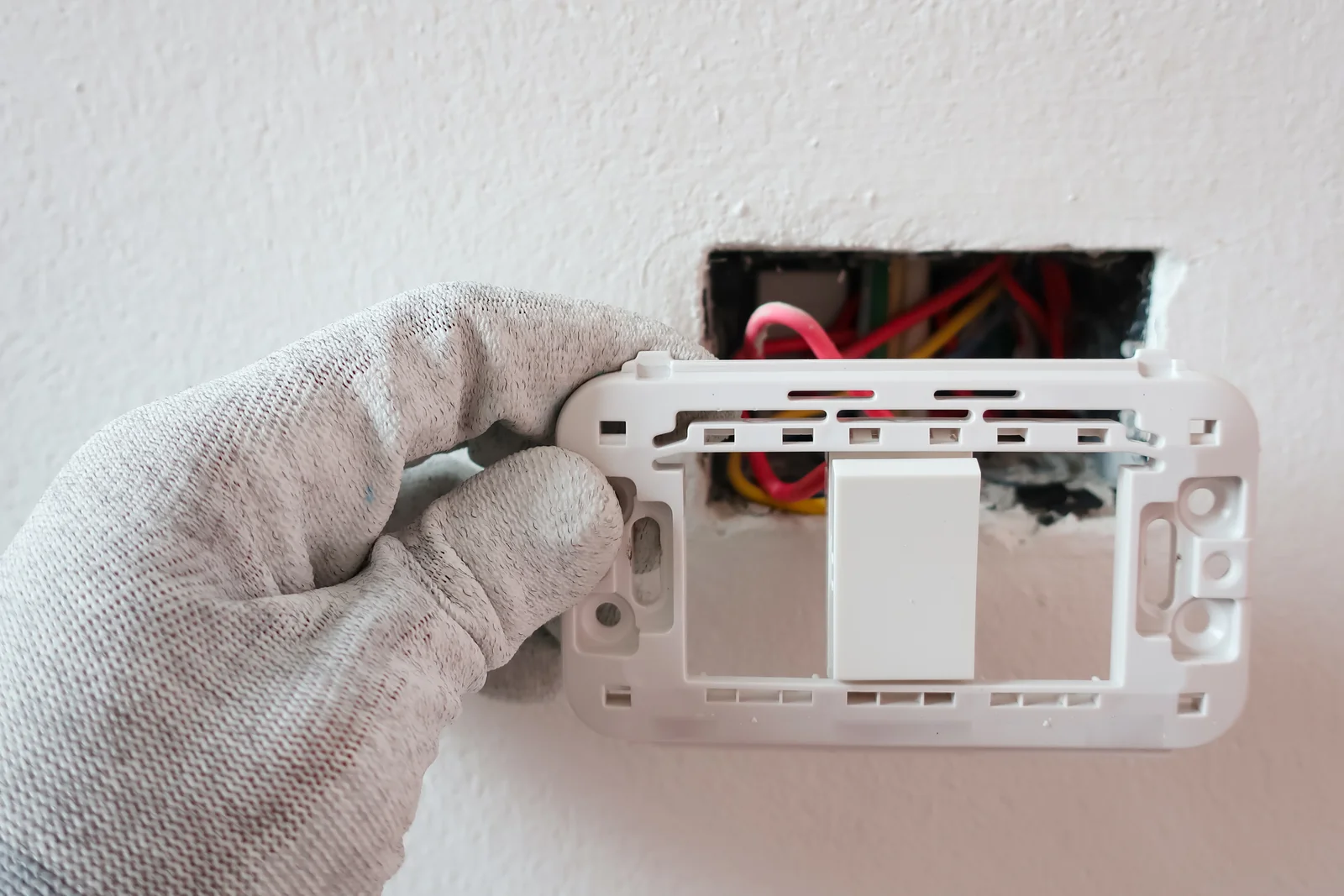
A whole house fan almost always gets its own dedicated circuit back to the panel, the motor draw on a full-size unit is more than most existing hallway or lighting circuits are built to carry safely.
The wall switch, pull-cord control, or smart timer gets wired inline, and the whole run, from panel to fan housing, gets checked against current electrical code for wire gauge, breaker size, and junction box protection in the attic space above.
The insulated damper box that seals the fan opening when it's off also needs to be mounted and sealed correctly, since a poorly sealed box is the single biggest reason homeowners complain about drafts or higher summer AC bills after a bad install.
Does Your Attic Have Enough Venting?
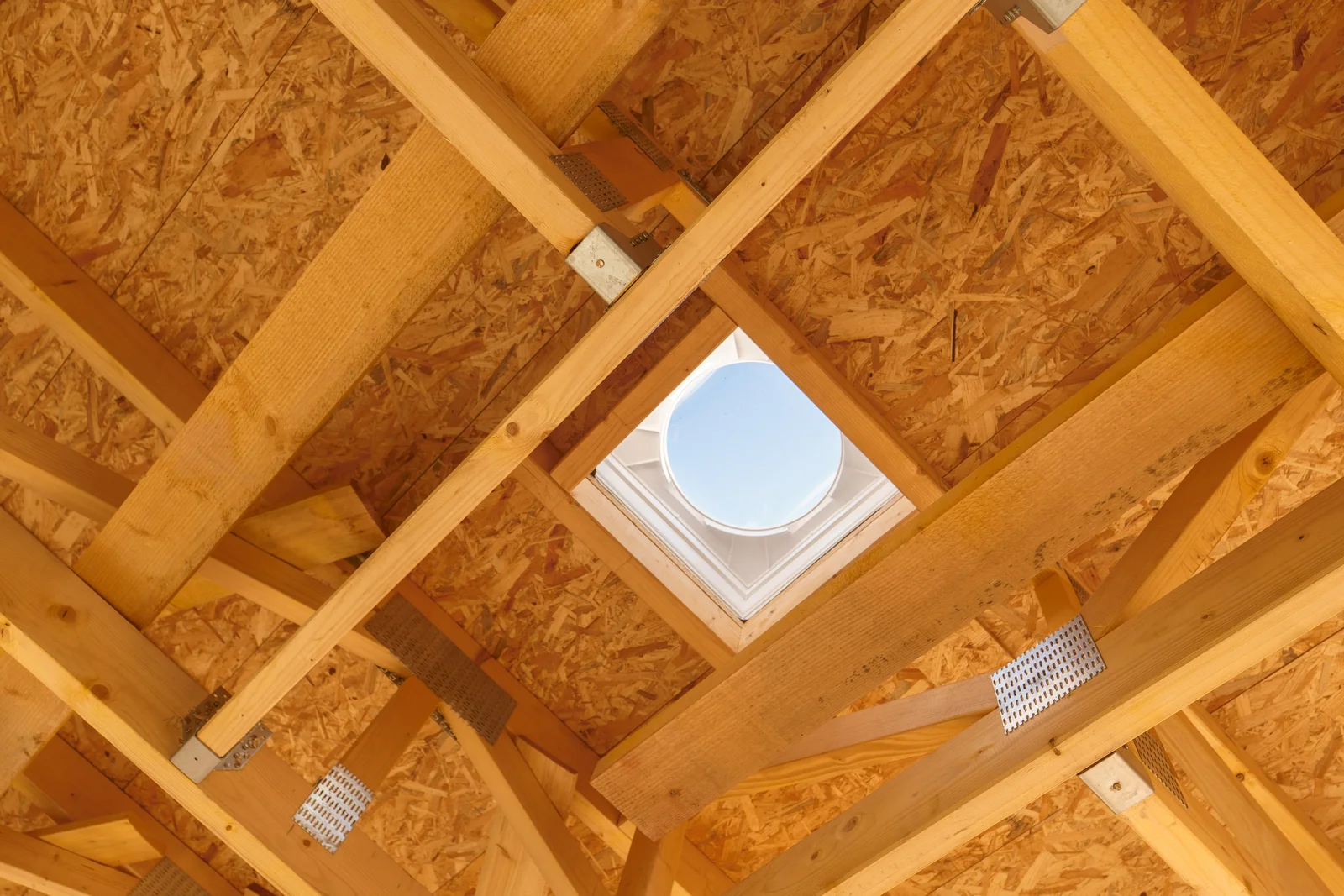
This is the single most common installation problem, and it's the first thing a qualified installer checks before recommending a fan size. A whole house fan moves a large volume of air fast, and the attic needs enough soffit, gable, or ridge venting to let that air actually escape.
Most manufacturers call for roughly 1 square foot of net free vent area for every 750 CFM the fan moves. Plenty of older Phoenix attics fall short of that, which means additional vents get added as part of the job, not discovered as a problem after the fan is already running.
Skip this step and the fan pressurizes the attic instead of properly venting the house, cutting performance and, in the worst cases, pushing hot attic air back down through can lights and gaps around the attic hatch.
When a Whole House Fan Actually Pays Off in Phoenix
Homes along the Central Corridor and in Arcadia near Camelback Mountain see some of the sharpest day-to-night temperature drops in the Valley, once the sun sets, outdoor air can fall well below indoor temperature even after a 105-degree afternoon.
Sunnyslope and neighborhoods along 7th Street benefit the same way in spring and fall, when nighttime lows regularly sit in the 60s while the house is still holding daytime heat. Homes closer to Loop 202 and the East Valley see the same pattern with slightly later evening cool-downs.
Run the fan those evenings and mornings and it does real work; run it during a July afternoon and you're just pulling in hot air. Most Phoenix homeowners get the most value using it heavily in spring and fall, and on summer nights once temperatures drop below the mid-80s.
Permits and Electrical Code in Phoenix
Installing a whole house fan on a new or upgraded circuit generally requires a City of Phoenix residential electrical permit. Your ShowUp Promise electrician tells you which category your job falls into and pulls any required permit as part of the work.
If your property is in Scottsdale, Tempe, Mesa, Chandler, Gilbert, or Glendale, each city runs its own building department with its own permitting rules.
Because attic temperatures here regularly cross into dangerous territory for anyone working overhead, most attic electrical work gets scheduled for early morning, in line with OSHA heat-exposure guidance for anyone working in an enclosed, poorly ventilated attic during the hottest part of the day.
What Whole House Fan Installation Costs in Phoenix
A whole house fan installed on an existing, accessible circuit typically runs $1,200 to $2,200, including the insulated damper box and control switch. Running a new dedicated circuit from the panel, common in older Phoenix homes, usually brings the total to $1,800 to $2,800.
That's more than a basic attic exhaust fan, mainly because the unit itself moves far more air and the insulated, sealed damper box costs more to source and install correctly. Every ShowUp Promise electrician gives you an itemized, upfront price before any work starts, no surprises once the job is underway.
Serving Phoenix and the Whole Valley
ShowUp Promise matches homeowners with electricians across Phoenix and the wider Valley, including Arcadia, Sunnyslope, the Central Corridor, Scottsdale, Tempe, Mesa, Chandler, and Gilbert. Wherever your home is, there's likely a vetted pro nearby ready to get your fan installed correctly.
Not sure whether you need a whole house fan or attic fan installation? Our network also handles an emergency electrician, electrical panel replacement, surge protector installation, ceiling fan repair, recessed lighting installation, smoke detector repair, a licensed electrical contractor, general electric service, an electrical inspection, a commercial electrical contractor, general electrical repair, GFCI outlet installation, Level 2 EV charger installation, a North Phoenix electrician, parking lot lighting repair, and pool light repair. You can also browse all of our trusted contractors in Phoenix in one place.
The ShowUp Guarantee
Every electrician in the ShowUp Promise network is vetted, licensed, insured, and background-checked before they ever reach your property. You approve the price before work starts, and if a pro doesn't show, you don't pay, the system reassigns your job to the next available verified pro instead.
Whole House Fan Installation Phoenix FAQ
How Much Does Whole House Fan Installation Cost in Phoenix?
What's the Difference Between a Whole House Fan and an Attic Fan?
How Many Windows Do I Need Open for a Whole House Fan to Work?
Will a Whole House Fan Cool My House as Well as My AC?
Does My Attic Have Enough Venting for a Whole House Fan?
Do I Need a Permit for Whole House Fan Installation in Phoenix?
Get Your Phoenix Whole House Fan Installed Right
Tell us about your home, then match with a vetted, licensed, insured Phoenix electrician who wires it to code, checks your attic venting, and shows up when they say they will.