Fan Repair in Phoenix
Fan repair in Phoenix should be fast and done right the first time, vetted, licensed, insured appliance pros for a bathroom exhaust fan, range hood fan, or whole-house fan that is loud, weak, or dead.
Tell us what your fan is doing and get matched with a background-checked Phoenix pro who shows up on time.
No app to download. Works right in your browser.
ShowUp Guarantee, no-show means no pay.
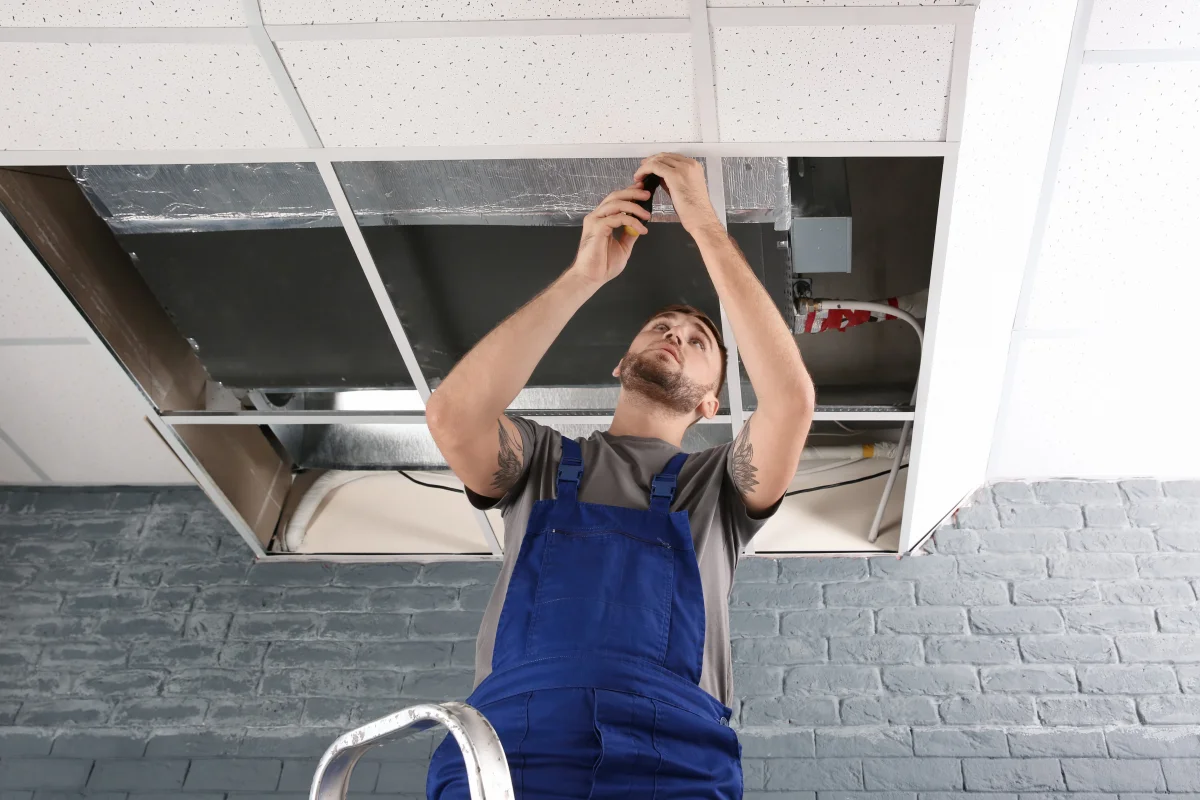
Fan Repair in Phoenix Done Right
A bathroom fan that has gone quiet, a range hood fan that no longer pulls smoke off the stove, or a whole-house fan that will not kick on is not a small annoyance in Phoenix, it is your home's defense against trapped moisture, kitchen heat, and attic temperatures that regularly climb past 130 degrees in summer. A fan working half-speed is often days away from failing completely.
The trouble is that fan problems are easy to misdiagnose. A weak bathroom fan gets blamed on the motor when it is really a clogged vent or a worn capacitor, and a silent whole-house fan often comes down to a tripped breaker or bad switch rather than a dead unit. Cold-calling a handyman means hoping they can actually tell the difference.
ShowUp Promise replaces that guesswork: describe what your fan is doing and we match you with a vetted, licensed, insured, background-checked appliance pro near you. You get a real diagnosis, an upfront price, and a pro who shows up, and if they do not, the ShowUp Guarantee means you do not pay.
The Fan Problems Phoenix Pros Fix Most
Most calls come down to a handful of failures across bathroom, kitchen, and whole-house fans. The pros in our network diagnose the real cause instead of swapping parts and hoping:
- Bathroom exhaust fans that are loud, rattling, or barely moving air
- Range hood and kitchen exhaust fans that will not pull smoke or steam out
- Whole-house and attic fans that trip the breaker or will not turn on at all
- Worn motor bearings, bad capacitors, and failed switches or pull chains
- Clogged, sagging, or disconnected duct runs choking off airflow
- Dead lights, dimmer conflicts, and combo fan-light units acting up
Why Phoenix Fans Fail Differently
Phoenix attics regularly bake past 130 degrees in summer, and every whole-house or attic-mounted fan motor has to run inside that heat. Insulation on old windings breaks down faster, capacitors weaken sooner, and plastic housings get brittle, all of which shorten a fan's life compared to the same unit installed somewhere with a milder climate.
Dust intrusion is the other half of the problem. Valley dust gets pulled in through roof and soffit vents and packs into motor housings and bearings, turning a quiet fan noisy months before it would fail elsewhere. Bathroom fans fight a second issue too, steam from daily showers still creates real humidity in a small room, even in a dry climate.
A pro who services fans across the Valley every week checks the vent path, the attic temperature the unit is fighting, and the motor and capacitor condition together, because in this heat the root cause is often environmental stress, not a single random part failure. A whole-house fan in an older ranch home off Indian School Rd near Encanto has to fight the same attic heat as a newer build out by Desert Ridge and Loop 101, the climate does not spare either one.
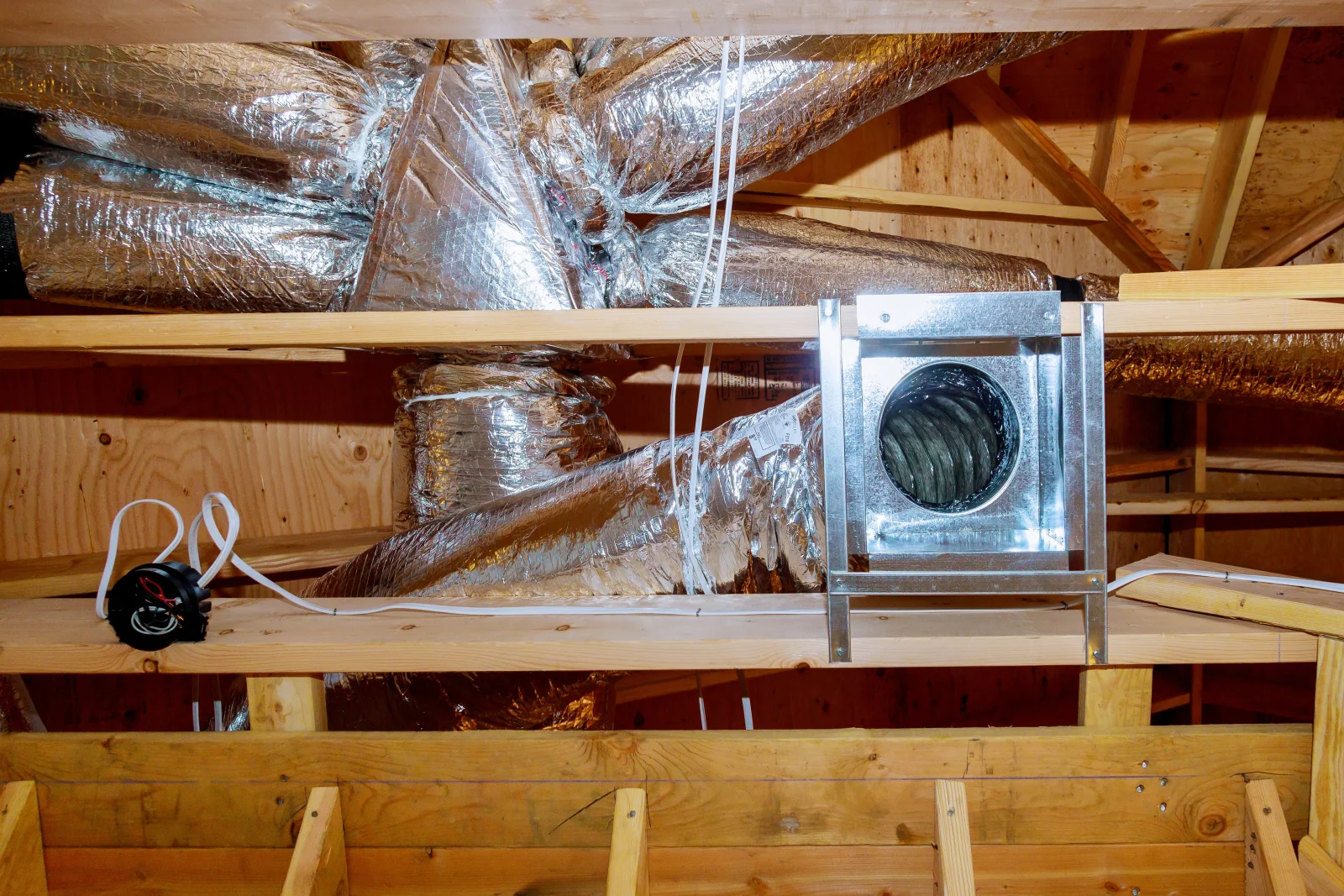
How ShowUp Promise Connects You With an Appliance Pro
Getting matched takes a couple of minutes. Tell us what is wrong, a bathroom fan that is rattling, a range hood fan that will not pull air, or a whole-house fan that trips the breaker , and we connect you with an available, vetted appliance pro from our network of trusted contractors in Phoenix.
You see and approve an upfront price before any work begins, pay securely in-app, and can track your pro's arrival. Because every pro is licensed, insured, and background-checked before they join, you skip the part where you wonder whether the person you called can actually work safely inside a live circuit or a hot attic.
No app to download and no obligation to book the first quote, just a faster, safer path to a fan that actually moves air again.
The ShowUp Guarantee
Every appliance pro in the ShowUp Promise network is vetted, licensed, insured, and background-checked before they ever reach your door. You approve the price before work starts, and if a pro does not show, you do not pay, the system automatically works to reassign your job to the next available verified pro so you are never left with a dead fan and no answer.
What Fan Repair Costs in Phoenix
A typical Phoenix fan repair runs $100 to $350, with a diagnostic or service call around $65 to $125 that is usually credited toward the work. A capacitor, switch, or bearing service is about $100 to $200, while a full motor replacement or a whole-house attic fan repair can reach $250 to $450 or more depending on access.
The final number tracks which part failed and how hard the unit is to reach, a bathroom fan behind an easy access panel is quick, while a whole-house fan buried in a hot attic takes longer and costs more. On an older, low-capacity builder-grade fan, that is often the point where a pro will tell you a replacement makes better sense than the repair.
With ShowUp Promise you see an all-in price and approve it before any work begins, so there are no surprise add-ons after the job. Ask for the diagnosis, the repair-or-replace call, and any workmanship warranty in writing so you know exactly what you are paying for.
The Parts That Fail on a Phoenix Fan
Most fan problems trace back to the same short list of parts. A pro tests for these instead of guessing at a full replacement first:
- Worn motor bearings that grind, squeal, or seize completely
- Weak or shorted run capacitors that cannot start the motor
- Broken switches, pull chains, and wall controls
- Dust-packed housings and blades throwing the fan out of balance
- Collapsed, disconnected, or crushed duct runs behind the wall or roof
- Damaged wiring and junction boxes in hot attic installations

Bathroom, Range Hood, and Whole-House, Finding the Real Fault
Bathroom, range hood, and whole-house fans fail in their own ways, and the fix often starts with how the unit is installed. A bathroom fan vents through a short duct run to the roof or soffit; a range hood fights grease buildup on top of dust; a whole-house fan pulls from a superheated attic and works harder for it.
A good repair starts with diagnosis, not parts. The pro checks the motor and capacitor, traces the duct path for blockages or disconnects, and confirms the switch and wiring are sound before quoting a repair on any of the three.
Whether it is a five-minute capacitor swap, a new switch, or a full motor decision, ShowUp Promise matches you with a vetted pro who finds the real fault and quotes it upfront, including an honest repair-or-replace call so you never over-spend on a fan that is not worth it.
Serving Phoenix and the Whole Valley
ShowUp Promise matches homeowners with fan and appliance repair pros across Phoenix and the wider Valley, including Mesa, Scottsdale, Paradise Valley, Chandler, Tempe, Gilbert, Glendale, Peoria, Surprise, and Goodyear. That covers everything from a mid-century home near Melrose District and Central Ave to a townhouse off the I-17 in Moon Valley or a newer build near South Mountain and the Loop 202, wherever your home is, there is likely a vetted pro nearby who works desert appliances every day.
Have more than the fan acting up? The same network covers the other appliance jobs Phoenix homeowners need, like dryer vent installation in Phoenix, refrigerator repair in Phoenix, washing machine repair in Phoenix, wall oven installation in Phoenix, microwave repair in Phoenix, wine cooler repair in Phoenix, walk-in cooler repair in Phoenix, commercial refrigeration repair in Phoenix, espresso machine repair in Phoenix, Electrolux appliance repair in Phoenix, Wolf appliance repair in Phoenix, Asko dishwasher repair in Phoenix, appliance repair in North Phoenix, and garbage disposal repair in Phoenix. You can also browse all of our trusted contractors in Phoenix in one place.
Fan Repair Phoenix FAQ
How Much Does Fan Repair Cost in Phoenix?
Why Is My Bathroom Fan So Loud or Rattling?
Why Isn’t My Range Hood Fan Pulling Smoke and Steam Out?
Should I Repair or Replace a Broken Exhaust Fan?
Why Does My Whole-House or Attic Fan Trip the Breaker?
Why Is My Attic or Bathroom Fan Not Venting Properly in Phoenix’s Heat?
Do I Need a Permit for Fan Repair or Replacement in Phoenix?
Can a Bad Exhaust Fan Lead to Mold in a Phoenix Bathroom?
What Size Whole-House Fan Does a Phoenix Home Need?
How Do I Know the Fan Repair Tech Is Licensed, Insured, and Qualified?
Get Your Phoenix Fan Fixed
Match with a vetted, licensed, insured Phoenix appliance pro who diagnoses the real problem, fixes it clean, and shows up when they say they will.