Attic Fan Installation in Phoenix
Attic fan installation in Phoenix, Arizona is one of the most effective ways to pull scorching heat out of your attic before it overworks your air conditioner all summer long, but it's electrical work, and doing the circuit, thermostat, and venting right the first time matters.
Tell us about your attic and get connected with a background-checked Phoenix electrician who sizes the fan correctly, wires it to code, and quotes an upfront price before any work starts.
No app to download. Works right in your browser.
ShowUp Guarantee, no-show means no pay.
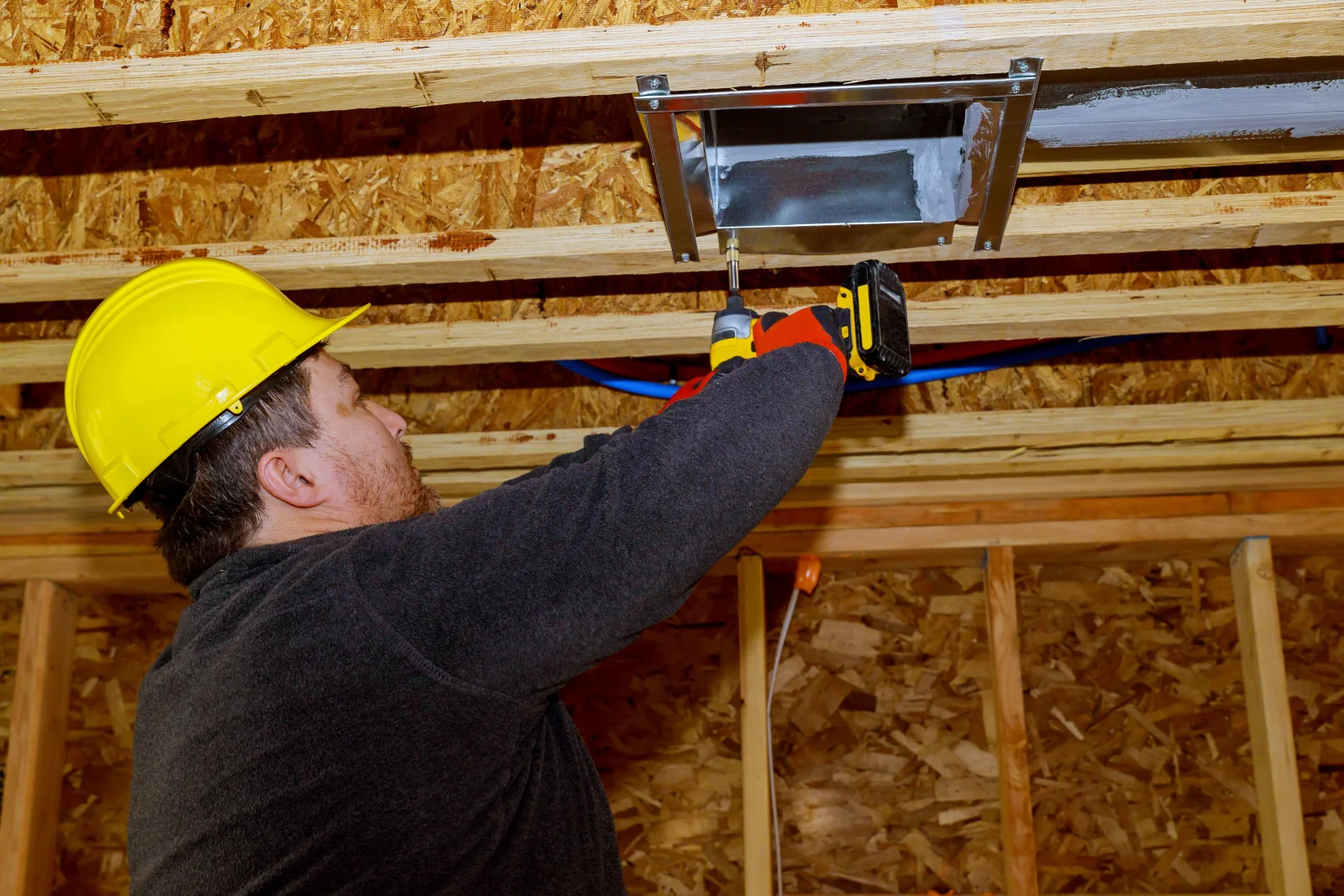
Why Attic Fan Installation Matters in a Phoenix Attic
A Phoenix attic with no active ventilation can climb past 150°F on a summer afternoon, heat that radiates straight down through your ceiling, bakes roofing shingles from underneath, and forces your AC to fight a losing battle all day. An attic fan pulls that superheated air out and replaces it with cooler outside air, so your cooling system isn't working against a furnace sitting directly overhead.
Beyond comfort and cooling costs, a hot, stagnant attic shortens the life of your roofing materials, warps stored belongings, and, once monsoon humidity moves in, creates the exact conditions mold and mildew need to take hold in insulation and framing.
ShowUp Promise matches you with a vetted, licensed, insured, background-checked electrician who sizes the fan to your attic's square footage, wires it correctly, and backs the work with the ShowUp Guarantee: if they don't show up when promised, you don't pay.
Solar, Hardwired, or Thermostat-Controlled, Choosing the Right Fan
The right attic fan depends on your attic's size, your roof orientation, and how the wiring will get there. Your electrician walks the attic and gives you a straight recommendation, but here's what typically separates the options:
- Hardwired electric fans, the most powerful option, wired to a dedicated circuit and controlled by a thermostat or humidistat so they run only when needed
- Solar-powered fans, no house wiring required, run free off a roof-mounted panel, ideal for attics without easy circuit access
- Gable-mounted vs. roof-mounted, gable fans exhaust through an existing gable vent, roof-mounted fans cut through the deck and need proper flashing
- Thermostat control, turns the fan on automatically once the attic hits a set temperature, usually 100–110°F
- Humidistat control, adds moisture-triggered operation, valuable during Phoenix's monsoon humidity spikes
- Manual switch, simplest and cheapest, but requires you to remember to turn it on
What the Electrical Work Actually Involves
A hardwired attic fan almost always gets its own dedicated circuit back to the panel, rather than tapping an existing lighting circuit, that keeps the fan's motor draw from ever tripping a breaker shared with something else in the house.
The thermostat or humidistat control gets wired inline so the fan switches on automatically at the temperature or humidity threshold you set, and the whole run, from panel to fan, gets checked against current electrical code for wire gauge, breaker size, and junction box protection.
Attics are unfinished spaces, so any exposed junction boxes or receptacles in that run typically need GFCI protection. Your electrician builds this into the install rather than treating it as an add-on afterward.

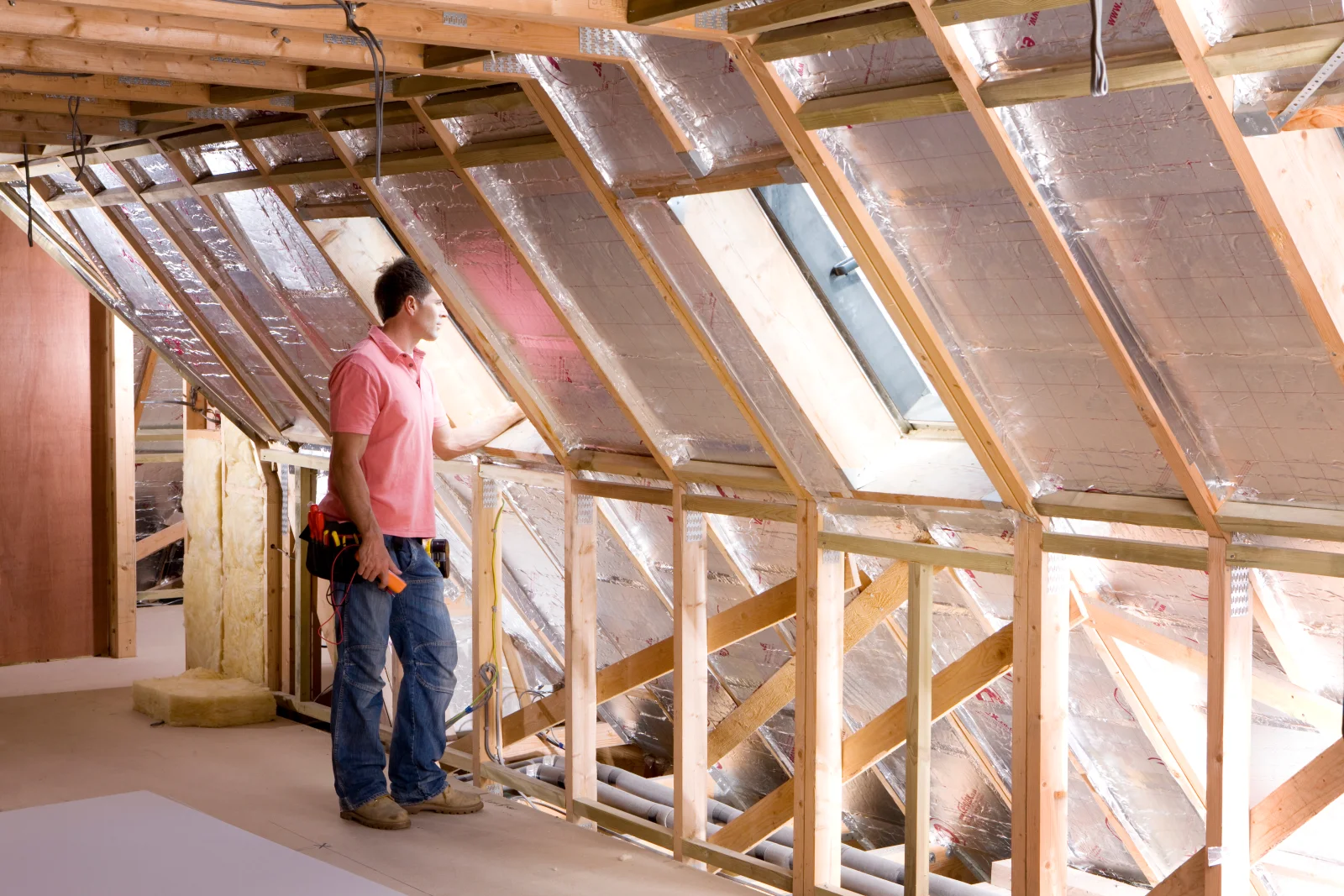
Will It Pull Conditioned Air Out of Your House?
It's a fair question homeowners ask, and the honest answer is: only if the attic floor isn't properly sealed from the living space below. A fan needs enough passive intake, soffit or eave vents, to match what it exhausts.
Without enough intake, the fan can depressurize the attic and pull cooled air up through can lights, the attic hatch, or gaps around ductwork instead of pulling in outside air, which drives your cooling bill up instead of down.
That's why checking intake ventilation and the attic air barrier is part of a proper installation, not an afterthought. Your electrician confirms the attic has enough intake before the fan ever goes in, so it works the way it's supposed to.
Why Phoenix Attics Need This More Than Most
Between the direct summer sun and the dark shingle roofs common in neighborhoods like Ahwatukee, Laveen, and around South Mountain, Phoenix attics run hotter, longer, than almost anywhere else in the country, often 40 to 50 degrees above the outdoor air temperature by mid-afternoon.
Homes near Desert Ridge and North Phoenix with tile roofing get a bit more of a break since tile vents heat better than composition shingle, but every attic in the Valley, from the West Valley along I-17 out to the East Valley near Loop 101, benefits from active exhaust once summer sets in.
Monsoon season adds a second problem: humidity spikes trap moisture in an already-hot attic, which is exactly when a humidistat-controlled fan earns its keep by clearing that moisture before it becomes a mold problem in your insulation.
Permits and Electrical Code in Phoenix
Installing a new attic fan on a new or upgraded circuit generally requires a City of Phoenix residential electrical permit. Replacing an existing fan on its existing circuit typically does not.
Your ShowUp Promise electrician tells you which category your job falls into and pulls any required permit as part of the work. If your property is in Scottsdale, Tempe, Mesa, Chandler, Gilbert, or Glendale, each city runs its own building department with its own permitting rules.
Because attic temperatures here regularly cross into dangerous territory for anyone working overhead, most attic electrical work gets scheduled for early morning, in line with OSHA heat-exposure guidance for anyone working in an enclosed, poorly ventilated attic during the hottest part of the day.
What Attic Fan Installation Costs in Phoenix
A hardwired fan installed on an existing, accessible circuit typically runs $350 to $650. Running a new dedicated circuit from the panel, common in older Phoenix homes, usually brings the total to $600 to $1,100, including the thermostat or humidistat control.
A solar-powered fan avoids most of the wiring labor since it needs no house circuit, commonly running $450 to $900 installed, including roof flashing done correctly. Every ShowUp Promise electrician gives you an itemized, upfront price before any work starts, no surprises once the job is underway.
Serving Phoenix and the Whole Valley
ShowUp Promise matches homeowners with electricians across Phoenix and the wider Valley, including Ahwatukee, Laveen, Desert Ridge, North Phoenix, Scottsdale, Tempe, Mesa, Chandler, and Gilbert. Wherever your attic is baking, there's likely a vetted pro nearby ready to fix it.
Need an emergency electrician right away, or other electrical work alongside your attic fan install? Our network also handles electrical panel replacement, GFCI outlet installation, surge protector installation, ceiling fan repair, recessed lighting installation, smoke detector repair, a licensed electrical contractor, general electric service, and Level 2 EV charger installation. You can also browse all of our trusted contractors in Phoenix in one place.
The ShowUp Guarantee
Every electrician in the ShowUp Promise network is vetted, licensed, insured, and background-checked before they ever reach your property. You approve the price before work starts, and if a pro doesn't show, you don't pay, the system reassigns your job to the next available verified pro instead.
Attic Fan Installation Phoenix FAQ
How Much Does Attic Fan Installation Cost in Phoenix?
Solar or Hardwired, Which Attic Fan Is Better for a Phoenix Home?
Will an Attic Fan Installation Pull Conditioned Air Out of My House?
Do I Need a Permit for Attic Fan Installation in Phoenix?
Does an Attic Fan Need Its Own Electrical Circuit?
How Long Does Attic Fan Installation Take?
Get Your Phoenix Attic Fan Installed Right
Tell us about your attic, then match with a vetted, licensed, insured Phoenix electrician who wires it to code, sets it up correctly, and shows up when they say they will.