Surge Protector Installation in Phoenix
Surge protector installation in Phoenix is one of the cheapest upgrades that protects the most expensive things in your house, since every monsoon season brings lightning-heavy storms and haboobs that can send a damaging voltage spike straight into your electrical panel.
Tell us about your home and get connected with a background-checked Phoenix electrician who can install a whole-house surge protective device sized and grounded correctly at your panel.
No app to download. Works right in your browser.
ShowUp Guarantee, no-show means no pay.
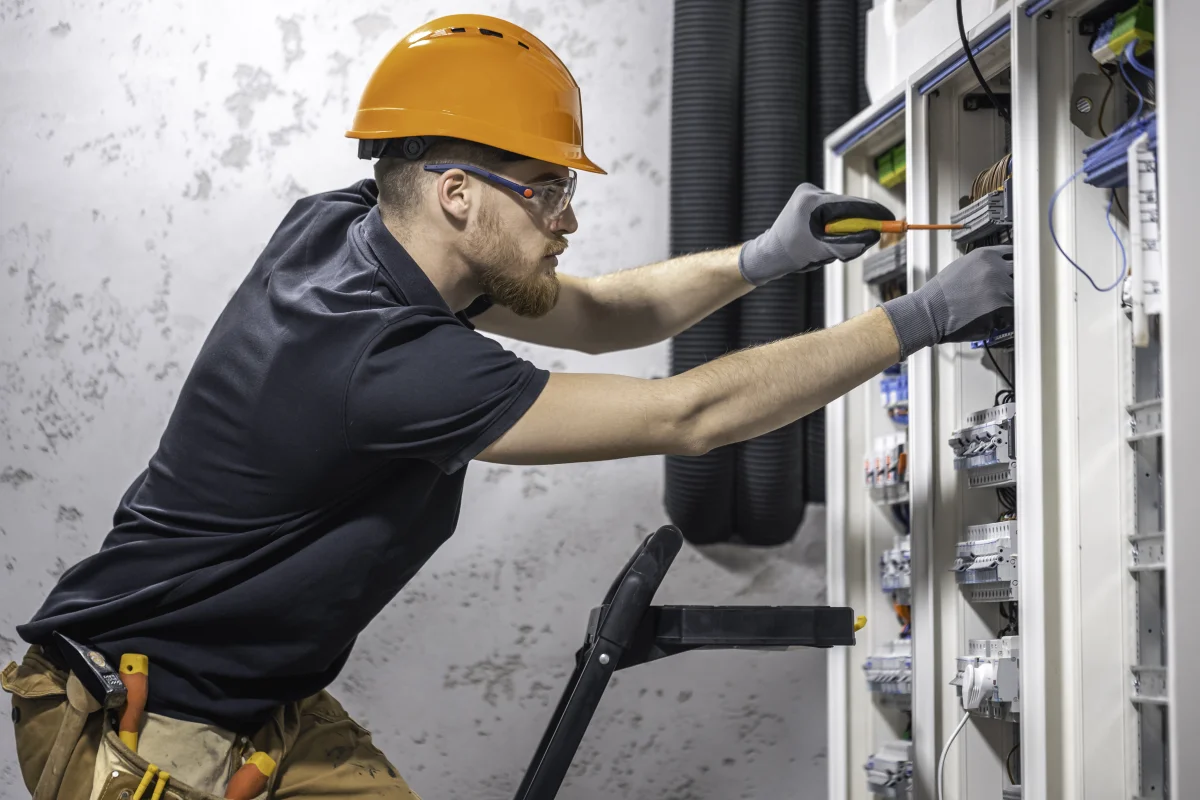
Why Monsoon Season Makes This a Phoenix Priority
Phoenix does not get the year-round thunderstorm activity of the Southeast, but the North American Monsoon more than makes up for it every summer. Roughly mid-June through September, the Valley sees some of the most electrically intense storms in the country, including haboob dust storms that roll in fast and carry serious lightning along with high wind, exactly the kind of event that puts real strain on a home's electrical system.
A lightning strike does not have to hit your house directly to cause damage. A strike on a nearby power line or utility equipment blocks away can send a surge of excess voltage down the grid and into your home's wiring in a fraction of a second, long before a standard circuit breaker can react. Add in switching surges and demand spikes during extreme summer AC load, and Phoenix homes deal with surge risk that is seasonal and recurring, not a rare fluke.
ShowUp Promise matches you with a vetted, licensed, insured, background-checked electrician who installs a whole-house surge protective device sized and grounded correctly for your panel, and if they do not show, the ShowUp Guarantee means you do not pay.
What a Whole-House Surge Protector Installation Covers
A whole-house surge protective device (SPD) installs directly at your main electrical panel, catching a damaging spike before it can travel through your home's wiring to your appliances and electronics. A typical installation covers:
- Selecting a Type 1 or Type 2 SPD rated for your panel's amperage and the surge current level your home needs
- Wiring the device to a dedicated breaker at the main panel so it can react the instant a surge enters the system
- Confirming a solid grounding and bonding connection so surge energy has a safe path away from your wiring
- Adding a second SPD at a sub-panel when your home has one, for layered whole-property protection
- Verifying the install meets current NEC and local jurisdiction code requirements
- A final test and walkthrough of the device's status indicator so you know when it needs replacing
The Panel Assessment Comes First
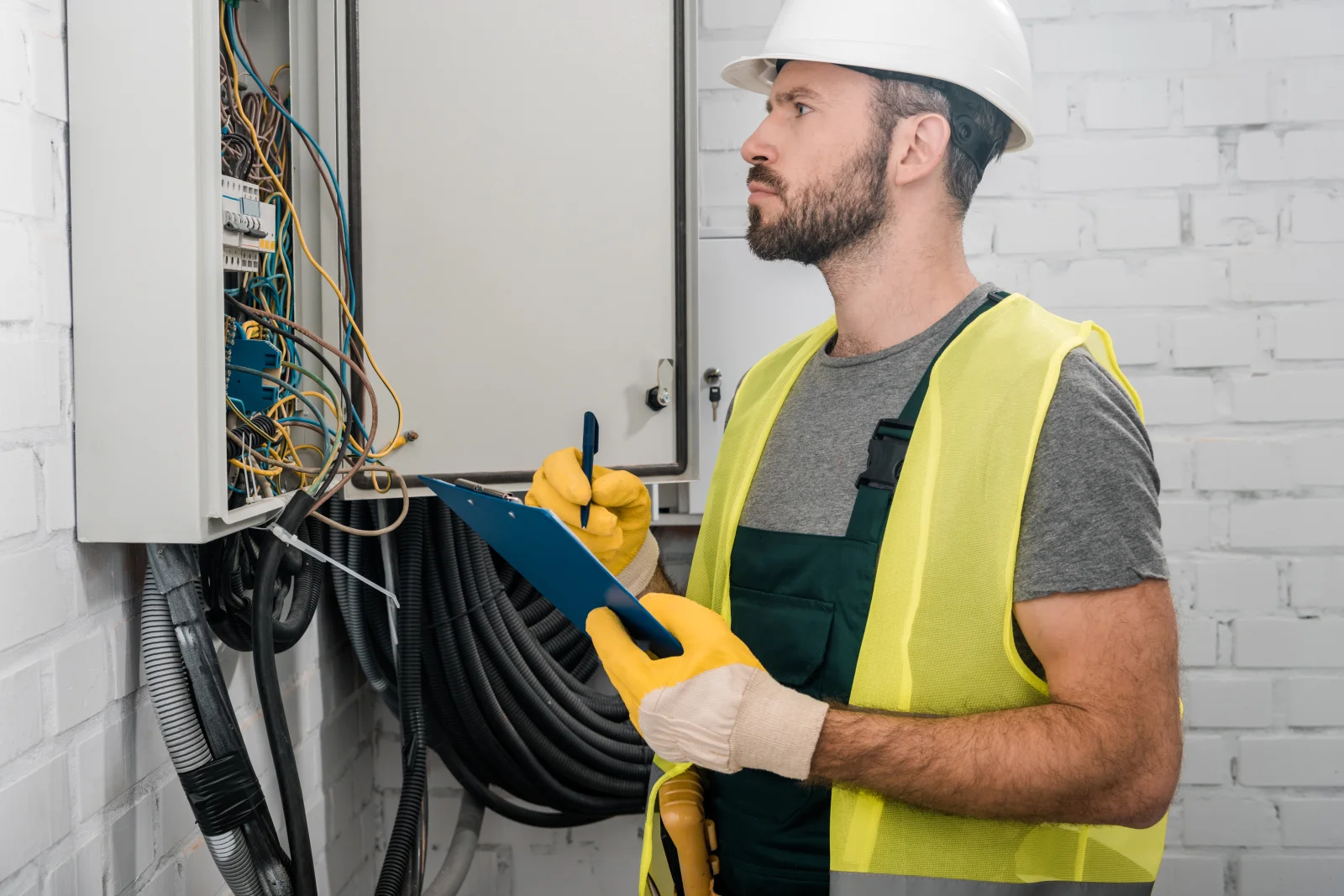
Before any surge protector goes in, your electrician opens the panel and inspects the wiring, breaker capacity, and existing grounding and bonding setup. This step matters more than most homeowners realize, an SPD is only as effective as the ground path it relies on to redirect surge energy away from your home's circuits.
Older Phoenix homes with an aging panel sometimes need a grounding upgrade or a breaker slot cleared before the SPD goes in. Your electrician flags anything like this during the assessment, not mid-installation, so there are no surprise change orders once the panel is already open.
This is also when your electrician confirms your panel's amperage and total electrical load, which determines the right surge current rating for your specific home rather than a one-size-fits-all device.
Whole-House vs. Point-of-Use, Why You Need Both
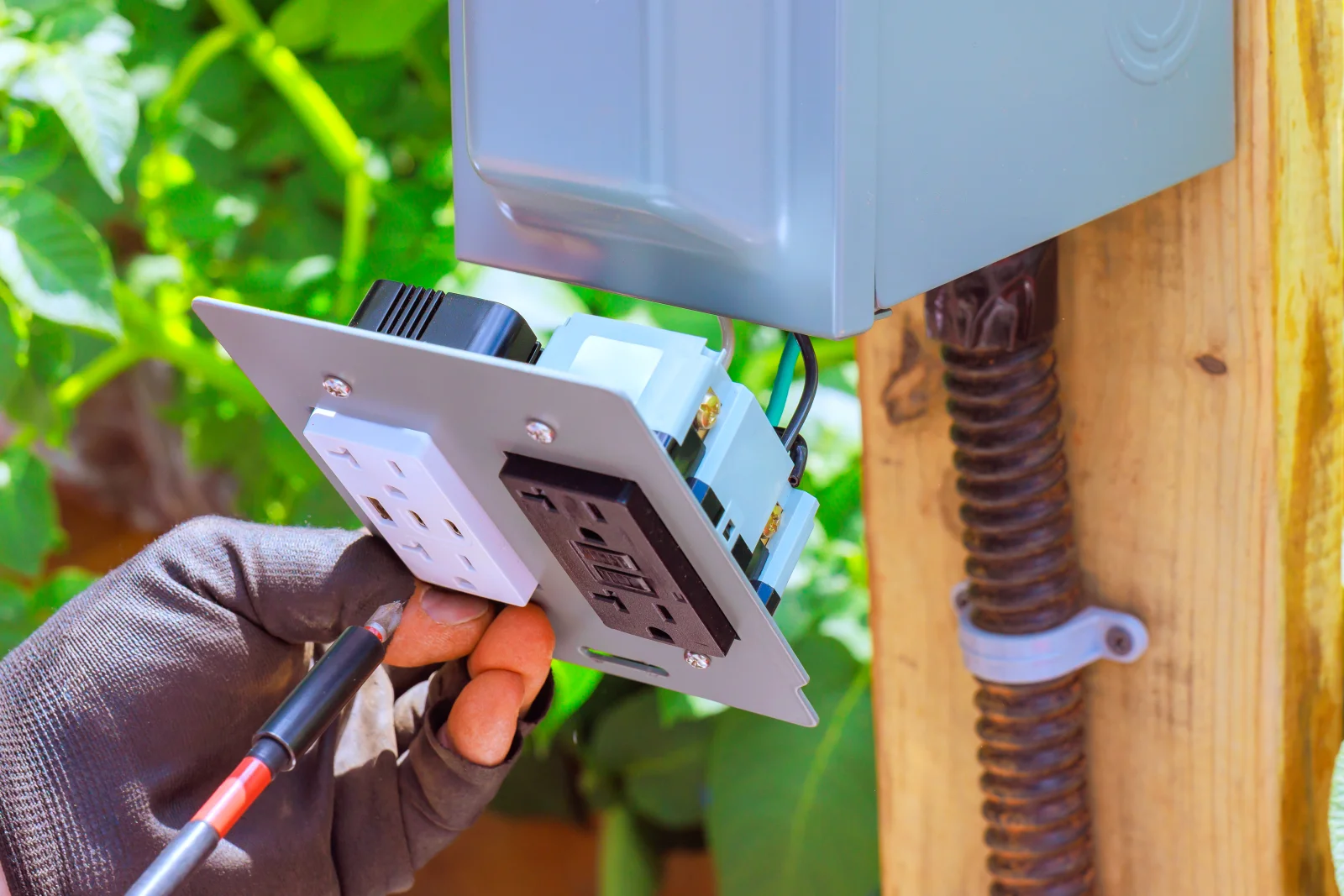
A whole-house SPD at your main panel is your first line of defense, catching large external surges , a nearby lightning strike, a utility switching event, a grid disturbance, before that spike travels any further into your home's wiring. It protects everything downstream at once: your HVAC system, major appliances, and every outlet in the house.
A point-of-use power strip plugs in at the outlet and protects only what is connected to it, but it also catches smaller surges that originate inside your own home, like your AC compressor or refrigerator cycling on and off. Those small internal surges happen far more often than lightning strikes and quietly degrade unprotected electronics over time.
Electricians recommend layering both rather than choosing one. A whole-house SPD is not a replacement for the power strip protecting your TV, computer, or home office equipment, the panel-level device absorbs the big hits, and the point-of-use strip handles what gets through and what starts locally.
How Surge Protector Installation Actually Works
Once the panel assessment confirms everything is ready, your electrician shuts off power at the main breaker and wires the SPD to a dedicated breaker slot, positioned so it can intercept a surge the instant it enters your electrical system. Every connection gets torqued to spec, since a loose connection at the panel is one of the more common reasons a surge protector underperforms.
Grounding and bonding come next, the SPD needs a clean, low-resistance path to ground so it can safely redirect excess voltage away from your wiring instead of your appliances. If your home has a sub-panel serving a workshop, garage, or addition, your electrician may recommend a second SPD there too.
Once wired and grounded, the device gets powered up and tested, and your electrician walks you through the status indicator light so you know at a glance whether it still needs replacing after a major surge event. A straightforward installation at an accessible panel typically wraps up in one to two hours.
What Surge Protector Installation Costs in Phoenix
Most Phoenix homeowners pay somewhere between $300 and $800 for a fully installed whole-house surge protective device, with equipment typically running $85 to $250 or more depending on the surge current rating, and labor adding another $150 to $350 for a straightforward one- to two-hour install at an accessible panel.
Surge current rating is the biggest driver of equipment cost. The industry sets a 40 kA minimum for whole-house devices, but many Phoenix electricians install units rated 80 kA or higher given how often monsoon storms roll through the Valley, a higher rating costs more upfront but handles repeated surge events without degrading as quickly. A panel needing a grounding upgrade or extra breaker capacity will also add to the total.
With ShowUp Promise you see an upfront, itemized price and approve it before your electrician opens your panel, so there are no surprise add-ons once the device is already wired in.
Serving Phoenix and the Whole Valley
ShowUp Promise matches homeowners with electricians across Phoenix and the wider Valley, including Mesa, Scottsdale, Paradise Valley, Chandler, Tempe, Gilbert, Glendale, Peoria, Surprise, and Goodyear. Wherever your home is, there is likely a vetted pro nearby ready to install a surge protector built for your panel and your household's electronics.
A surge protector is also a natural add-on if you are already scheduling an electrical panel replacement, since the panel is already open and the SPD can be wired in during the same visit. Our network also handles other electrical needs Phoenix homeowners run into, like electrical contractor, emergency electrician, electric service, commercial electrical contracting, Level 2 EV charger installation, and smoke detector repair. You can also browse all of our trusted contractors in Phoenix in one place.
The ShowUp Guarantee
Every electrician in the ShowUp Promise network is vetted, licensed, insured, and background-checked before they ever reach your door. You approve the price before work starts, and if a pro does not show, you do not pay, the system reassigns your job to the next available verified pro instead.
Arizona's monsoon season brings some of the highest lightning-strike activity in the country, according to the National Weather Service's lightning safety guidance. For more on how monsoon storms behave in the Southwest, including the wind and lightning risk that come with haboob dust storms, see the NWS's lightning safety and outdoor risk resources. A properly installed, correctly grounded whole-house surge protector is the most reliable way to keep a Phoenix home's electronics and appliances safe through every monsoon season.
Surge Protector Installation Phoenix FAQ
Does Phoenix Really Get Enough Lightning to Need Surge Protection?
What Is the Difference Between a Whole-House Surge Protector and a Power Strip?
What Does a Whole-House Surge Protector Actually Protect?
Does Phoenix Require a Surge Protector on New Electrical Panels?
How Much Does Whole-House Surge Protector Installation Cost in Phoenix?
Where Does a Whole-House Surge Protector Get Installed, and How Long Does It Take?
Get a Surge Protector Installed at Your Phoenix Home
Tell us about your home, then match with a vetted, licensed, insured Phoenix electrician who sizes the device right, grounds it correctly, and shows up when they say they will.