Trenchless Sewer Repair in Phoenix
Trenchless sewer repair in Phoenix means your damaged line gets relined or replaced without a torn-up yard, a broken driveway, or a week of waiting, a camera inspection confirms the damage first, then a CIPP liner or pipe-bursting head does the rest through one or two small access points instead of a trench across your property.
Tell us what's going on with your line and get matched with a background-checked Phoenix plumber who scopes it on camera and gives you a real trenchless-or-not answer.
No app to download. Works right in your browser.
ShowUp Guarantee, no-show means no pay.
Upfront pricing before any access pit gets dug.
Why Phoenix Homeowners Choose Trenchless Sewer Repair
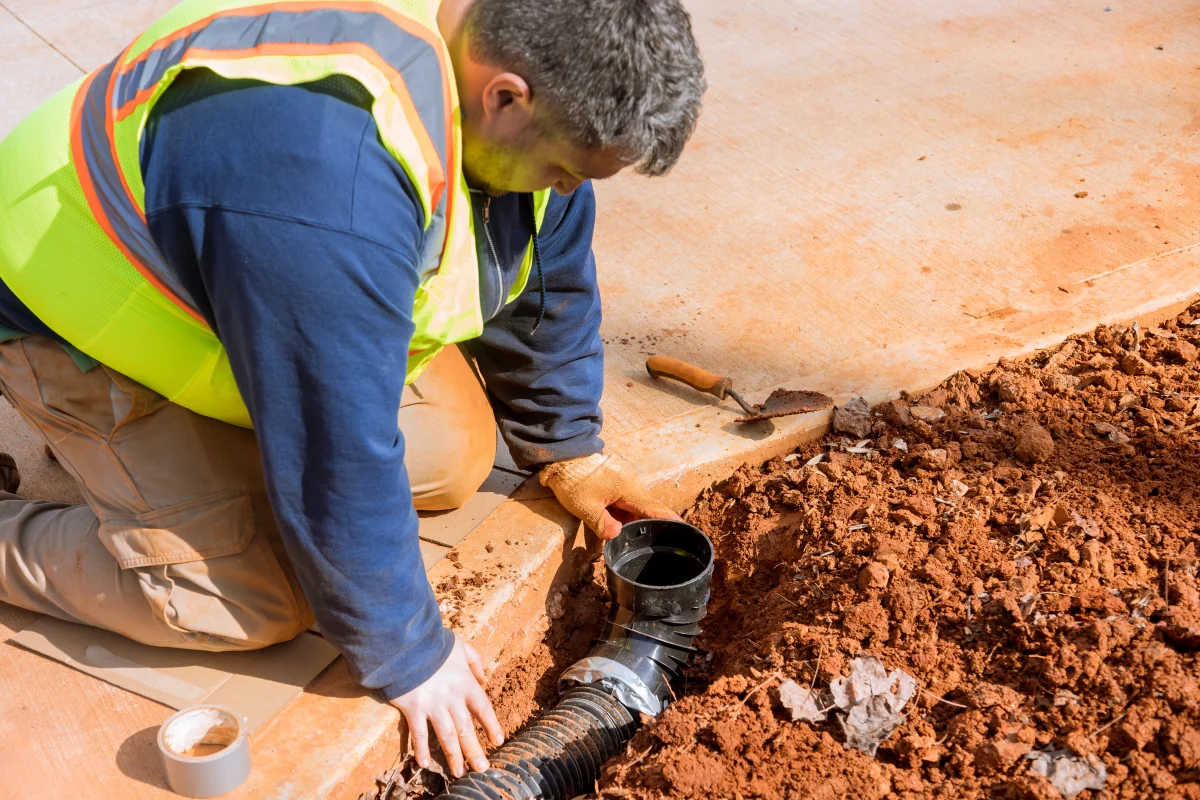
Trenchless sewer repair exists because the traditional fix, trenching the length of your yard, tearing out a driveway or patio, then repouring and relandscaping, is expensive and slow even when the pipe damage itself is a straightforward fix.
A CIPP liner or pipe-bursting head lets a licensed plumber repair or replace the line underground through one or two small access points, so a job that used to take a week and wreck your landscaping is often done start to finish in a matter of days.
ShowUp Promise matches you with a vetted, licensed, insured, background-checked Phoenix plumber who runs a camera inspection first, gives you a firm price before any digging starts, and if they do not show up, the ShowUp Guarantee means you do not pay.
Signs You Need Trenchless Sewer Repair
A trenchless repair call in Phoenix usually traces back to one of these:
- Recurring sewer backups or slow drains that keep coming back after snaking
- A sewer scope inspection turned up root intrusion, a bellied section, or cracked clay or Orangeburg pipe
- Sewage odor in the yard, or a consistently soggy patch of lawn with no other explanation
- A home built before the 1980s that has never had its original sewer line relined or replaced
- Wanting to avoid tearing out a driveway, patio, or mature landscaping to fix the line
- A home inspection or escrow requirement flagged the sewer line before closing
- More than one plumber has snaked the same clog spot in the past year without a lasting fix
Why Older Phoenix Neighborhoods See More Line Failures
Homes in Central Phoenix districts like Encanto-Palmcroft, Willo, Coronado, and Windsor Square were mostly plumbed before the 1960s with clay or Orangeburg (tar-paper) sewer pipe, materials that were standard at the time but crack, sag, or separate at the joints after 60 to 90 years in Phoenix's expansive clay and caliche soil.
Mature street and yard trees along Central Avenue, 7th Street, and 7th Avenue, plus the ficus and ash trees planted throughout Encanto and Willo decades ago, send roots toward any moisture they can find, a hairline gap in an old clay joint is exactly that, which is why root intrusion is one of the most common problems a Phoenix trenchless crew finds on camera. In Arcadia, the neighborhood's decades-old citrus groves add their own aggressive root systems into the mix.
Homes built from the 1970s on, out toward Ahwatukee, Desert Ridge, and along the Loop 202 corridor, are almost always PVC, which holds up far better against soil movement and roots , so trenchless calls in those areas are more often about a single damaged section than a line that has failed end to end.
How Trenchless Sewer Repair Actually Works
Every job starts with a fiber-optic camera run the full length of your line, so your plumber can see exactly where the damage is and confirm the line is actually a trenchless candidate before anyone digs.
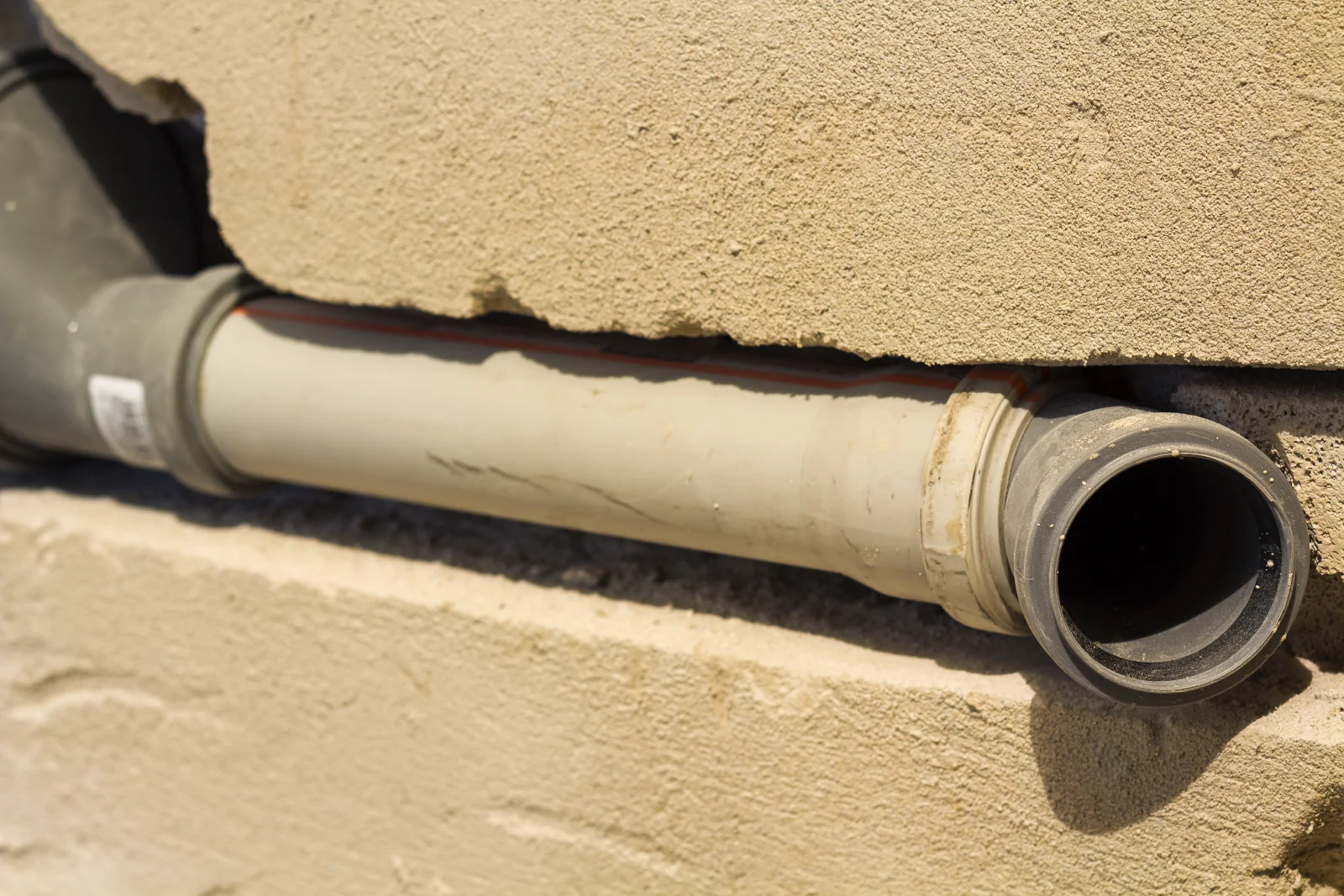
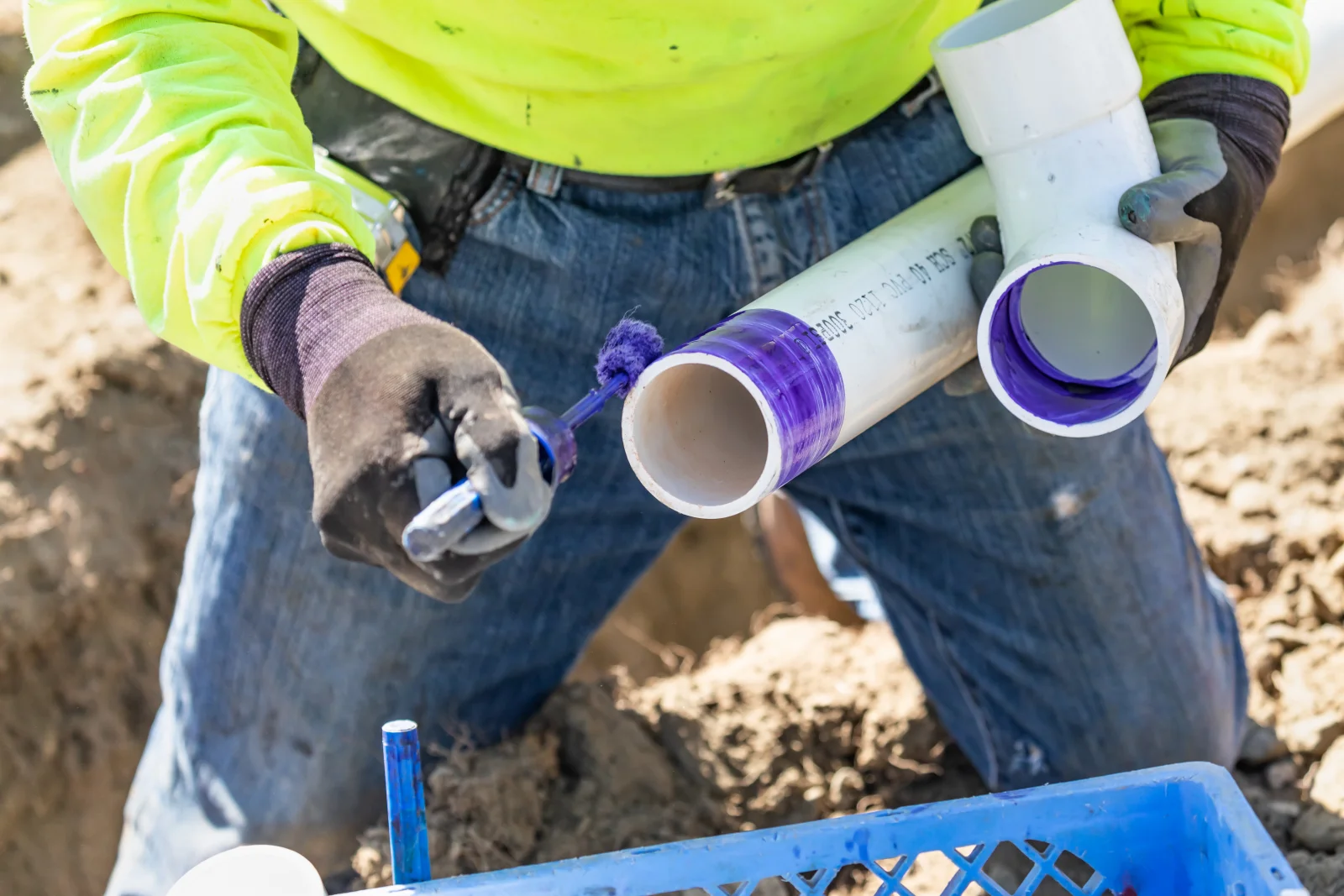
From there it's one of two methods: CIPP lining feeds a resin-saturated liner through a single access point and cures it in place to form a new pipe inside the old one, while pipe bursting pulls a new HDPE pipe through the old one as a bursting head fractures the old material outward into the surrounding soil. Both need only one or two small access pits, not a trench.
Trenchless is not the answer for every line, a fully collapsed pipe, severe bellies, or a needed grade change still call for traditional excavation. Your ShowUp Promise plumber tells you which situation you're in before recommending either approach.
How Fast It Happens, and What Stays Untouched
Most trenchless jobs in Phoenix run one to three days once the camera inspection and permit are squared away, compared to about a week or more for a traditional dig that has to trench, replace, backfill, and then repair whatever sat on top of the line.
Because the work happens through one or two small access pits instead of a trench the length of your yard, your driveway, patio, mature landscaping, and irrigation lines generally stay exactly where they are, no repouring concrete, no replanting a xeriscape bed you spent years growing in.
That's the main reason homeowners in established neighborhoods with mature landscaping ask for trenchless repair by name instead of accepting whatever method a plumber defaults to.
What Trenchless Sewer Repair Costs in Phoenix
Trenchless sewer repair in the Phoenix area typically runs $3,500 to $8,500, whether the job calls for CIPP lining or pipe bursting, driven mainly by the line's length, depth, and how many access points the crew needs.
Traditional dig-and-replace can look cheaper on the repair line item alone, but once you add back repouring a driveway or patio and replacing mature landscaping, trenchless is usually the better total cost, and it avoids the multi-week timeline that comes with a full trench.
With ShowUp Promise you get the camera inspection and a firm, itemized price before any access pit gets dug, not a number that grows once the ground is open.
Serving Phoenix and the Whole Valley
ShowUp Promise matches homeowners with trenchless sewer repair pros across Phoenix and the wider Valley, including Encanto-Palmcroft, Willo, Coronado, Windsor Square, Arcadia, Sunnyslope, Maryvale, Ahwatukee, Desert Ridge, Scottsdale, Tempe, Mesa, Chandler, and Gilbert. Wherever your home sits along Central Avenue, the I-17, SR-51, or Loop 202 corridor, there is likely a vetted pro nearby who runs trenchless repairs for Phoenix homes every week.
Dealing with more than just a sewer line? The same network covers sewer scope inspections, emergency plumbing, hydro jetting, burst pipe repair, septic pumping, toilet repair, toilet replacement, faucet repair, water softener repair, water softener installation, well pump repair, grease trap cleaning, solar water heater service, tankless water heater installation, and general Phoenix plumbing services. You can also browse all of our trusted contractors in Phoenix in one place.
The ShowUp Guarantee
Every trenchless sewer repair pro in the ShowUp Promise network is vetted, licensed, insured, and background-checked before they ever reach your door. You approve the price before work starts, and if a pro does not show, you do not pay, the system automatically works to reassign your job to the next available verified pro so your repair is never left waiting.
Trenchless Sewer Repair Phoenix FAQ
How Much Does Trenchless Sewer Repair Cost in Phoenix?
What's the Difference Between CIPP Lining and Pipe Bursting?
How Long Does Trenchless Sewer Repair Take?
Will Trenchless Sewer Repair Tear Up My Yard or Driveway?
When Is Trenchless Sewer Repair NOT an Option?
Do I Need a Permit for Trenchless Sewer Repair in Phoenix?
How Do I Know if Trenchless Repair Will Actually Work for My Pipe?
Get Your Phoenix Sewer Line Fixed the No-Dig Way
Match with a vetted, licensed, insured Phoenix plumber who scopes your line on camera and gives you a real trenchless-or-not answer, not a guess.