Water Softener Installation in Phoenix
Water softener installation in Phoenix is one of the highest-impact upgrades a Valley homeowner can make, since the city's water routinely tests as "very hard", get matched with a vetted, licensed, insured plumber who sizes and installs the right system the first time.
Tell us about your home and get connected with a background-checked Phoenix plumber who knows exactly what your household's hardness level and fixture count call for.
No app to download. Works right in your browser.
ShowUp Guarantee, no-show means no pay.
Why Phoenix Water Is So Hard
Phoenix tap water is drawn from two main sources, the Salt River Project canal network, which carries Salt and Verde River water, and the Central Arizona Project aqueduct, which delivers Colorado River water across the desert. Both routes cross mineral-rich watersheds and desert geology before they ever reach a treatment plant, and that journey is where the calcium and magnesium come from.
By the time it reaches your home, Phoenix water commonly tests between roughly 12 and 20 grains per gallon, which is well into "very hard" territory on the standard USGS scale, anything above about 10.5 grains per gallon earns that label. You can confirm current levels for your address through the City of Phoenix Water Services water quality reports, which are published every year.
ShowUp Promise replaces the guesswork of picking a system yourself: tell us about your home and we match you with a vetted, licensed, insured, background-checked plumber near you, and if they do not show, the ShowUp Guarantee means you do not pay.
What Hard Water Is Actually Doing to Your Home
Hardness is not just a cosmetic nuisance, the dissolved minerals in untreated Phoenix water build up everywhere hot water flows or sits, and that scale shortens the life of things that are expensive to replace. A whole-house softener installation addresses:
- Water heaters, where scale coats the heating element and tank, cutting efficiency and lifespan
- Faucets, showerheads, and fixtures, where mineral deposits clog aerators and reduce flow over time
- Dishwashers and washing machines, where hard water leaves spots, film, and extra wear on internal parts
- Pipes, where scale narrows the interior diameter and reduces water pressure over the years
- Soap and detergent performance, since hard water reacts with soap and needs more of it to lather
- Skin, hair, and laundry, which is why clothes and towels often feel scratchy or look dull in Phoenix
How Water Softener Installation Actually Works
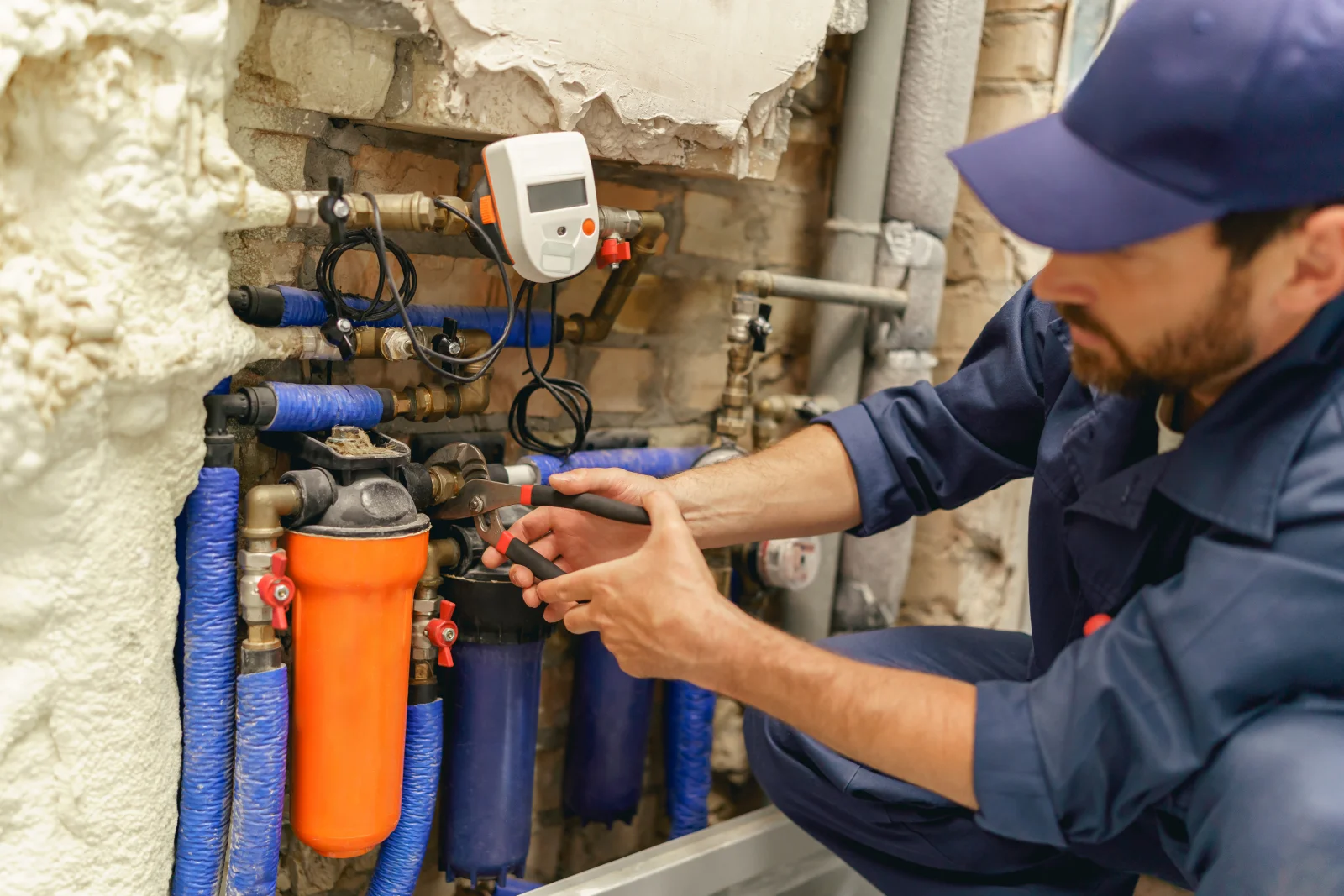
Installation starts where your main water line enters the house, ahead of your water heater so softened water feeds every hot-water fixture. Your plumber cuts in a bypass valve, connects the softener's resin tank and brine tank, and routes a drain line for the system's regeneration cycle.
Every fitting has to be sealed correctly and pressure-tested before the system is put into service , a rushed connection is the most common reason a new softener develops a slow leak within the first few months. This is also when your plumber confirms your home's actual water pressure and hardness level against the unit's rated capacity.
Once everything is connected, the control head gets programmed with your household's hardness reading and usage pattern, so the system regenerates on the right schedule instead of wasting salt and water. A straightforward install typically takes two to four hours from shutoff to first test run.
Choosing the Right System for Your Household
Sizing a softener means matching its grain capacity to both your household's water use and your local hardness level, so it regenerates on a reasonable schedule instead of running dry between cycles. Most one- to two-person Phoenix homes land in the 24,000 to 32,000-grain range, three- to four-person households usually need 32,000 to 48,000 grains, and larger households often call for 64,000 grains or more.
You also have a real choice between system types. Salt-based ion-exchange softeners physically remove calcium and magnesium and remain the most reliable option at Phoenix's typical 13 to 20 grain-per-gallon hardness. Salt-free conditioners alter mineral structure instead of removing it, which can reduce visible scale, but most manufacturers rate them for moderate hardness and they tend to struggle well past 15 grains per gallon, a level a lot of Phoenix water already exceeds.
A plumber matched through ShowUp Promise will test your actual water, confirm your fixture count and daily usage, and recommend a grain capacity and system type sized to your real numbers instead of a generic estimate.
What Water Softener Installation Costs in Phoenix
Most Phoenix homeowners pay somewhere between $1,800 and $5,500 for a fully installed whole-house system, with a lot of standard salt-based installs landing near $2,400 to $3,800 once the equipment, a licensed plumber's labor, and a proper bypass and drain line are all included.
Labor for a straightforward two- to four-hour installation typically runs a few hundred dollars, with the equipment itself the bigger swing, grain capacity, dual-tank setups, and smart features all move the price. Salt-free conditioners tend to cost less upfront but are not always the right fit for Phoenix's hardness level, so the cheaper option is not automatically the better one.
With ShowUp Promise you see an upfront, itemized price and approve it before your plumber starts any work, so there are no surprise add-ons once the system is already cut into your water line.
Keeping Your System Running Right
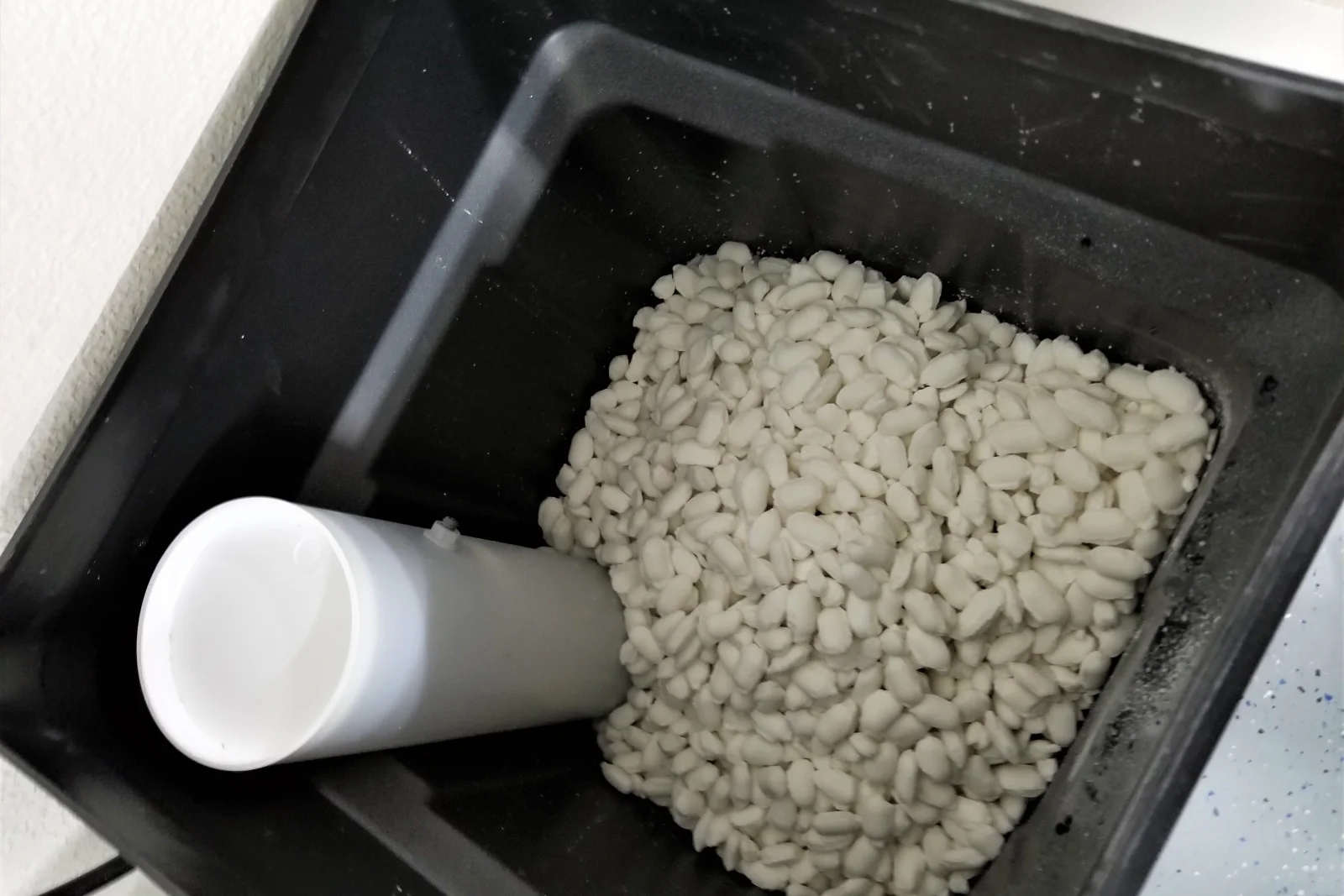
A salt-based softener needs its brine tank refilled with softener salt roughly every one to two months for an average household, though a larger family or a higher local hardness reading shortens that interval. Letting the salt level run empty is the single most common reason a properly sized system stops removing hardness, the resin bed can only regenerate if there is brine to regenerate with.
Beyond salt, plan on an annual check of the resin bed, control valve, and regeneration settings, plus keeping an eye out for salt bridging, a hardened crust that can form above the waterline in the brine tank and quietly stop regeneration even when the tank looks full.
Phoenix's Water Services department and many HOAs also monitor softener discharge under drought and wastewater guidelines, so a licensed installer will make sure your drain line and regeneration schedule meet current local requirements from day one.
Serving Phoenix and the Whole Valley
ShowUp Promise matches homeowners with plumbers across Phoenix and the wider Valley, including Mesa, Scottsdale, Paradise Valley, Chandler, Tempe, Gilbert, Glendale, Peoria, Surprise, and Goodyear. Wherever your home is, there is likely a vetted pro nearby ready to size and install a system built for your water.
Already have a softener that is not regenerating right, or leaving hard-water spots again? Our network also handles grease trap cleaning, plus other plumbing needs Phoenix homeowners run into, like water softener repair, solar water heater service, septic pumping, burst pipe repair, toilet repair, well pump repair, emergency plumbing, and hydro-jetting. You can also browse all of our trusted contractors in Phoenix in one place.
The ShowUp Guarantee
Every plumber in the ShowUp Promise network is vetted, licensed, insured, and background-checked before they ever reach your door. You approve the price before work starts, and if a pro does not show, you do not pay, the system reassigns your job to the next available verified pro instead.
Water hardness is classified under the EPA's secondary drinking water standards, which cover aesthetic and nuisance effects rather than health-based limits, meaning hard water is safe to drink, but it is still the reason for the scale, spotting, and appliance wear a softener is built to solve.
Water Softener Installation Phoenix FAQ
How Hard Is Phoenix Water, and Do I Really Need a Softener?
What Size Water Softener Do I Need for My Phoenix Home?
Salt-Based vs. Salt-Free, Which Is Right for Phoenix's Water?
How Much Does Water Softener Installation Cost in Phoenix?
Do I Need a Permit to Install a Water Softener in Phoenix?
How Much Maintenance Does a Water Softener Need?
Get a Water Softener Installed at Your Phoenix Home
Tell us about your home, then match with a vetted, licensed, insured Phoenix plumber who sizes the system right, installs it correctly, and shows up when they say they will.