Water Softener Repair in Phoenix
Water softener repair in Phoenix should be fast and done right the first time, vetted, licensed, insured pros for failed control valves, salt bridges, exhausted resin, and water that stopped going soft.
Tell us what your softener is doing and get matched with a background-checked Phoenix pro who shows up on time.
No app to download. Works right in your browser.
ShowUp Guarantee, no-show means no pay.
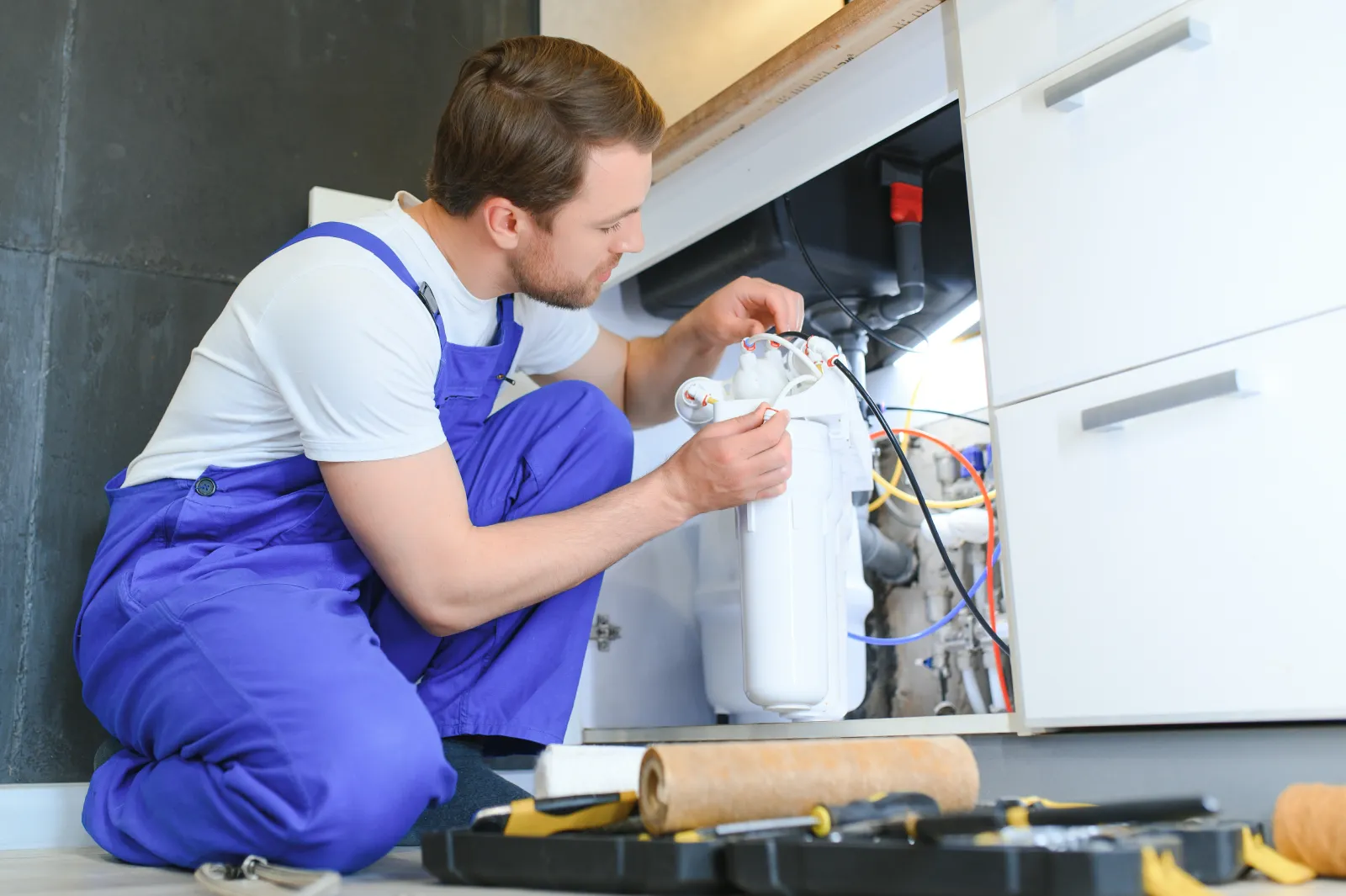
Water Softener Repair in Phoenix Done Right
When a water softener quits in Phoenix, you feel it fast, spotty dishes, stiff laundry, soap that will not lather, and scale creeping back onto every faucet. Because our water is so hard, a dead softener also lets mineral buildup start attacking your water heater, fixtures, and appliances within weeks, not months.
The trouble is that softeners are easy to misdiagnose. No soft water gets blamed on the resin when it is really a salt bridge; a unit that runs all night gets blamed on the tank when it is a stuck control valve. Cold-calling a handyman means hoping they actually work on water treatment and carry the right seal kits.
ShowUp Promise replaces that guesswork: describe what your softener is doing and we match you with a vetted, licensed, insured, background-checked water-treatment pro near you. You get a real diagnosis, an upfront price, and a pro who shows up, and if they do not, the ShowUp Guarantee means you do not pay.
The Water Softener Problems Phoenix Pros Fix Most
Most calls come down to a handful of failures. The pros in our network diagnose the real cause instead of swapping parts and hoping:
- No soft water from a salt bridge, empty brine tank, or bypass left open
- Failed control valve or timer that will not regenerate on schedule
- Exhausted or fouled resin bed after years of Phoenix hard water
- Softener stuck in regeneration, wasting salt and water down the drain
- Leaks at the bypass, valve head, or fittings, and cracked tanks
- Resin beads or a salty taste reaching the taps from a worn distributor or seal
Why Phoenix Is So Hard on Water Softeners
Phoenix has some of the hardest water in the country, the dissolved calcium and magnesium that the USGS defines as water hardness sits at the high end of the scale here. So a softener in Phoenix works far harder than the same unit would almost anywhere else: the resin cycles through more mineral load every day, which means it wears out sooner and the control valve regenerates more often and fails earlier.
Heat and salt do the rest. Garage installs bake in summer temperatures that harden brine-tank plastic and dry out valve seals, while humidity and overfilling encourage the salt bridges that quietly stop a softener from making brine at all.
A pro who services Phoenix softeners every week knows to check for salt bridges, worn valve seals, and a spent resin bed first, not the generic causes a manual assumes. That local read is what turns a vague "no soft water" complaint into a specific, one-visit fix.
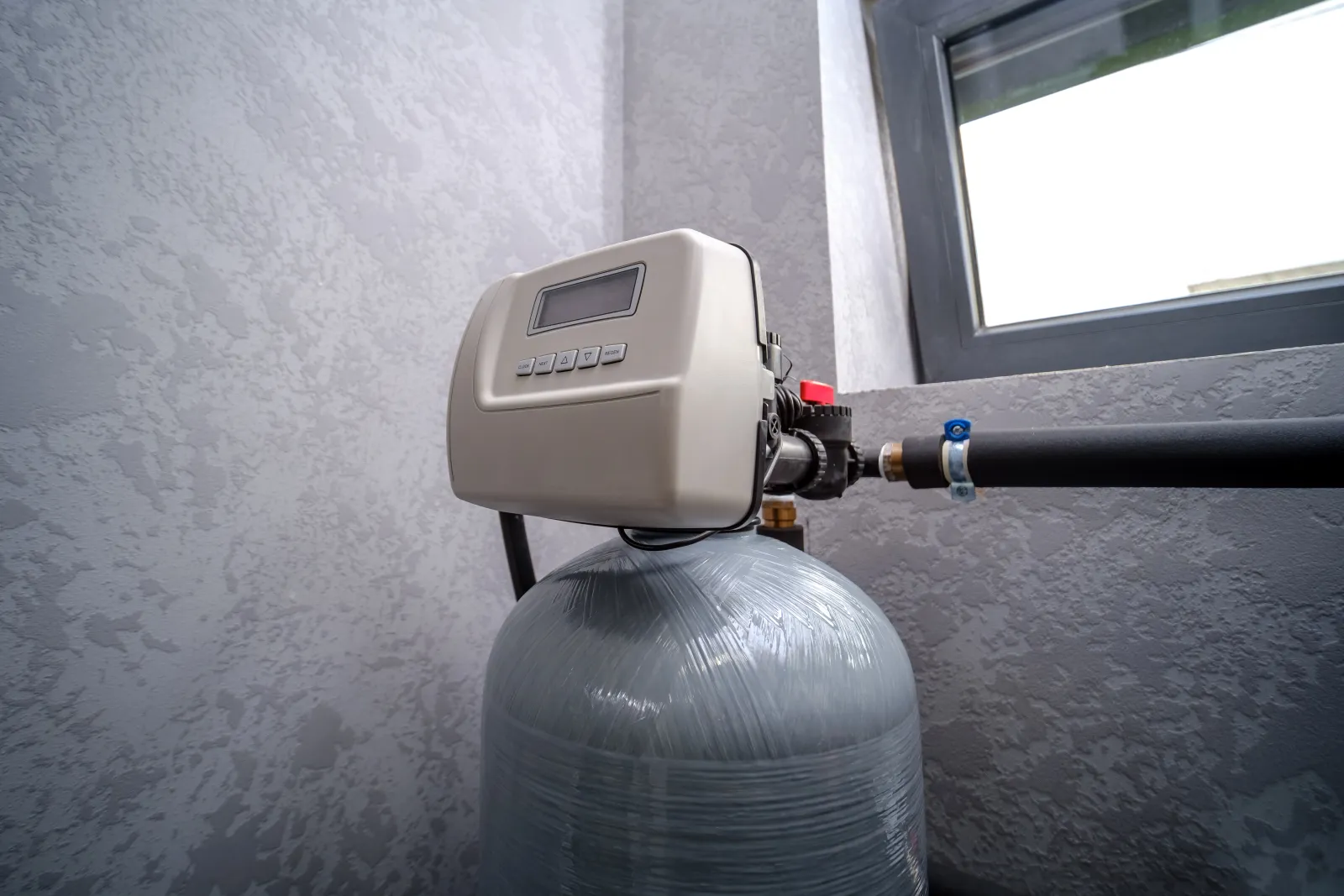
How ShowUp Promise Connects You With a Water Treatment Pro
Getting matched takes a couple of minutes. Tell us what is wrong, water that stopped going soft, a brine tank full of hard salt, a unit running all night, or beads showing up in the aerators, and we connect you with an available, vetted water-treatment pro from our network of trusted contractors in Phoenix.
You see and approve an upfront price before any work begins, pay securely in-app, and can track your pro's arrival. Because every pro is licensed, insured, and background-checked before they join, you skip the part where you wonder whether the person you called actually works on water softeners.
No app to download and no obligation to book the first quote, just a faster, safer path to a softener that protects your home instead of sending salt down the drain.
The ShowUp Guarantee
Every water-treatment pro in the ShowUp Promise network is vetted, licensed, insured, and background-checked before they ever reach your door. You approve the price before work starts, and if a pro does not show, you do not pay, the system automatically works to reassign your job to the next available verified pro so you are never left with hard water and no answer.
What Water Softener Repair Costs in Phoenix
A typical Phoenix water softener repair runs $150 to $600, with a $75 to $150 diagnostic and labor around $75 to $150 an hour. A control-valve rebuild is about $150 to $400, a new resin bed $200 to $500, and brine-tank parts $50 to $200. A full replacement is roughly $800 to $2,500 installed.
The final number tracks which part failed and how old the unit is, a salt bridge or a float is quick, while a valve rebuild or a resin swap takes longer. Because hard water shortens part life here, a small fix caught early usually beats waiting until scale reaches the water heater and appliances.
With ShowUp Promise you see an all-in price and approve it before any work begins, so there are no surprise add-ons after the job. Ask for the diagnosis and any workmanship warranty in writing so you know exactly what you are paying for.
Repair Now, Protect Your Home Later
The best time to get your softener back to full strength is before hard water damages anything else. Common fixes and upgrades that pay for themselves in a hard-water climate:
- Rebuilt control valve with fresh seals for reliable, efficient regeneration
- A resin-bed refresh that restores full softening capacity
- Correct hardness and household-size programming so it stops wasting salt
- A prefilter to keep grit and sediment out of the valve and resin
- Metered regeneration that runs only when you actually use water
- A quick water-heater flush to clear the scale a failed softener let build up
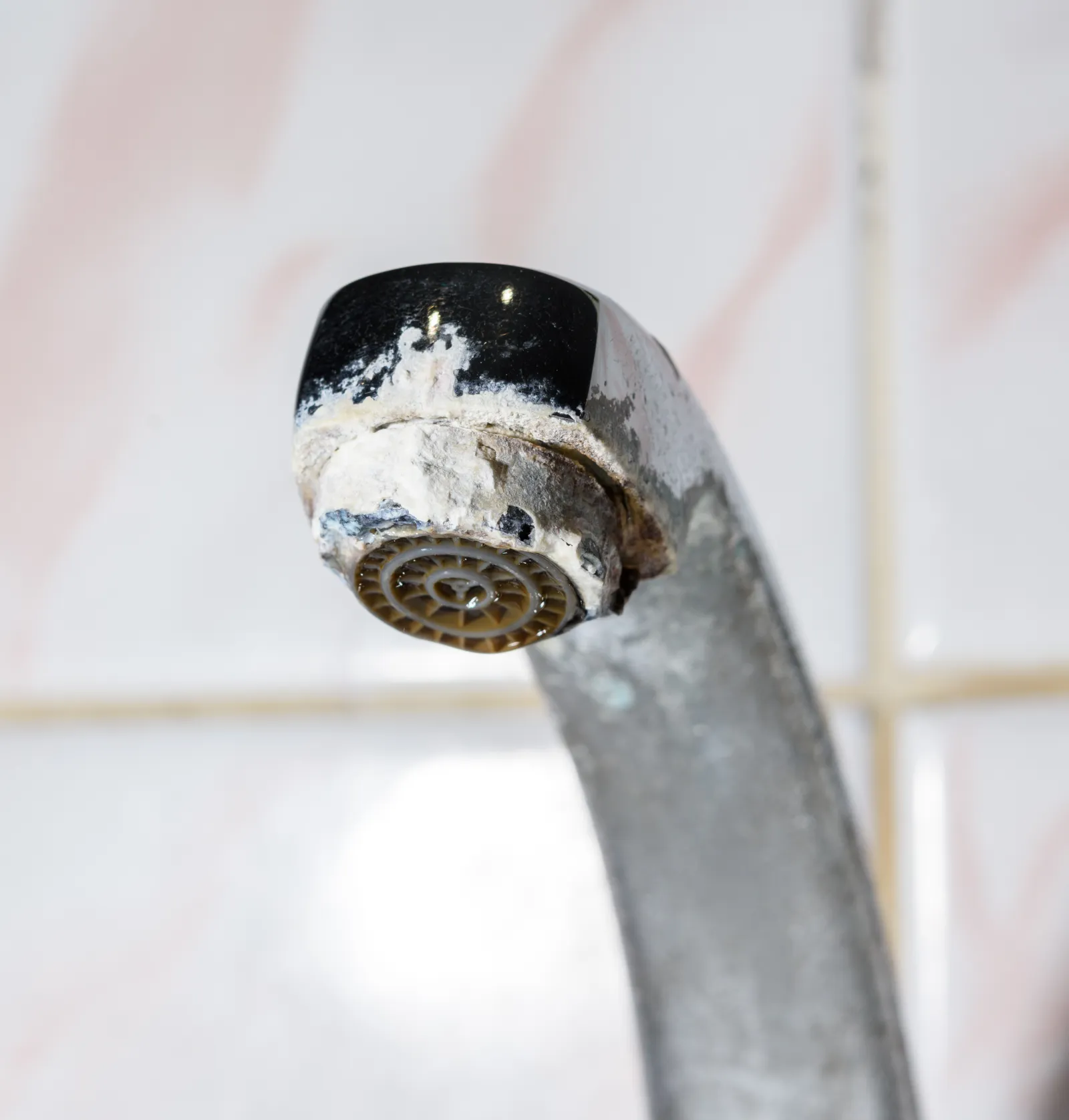
Salt, Resin, and Finding the Real Failure
Two softeners with the same "no soft water" symptom can have completely different causes, one has a salt bridge hiding an empty brine pocket, the other has a resin bed that finally wore out. Guessing wastes money on parts the unit did not need.
A good repair starts with diagnosis, not parts. The pro checks salt level and hardness at the tap, runs a manual regeneration to watch the valve cycle, inspects the brine line and float, and confirms whether the resin still has capacity before quoting anything.
Whether it is a five-minute salt-bridge clear, a valve rebuild, or a full resin swap, ShowUp Promise matches you with a vetted pro who finds the real problem and quotes it upfront, no upsell on a new system you do not need yet.
Serving Phoenix and the Whole Valley
ShowUp Promise matches homeowners with water softener and water-treatment pros across Phoenix and the wider Valley, including Mesa, Scottsdale, Paradise Valley, Chandler, Tempe, Gilbert, Glendale, Peoria, Surprise, and Goodyear. Wherever your home is, there is likely a vetted pro nearby who works hard-water systems every day.
Dealing with more than just the softener? The same network covers other home-systems jobs Phoenix homeowners need, like grease trap cleaning, septic pumping in Phoenix, ice machine repair in Phoenix, and heat exchanger repair in Phoenix. You can also browse all of our trusted contractors in Phoenix in one place.
Water Softener Repair Phoenix FAQ
How Much Does Water Softener Repair Cost in Phoenix?
Why Is My Water Softener Not Softening the Water Anymore?
What Is a Salt Bridge and How Do You Fix It?
How Long Does a Water Softener Last in Phoenix?
Why Is My Water Softener Using Too Much Salt or Running Constantly?
Should I Repair or Replace My Water Softener?
Is Phoenix Water Really Hard Enough to Need a Softener?
There Are Resin Beads or Salty Water at My Taps, Is That Bad?
How Do I Know the Repair Tech Is Licensed, Insured, and Qualified?
Get Your Phoenix Water Softener Fixed
Match with a vetted, licensed, insured Phoenix water-treatment pro who diagnoses the real problem, fixes it clean, and shows up when they say they will.