Grease Trap Cleaning in Phoenix
Grease trap cleaning in Phoenix keeps your kitchen drains flowing and your business on the right side of the City's FOG rules, get matched with a vetted, licensed, insured pro who pumps out your trap or interceptor and hands you the compliance manifest before they leave.
Tell us about your kitchen, interior under-sink trap, exterior interceptor, or a first-time install , and get connected with a background-checked Phoenix pro who can quote a same-week appointment.
No app to download. Works right in your browser.
ShowUp Guarantee, no-show means no pay.
Why Grease Traps Matter for Phoenix Kitchens
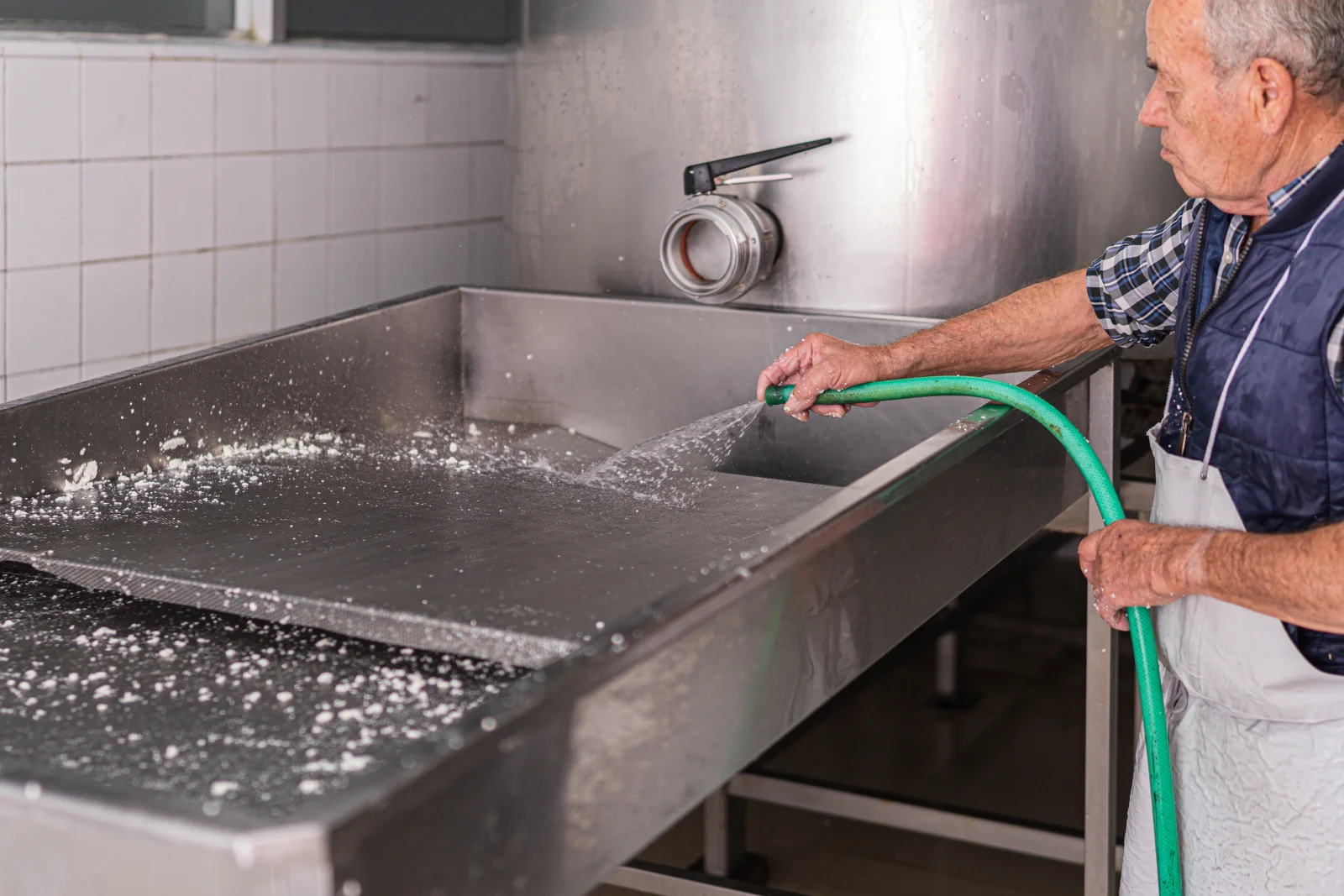
Every time a dish pit or fryer station drains, fats, oils, and grease (FOG) go down with the water. A grease trap or interceptor catches that grease before it reaches the sewer line, but it can only hold so much, once it fills past roughly a quarter of its capacity, grease starts passing through instead of staying trapped, which is exactly the failure point the City of Phoenix's FOG program is built to prevent.
In dense restaurant corridors like Roosevelt Row, Grand Avenue, the Melrose District along Indian School and Camelback roads, and the Central Avenue corridor through Midtown, dozens of kitchens can share the same aging sewer lateral, so one overdue grease trap can back up drains for an entire block of tenants, not just the kitchen that skipped its service.
ShowUp Promise replaces the guesswork of finding a trustworthy pumping service yourself: tell us about your trap or interceptor and we match you with a vetted, licensed, insured, background-checked pro near you, and if they do not show, the ShowUp Guarantee means you do not pay.
What Happens During a Grease Trap Pump-Out
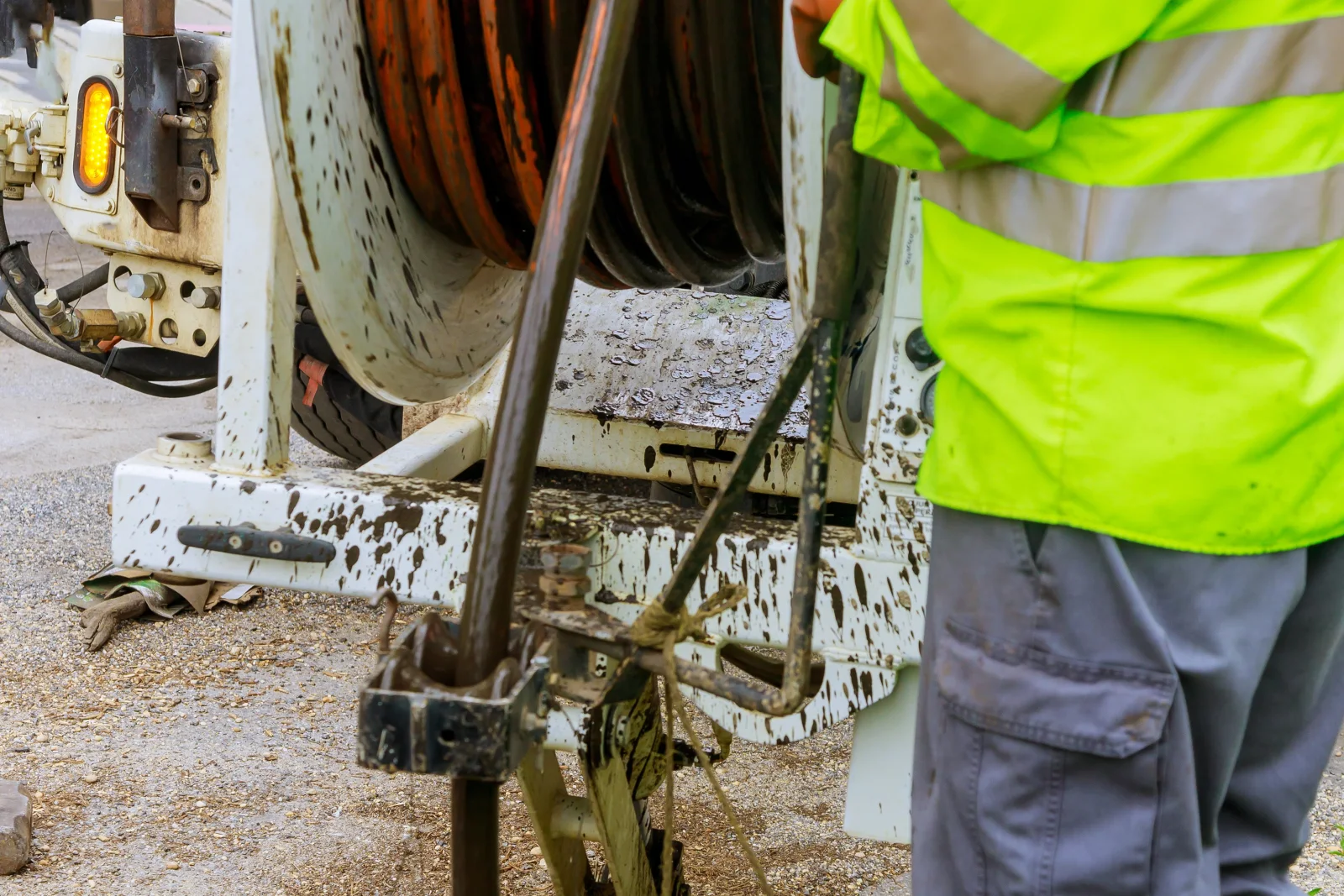
A pro arrives with a vacuum truck or a portable pump rig, opens the trap or interceptor lid, and pumps out the grease, solids, and wastewater layers completely rather than skimming the surface. Interior under-sink traps are usually serviced with a smaller pump and container, while exterior interceptors near a loading dock or parking area typically need a full vacuum truck.
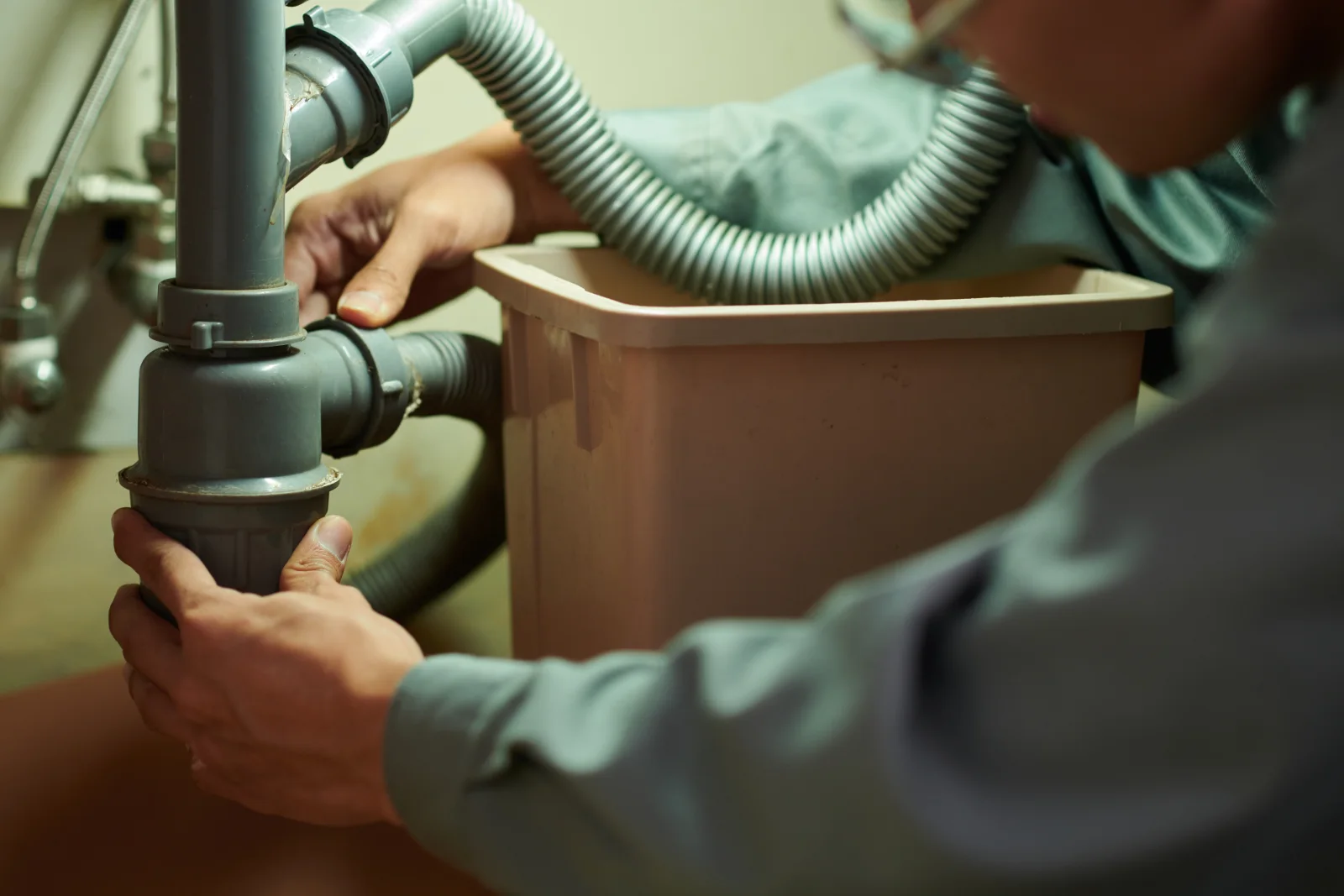
After the pump-out, the technician scrapes and wipes down the interior walls and baffle, checks the gaskets and lid seal, and confirms the unit is draining properly before closing it back up. Grease waste is hauled off for licensed disposal or recycling, never dumped back into the sewer system.
You should walk away with a signed manifest showing the date, volume removed, and disposal method , the paper trail Phoenix inspectors ask for during a FOG compliance check.
How Often Your Grease Trap Needs Service
Most Phoenix restaurants need a grease trap or interceptor pump-out every 30 to 90 days, though the right interval depends entirely on how much cooking volume runs through your kitchen. A high-volume fry station or a full-service kitchen running lunch and dinner service often needs monthly cleaning, while a smaller cafe or lower-volume kitchen can sometimes stretch to quarterly.
The City follows the widely used "25% rule", once grease and solids fill about a quarter of the trap's total capacity, it is due for service, not left to fill completely. Waiting past that point is when slow drains, backups during a dinner rush, and odor complaints from neighboring tenants start.
Your pro can help set a recurring schedule based on your actual kitchen volume so you are never guessing whether it is time to call.
Staying Compliant With Phoenix's FOG Program
The City of Phoenix's Fats, Oils, and Grease (FOG) program requires food service establishments to install an approved grease interceptor, keep it maintained, and retain service records that inspectors can request during a compliance check. You can review the program's requirements directly on the City of Phoenix Water Services Commercial Inspection page.
Most Phoenix food service establishments are required to install at least a 2-compartment, 500-gallon exterior interceptor, with smaller hydromechanical under-sink traps only approved for locations with up to four plumbing fixtures. If you are opening a new kitchen or doing a lease build-out anywhere from Melrose to Midtown, confirm your required interceptor size before the plumbing is roughed in.
Keep at least three years of pump-out manifests on file, that documentation is what turns a routine inspection into a quick sign-off instead of a follow-up visit.
What Happens When a Grease Trap Gets Neglected
An overdue grease trap does not fail quietly. The most common warning signs Phoenix kitchens run into:
- Slow-draining dish pit or prep sinks that get worse through a shift as more grease backs up behind the trap
- Sour, rotten-egg odors near the trap, dish area, or dumpster corral as trapped grease breaks down
- A full backup during service, the worst possible time for a kitchen to lose its drain line
- Grease and solids passing through into the sewer lateral, which can affect neighboring tenants in shared restaurant corridors
- A failed or flagged inspection if manifests cannot show a compliant service history
Staying ahead of the 25% mark with a recurring schedule is far cheaper than an emergency call during a Friday night rush, and it keeps your business off the City's follow-up inspection list.
What Grease Trap Cleaning Costs in Phoenix
A small 20-to-50-gallon interior under-sink trap typically runs $125 to $250 per cleaning, while a larger 500-to-1,000-gallon exterior interceptor, the size most Phoenix food service establishments are required to install, usually runs $300 to $900 per pump-out.
Restaurants on a recurring monthly or quarterly schedule typically pay less per visit than a one-off or emergency call, since the trap never gets far past the 25% mark and the job stays quick. Pricing can move higher for interceptors that are hard to access or have gone well past capacity.
With ShowUp Promise you see an upfront, itemized price before your pro starts work, so there are no surprise charges once the pump truck is already on site.
Keeping Your Trap Cleaner Between Pump-Outs
Scraping plates and cookware into the trash before washing keeps the biggest load of solids out of the trap entirely, and a strainer basket over floor drains and the dish pit catches food scraps before they can wash through. Never pour used fryer oil or bacon grease straight down a drain, cool it and dispose of it separately.
A quick daily wipe-down of the strainer basket and a log of what is going down the drain during a busy shift both help your kitchen stay well under the 25% mark between scheduled services.
None of this replaces professional pump-outs, it just stretches the time between them and keeps each visit faster and cheaper.
Serving Restaurants and Kitchens Across the Valley
ShowUp Promise matches food service businesses across Phoenix, from Roosevelt Row and Grand Avenue to the Melrose District, Camelback Corridor, and Midtown's Central Avenue corridor, plus the wider Valley including Mesa, Scottsdale, Tempe, Chandler, Gilbert, Glendale, Peoria, Surprise, and Goodyear, with vetted, licensed, insured plumbing pros.
Need help beyond your grease trap? Our network also handles septic pumping, plus other plumbing needs Phoenix homeowners and businesses run into, like hydro jetting, emergency plumber, water softener installation, water softener repair, toilet repair, toilet replacement, burst pipe repair, well pump repair, solar water heater service, and general Phoenix plumbing. You can also browse all of our trusted contractors in Phoenix in one place.
The ShowUp Guarantee
Every plumbing pro in the ShowUp Promise network is vetted, licensed, insured, and background-checked before they ever reach your kitchen. You approve the price before work starts, and if a pro does not show, you do not pay, the system reassigns your job to the next available verified pro instead.
Grease Trap Cleaning Phoenix FAQ
How Often Does a Grease Trap Need to Be Cleaned in Phoenix?
What Does Grease Trap Cleaning Cost in Phoenix?
Do I Need Manifests or Records to Stay Compliant?
What Happens If a Grease Trap Is Not Cleaned On Time?
What Size Grease Interceptor Does My Restaurant Need?
Can Grease Trap Cleaning Be Scheduled Outside Business Hours?
Get Your Phoenix Grease Trap Cleaned
Tell us about your grease trap or interceptor, then match with a vetted, licensed, insured Phoenix plumbing pro who pumps it out, hands you the manifest, and shows up when they say they will.