Solar Water Heater Service in Phoenix
Solar water heater service near Phoenix keeps your system making the most of over 300 sunny days a year — get matched with vetted, licensed, insured plumbers who repair collectors, glycol loops, and backup elements, or replace a worn-out system outright.
Tell us what your system is doing and get matched with a background-checked Phoenix plumber who actually works on solar-thermal systems, not just standard tank heaters.
No app to download. Works right in your browser.
ShowUp Guarantee — no-show means no pay.
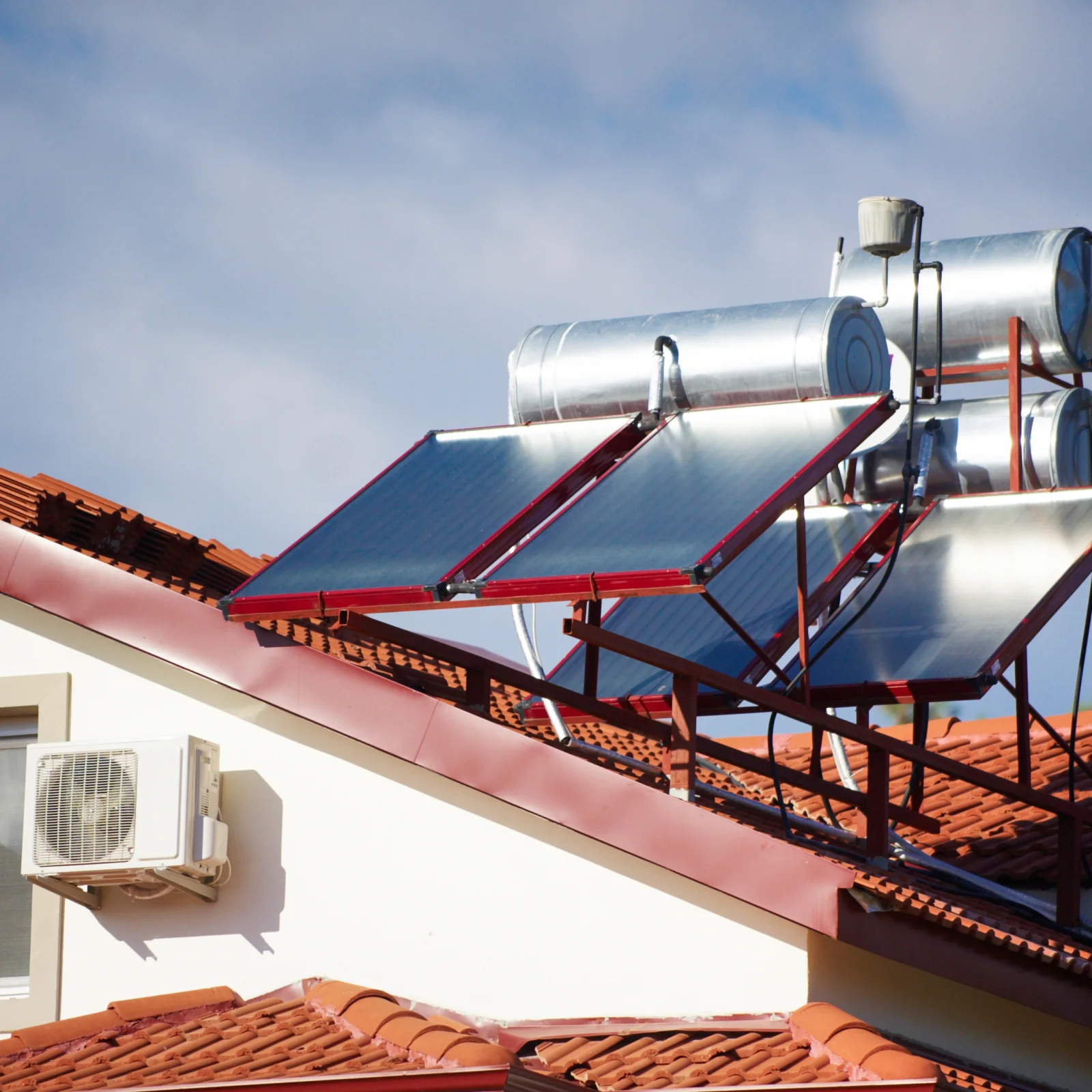
Solar Water Heater Service in Phoenix Done Right
A solar water heater is one of the best-suited systems for Phoenix — over 300 sunny days a year means real energy savings — but the same intense sun and heat that make it efficient also age the collectors, seals, and glycol fluid faster than in almost any other climate. A system that once delivered plenty of hot water can quietly start falling short as a sensor drifts, a seal weeps, or the fluid loop loses pressure.
Most homeowners do not know whether a lukewarm shower means a simple sensor fix or a bigger collector problem, and cold-calling a plumber means hoping whoever answers actually services solar-thermal systems and not just standard tank water heaters.
ShowUp Promise replaces that guesswork: describe what your system is doing and we match you with a vetted, licensed, insured, background-checked plumber near you. You get a real diagnosis, an upfront price, and a pro who shows up — and if they do not, the ShowUp Guarantee means you do not pay.
The Solar Water Heater Problems Phoenix Plumbers Fix Most
Most service calls come down to a handful of failures. The plumbers in our network diagnose the real cause first instead of just topping off fluid and hoping it holds:
- Dirty, shaded, or degraded collector panels not absorbing enough heat
- Failed sensors or controllers that stop the circulation pump from running correctly
- Low glycol level or acidic, degraded antifreeze fluid in an indirect loop
- Air trapped in the collector loop, or a circulation pump that has burned out
- A backup electric or gas element with nothing left to fall back on cloudy days
- Mineral scale from Phoenix’s hard water narrowing the heat exchanger and tank fittings
Why Phoenix Sun and Water Are Hard on Solar Water Heaters
Phoenix gets more direct sun and higher rooftop temperatures than almost anywhere else solar water heaters are installed, which is exactly what makes the systems so efficient here — and exactly what ages them faster. Intense UV and daily heat cycles dry out and crack collector seals and gaskets years before they would in a milder climate.
Our water makes it worse. Phoenix has some of the hardest water in the country, so mineral scale builds up in the heat exchanger and tank fittings, cutting efficiency and stressing joints the same way it does in a standard water heater. Most Phoenix systems use an indirect glycol loop for freeze protection, and that fluid degrades and turns acidic over time if it is never serviced.
A rare hard freeze can still test an exposed line or a freeze-protection valve once or twice a winter. A plumber who services Phoenix solar systems every day checks the collectors, the glycol fluid, and the sensor calibration first — not the generic tank-only checklist a standard water heater company runs.
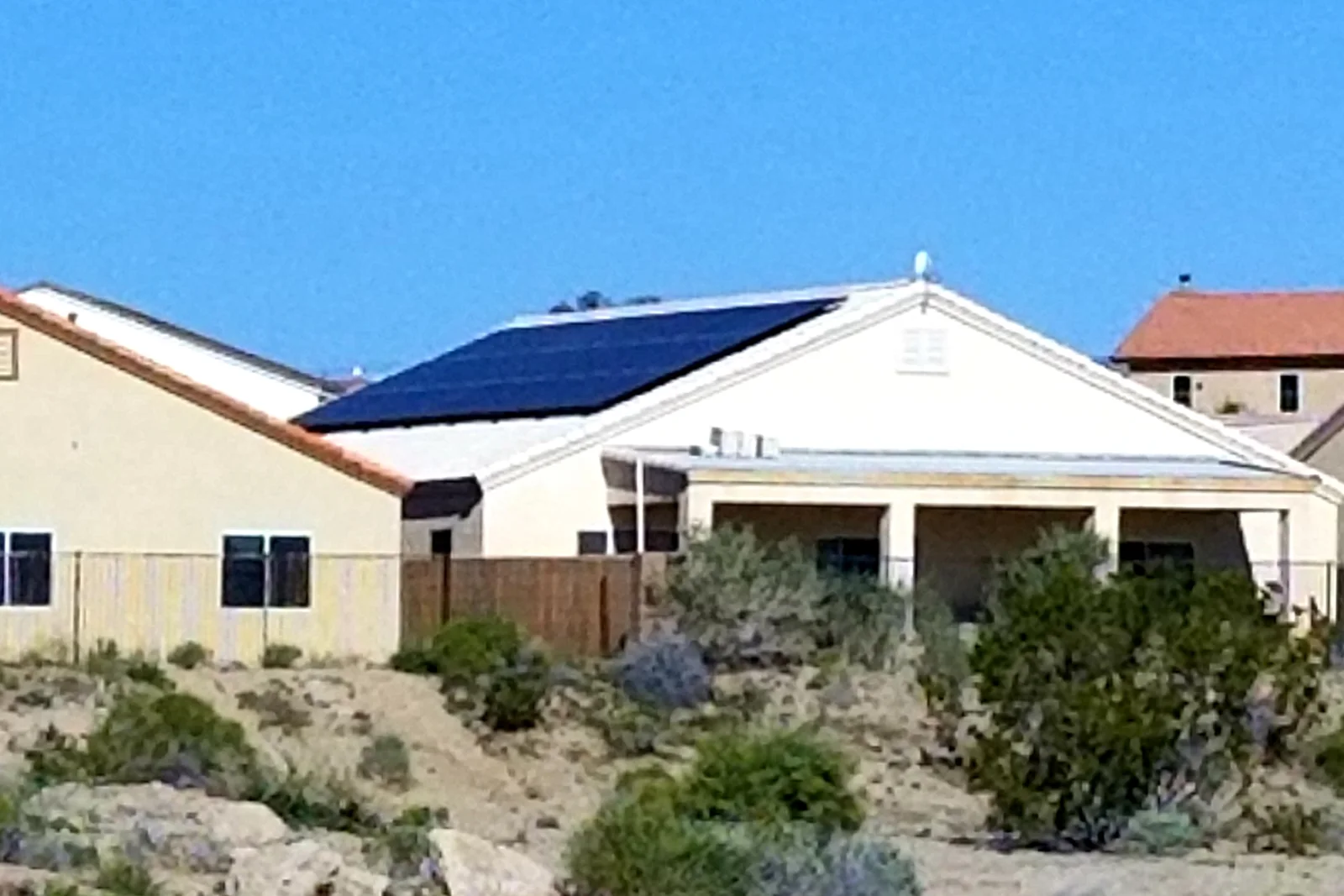
How ShowUp Promise Connects You With a Solar Water Heater Pro
Getting matched takes a couple of minutes. Tell us what your system is doing — weak hot water in the mornings, a hissing or dripping sound from the rooftop lines, a backup element running constantly — and we connect you with an available, vetted plumber from our network of trusted contractors in Phoenix who actually work on solar-thermal systems.
You see and approve an upfront price before any work begins, pay securely in-app, and can track your pro's arrival. Because every plumber is licensed, insured, and background-checked before they join, you skip the part where you wonder whether the person you called can actually service a collector loop versus a standard tank heater.
No app to download and no obligation to book the first quote — just a faster, more reliable path to hot water and a system that is actually working the way it should.
The ShowUp Guarantee
Every plumber in the ShowUp Promise network is vetted, licensed, insured, and background-checked before they ever reach your door. You approve the price before work starts, and if a pro does not show, you do not pay — the system automatically works to reassign your job to the next available verified plumber so you are never left waiting on cold water and no answer.
What Solar Water Heater Service Costs in Phoenix
A routine annual tune-up typically runs $150 to $350, a single-component repair like a sensor, controller, or pump usually costs $200 to $600, and replacing damaged collector panels runs $800 to $2,500 depending on how many panels and roof access.
A full system replacement — collectors, tank, pump, and controller — typically lands between $4,000 and $9,000 installed. The final number tracks the system type, since an active glycol loop costs more to service than a simple passive setup, and how accessible the rooftop collectors are.
With ShowUp Promise you see an all-in price and approve it before any work begins, so there are no surprise add-ons after the job. Ask for the diagnosis, the affected component, and any workmanship warranty in writing.
What a Complete Solar Water Heater Service Covers
Restoring hot water is step one — a proper service checks the whole system so the same failure does not come back next season. What a thorough Phoenix visit includes:
- Collector panel inspection for fouling, shading, seal cracks, and mounting hardware wear
- Glycol fluid level and pH check, with a flush and refill when the loop has degraded
- Circulation pump, sensor, and controller diagnostics and calibration
- Pressure-relief valve testing and a check for leaks at every fitting in the loop
- Backup electric or gas element inspection so cloudy-day hot water is not at risk
- Anode rod and tank inspection for hard-water corrosion and mineral scale buildup
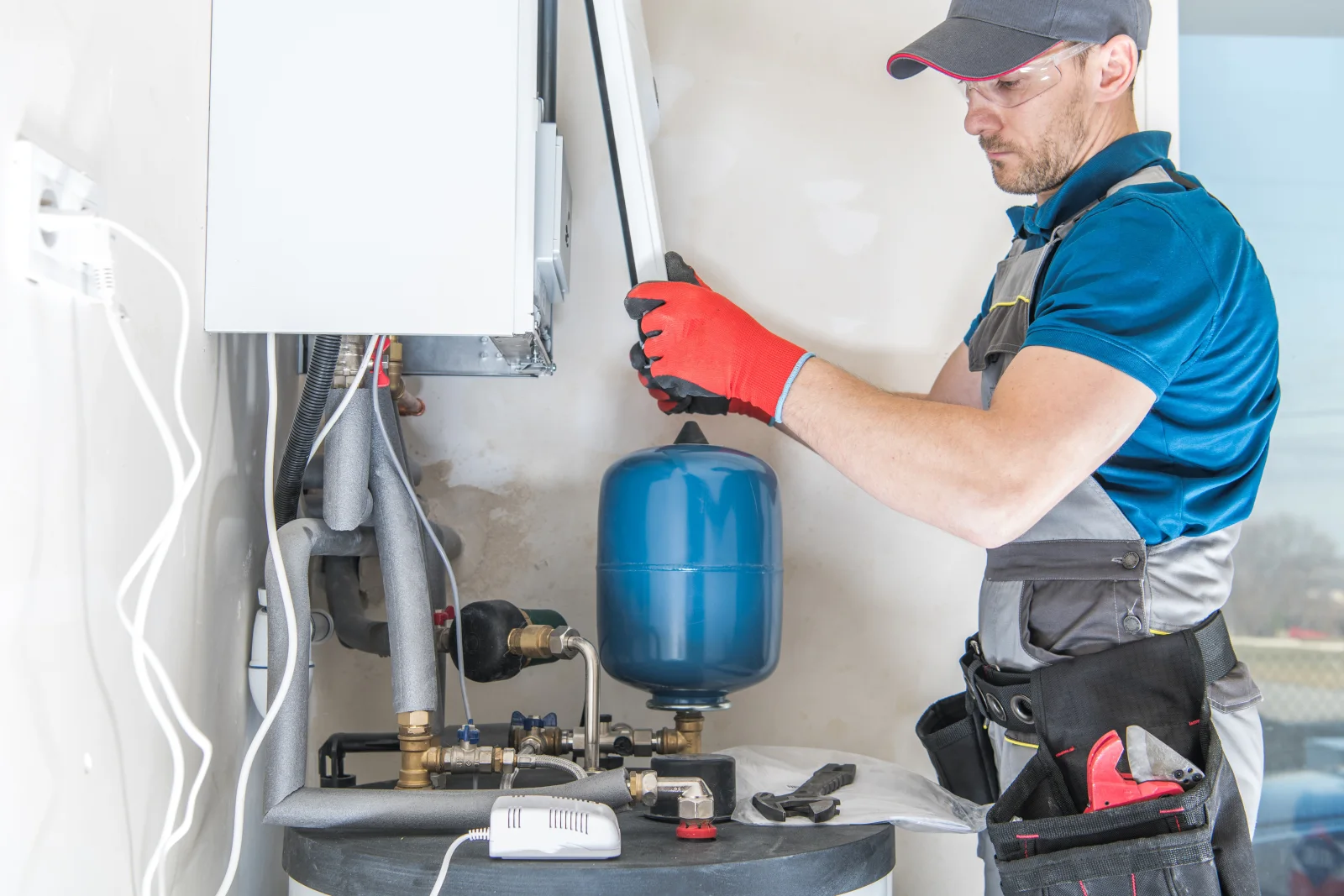
Diagnosing Why Your Solar Water Heater Isn't Delivering Hot Water
Weak hot water rarely means the whole system has failed — usually it is one link in the chain. A pro starts at the controller and sensors, checking whether the pump is actually cycling when the collectors are hot, before ever climbing on the roof.
From there it is a process of elimination: glycol fluid level and condition, air in the loop, collector fouling or shading, and the backup element as the fallback check. Each step rules problems in or out instead of guessing and replacing parts that were never broken.
Whether it turns out to be a five-minute sensor recalibration or a collector that needs replacing, ShowUp Promise matches you with a vetted plumber who finds the real cause and quotes it upfront — no unnecessary parts, no guesswork.
Serving Phoenix and the Whole Valley
ShowUp Promise matches homeowners with solar water heater pros across Phoenix and the wider Valley, including Mesa, Scottsdale, Paradise Valley, Chandler, Tempe, Gilbert, Glendale, Peoria, Surprise, and Goodyear. Wherever your home is, there is likely a vetted pro nearby who actually works on solar-thermal systems.
Dealing with more than the solar water heater? The same network covers other plumbing and home-system jobs Phoenix homeowners need, like burst pipe repair in Phoenix, water softener repair in Phoenix, and septic pumping in Phoenix. You can also browse all of our trusted contractors in Phoenix in one place.
Solar Water Heater Service Phoenix FAQ
My Solar Water Heater Isn’t Making Enough Hot Water — What’s Wrong?
How Much Does Solar Water Heater Service Cost in Phoenix?
How Does a Solar Water Heater System Actually Work?
Active vs. Passive Solar Water Heaters — What’s the Difference?
How Often Should a Solar Water Heater Be Serviced in Phoenix?
Should I Repair My Solar Water Heater or Replace the System?
Are There Rebates or Incentives for Solar Water Heaters in Phoenix?
What Causes a Solar Water Heater to Leak or Lose Pressure in Phoenix?
How Do I Know the Plumber Is Licensed, Insured, and Qualified?
Get Your Solar Water Heater Serviced Now
Tell us what your system is doing, then match with a vetted, licensed, insured Phoenix plumber who finds the real cause, fixes it right, and shows up when they say they will.