Gas Line Repair in Phoenix
Gas line repair in Phoenix is almost always one of three calls: the rotten-egg smell of a possible leak, an older line that failed a home-sale inspection, or a new appliance that needs its own gas run.
Tell us what's going on at your property and get matched with a vetted, licensed, insured Phoenix pro who can pressure-test, repair, and pull the permit fast.
No app to download. Works right in your browser.
ShowUp Guarantee, no-show means no pay.
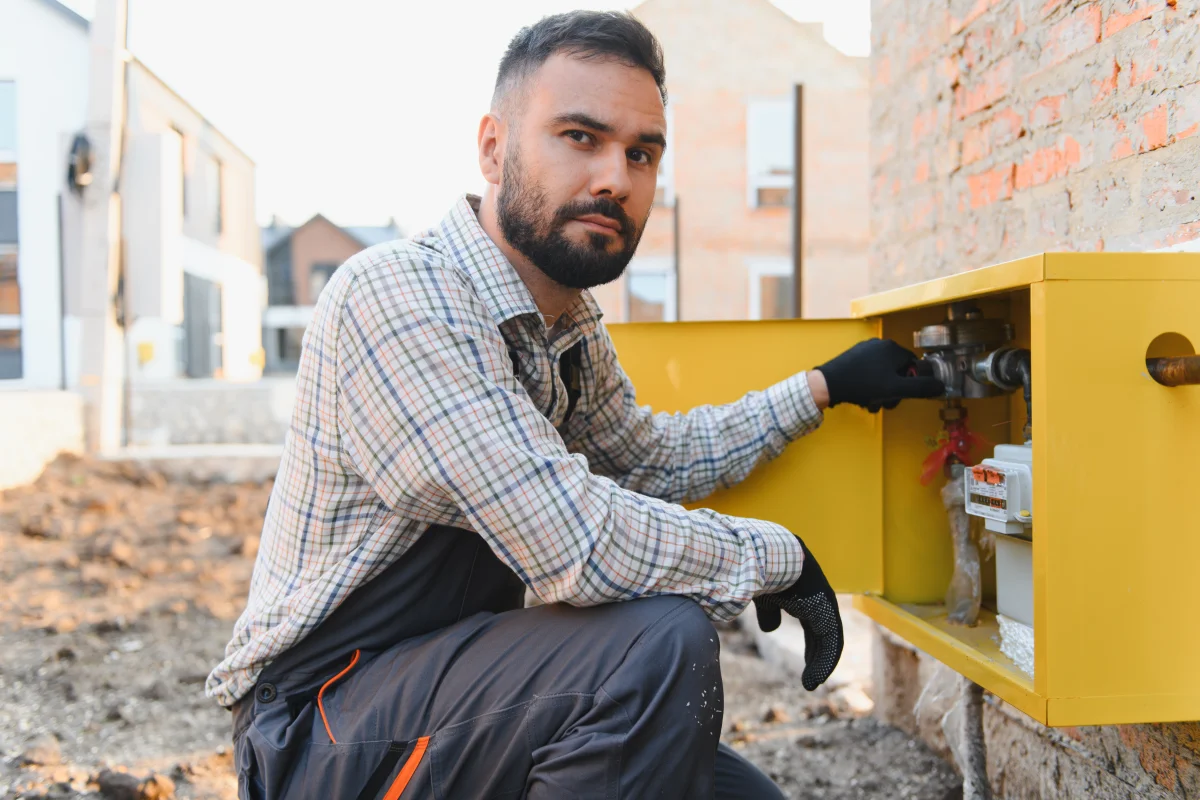
Why Phoenix Homeowners Call for Gas Line Repair
Most gas line calls fall into a handful of patterns: the sulfur-like smell that signals a possible leak, a corroded fitting on an older line that's finally failing, a line that got flagged on a home-sale inspection report, or a new appliance, a range, a dryer, a built-in BBQ, that needs its own dedicated gas run.
None of those are jobs for guesswork. Gas work in Phoenix requires a licensed plumber, a City permit for anything beyond a simple fitting swap, and a witnessed pressure test before any line gets buried or closed up behind drywall, skipping any of that is how small leaks turn into real hazards.
ShowUp Promise replaces the guesswork of finding a trustworthy pro yourself: tell us what's going on and we match you with a vetted, licensed, insured, background-checked plumber near you, and if they do not show, the ShowUp Guarantee means you do not pay.
What Gas Line Repair Covers
A thorough gas line repair through the ShowUp Promise network can cover:
- Leak detection and pressure-testing to trace a suspected leak to its exact source
- Repairing or replacing corroded fittings, joints, and short sections of exposed line
- Excavating and replacing a buried line that has failed or corroded underground
- Running a new dedicated gas line to a range, dryer, water heater, BBQ, or generator
- Sizing new line runs correctly for the appliance's BTU demand so pressure stays even
- Pulling the required City of Phoenix permit and scheduling the inspection
- Capping or removing old, unused gas lines left behind after an appliance swap
If You Smell Gas, Treat It as an Emergency
The rotten-egg odor added to natural gas is not subtle on purpose. If you smell it, leave the house right away, do not flip any light switches or use your phone until you're outside, and call Southwest Gas's emergency line or 911 first.
Southwest Gas owns and maintains the line up to your meter, everything past the meter, including the run to your furnace, water heater, or range, is the homeowner's line, and that's what a licensed plumber repairs once the gas company confirms it's safe to go back in.
A slow leak that never rises to a strong smell can still show up as a spike in your gas bill, dead or discolored plants near a buried line, or a faint hissing sound near a fitting, any of those is worth a same-day inspection rather than waiting.
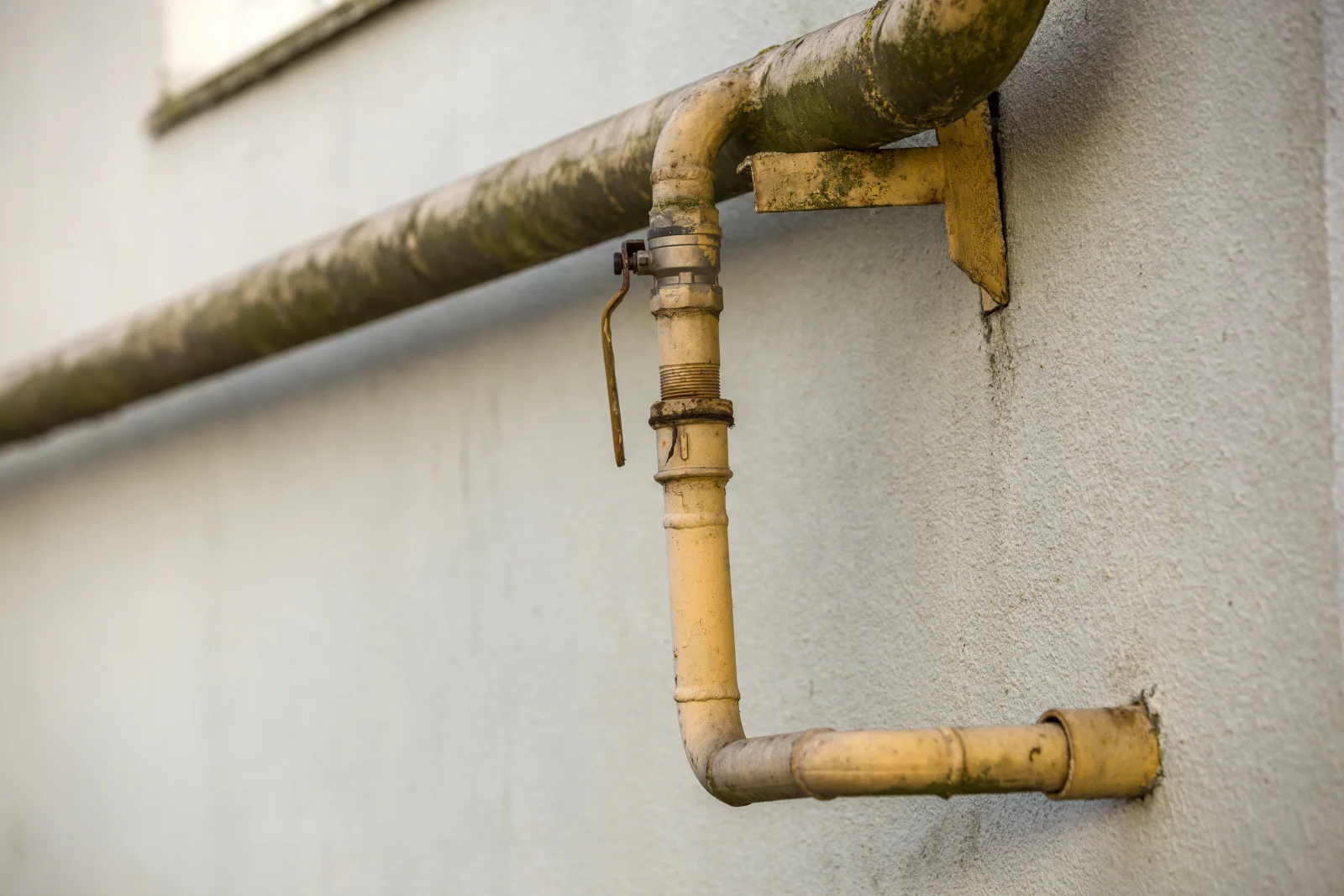
Why Older Phoenix Homes See More Gas Line Problems
Homes built before the 1980s in neighborhoods like Sunnyslope, Encanto, and pockets of Central Phoenix along 7th Street and Indian School Road often still run the original black iron pipe, which corrodes from the inside over decades and tends to fail first at threaded joints.
Phoenix's caliche-heavy soil moves more than people expect between a dry summer and a heavy monsoon week, which stresses buried line and can loosen fittings over the years. Homes off Van Buren Street and in the Garfield and Coronado historic districts, where original plumbing is common, are where pros see this most.
Newer construction out toward Desert Ridge, Norterra, and along the Loop 101 corridor typically runs modern corrugated stainless steel tubing, which resists corrosion better, but even those lines need a professional check if a fitting was ever disturbed during a remodel or an appliance swap.
What Gas Line Repair Costs in Phoenix
Most Phoenix homeowners see $150 to $400 for a straightforward leak repair or fitting replacement, and $500 to $2,000 or more for a buried line section that needs to be excavated and replaced.
Leak detection alone, pressure-testing and tracing a slow leak before any repair starts, typically runs $100 to $300. A new dedicated line for a range, dryer, or outdoor BBQ usually adds $300 to $800 depending on length and whether it has to route through a wall or attic space.
With ShowUp Promise you see an upfront, itemized price and approve it before your pro starts, so the permit fee and pressure-test are never a surprise line item added on after the work is done.
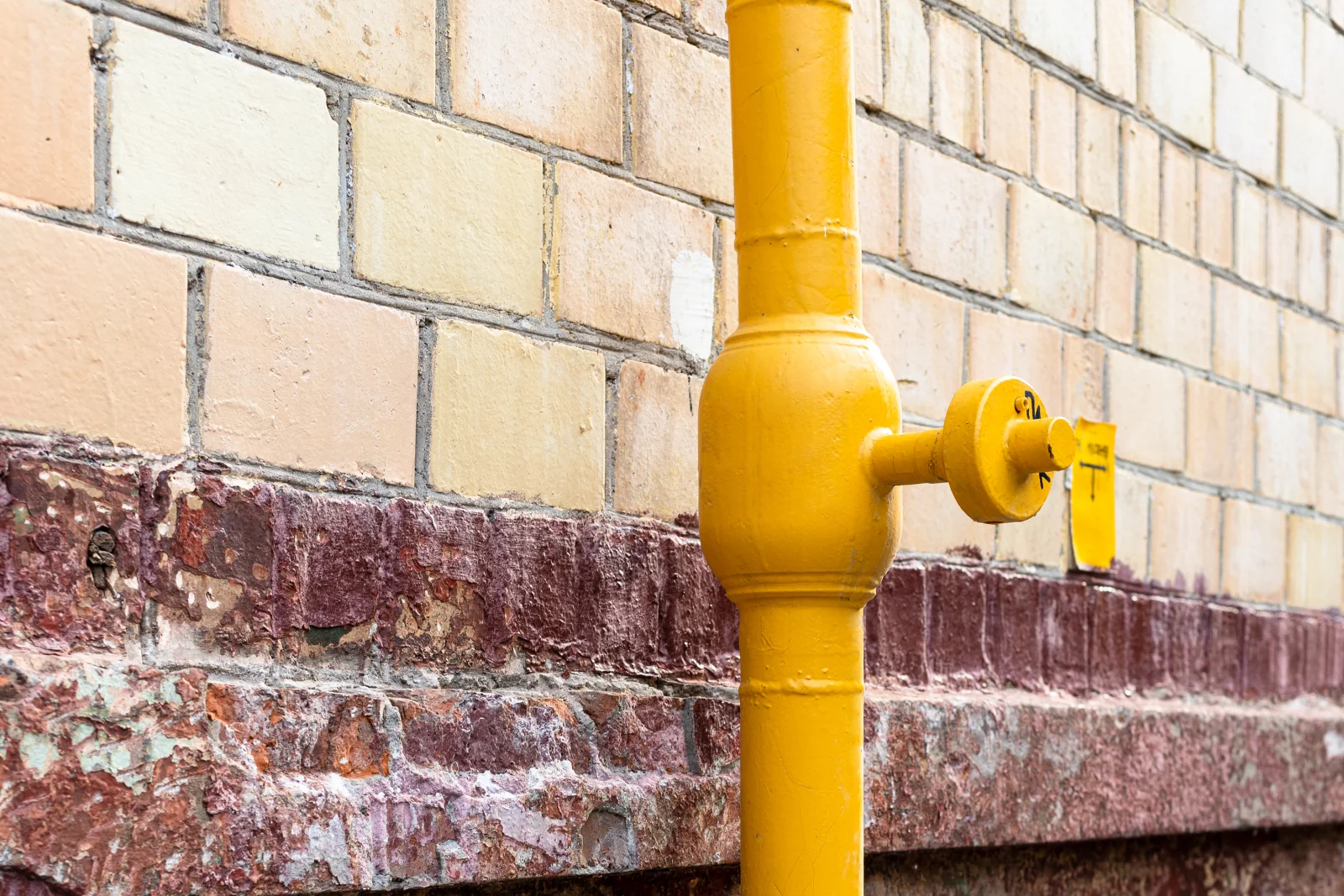
Permits, Inspections, and Adding a New Gas Appliance
The City of Phoenix requires a permit and a witnessed pressure test for new gas line installation, relocation, or any repair that involves cutting into or extending the existing line. A simple like-for-like fitting swap on an already-permitted line is sometimes the only exception, and your pro will confirm which applies before starting.
Adding a line for a new BBQ, standby generator, or fire pit is one of the most common calls the network handles, the pro sizes the new run to the appliance's BTU demand, pulls the permit, and pressure-tests it before it's buried or covered.
Skipping the permit on one of these add-ons is a common shortcut that catches up with homeowners later: an unpermitted gas line is exactly the kind of thing that shows up on a buyer's inspection report when the house eventually sells.
Serving Phoenix and the Whole Valley
ShowUp Promise matches homeowners with plumbing pros across Phoenix and the wider Valley, including Mesa, Scottsdale, Tempe, Chandler, Gilbert, Glendale, Peoria, Surprise, and Goodyear, from the older homes near Sunnyslope and Encanto to new construction off Loop 101 in Desert Ridge and Norterra.
Dealing with more than just the gas line? Our network also handles emergency plumbing service, plus other plumbing issues Phoenix homeowners run into, like burst pipe repair, water softener repair, water softener installation, toilet repair, toilet replacement, faucet repair, well pump repair, hydro jetting, septic pumping, solar water heater service, tankless water heater installation, trenchless sewer repair, sewer scope inspection, and general Phoenix plumbing. You can also browse all of our trusted contractors in Phoenix in one place.
The ShowUp Guarantee
Every plumber in the ShowUp Promise network is vetted, licensed, insured, and background-checked before they ever reach your property. You approve the price before work starts, and if a pro does not show, you do not pay, the system reassigns your job to the next available verified pro instead.
Gas line work in Phoenix almost always requires a City permit and a witnessed pressure test, the City of Phoenix's residential building permits page lays out what triggers a permit for plumbing and gas work, which is exactly why getting the permit question right before work starts matters as much as the repair itself. For a suspected leak, Southwest Gas's pipeline safety guidance covers what to do before a plumber is ever involved.
Gas Line Repair Phoenix FAQ
How Much Does Gas Line Repair Cost in Phoenix?
Is a Gas Leak Smell an Emergency in Phoenix?
Do I Need a Permit for Gas Line Repair in Phoenix, AZ?
How Long Does Gas Line Repair Take?
Why Do Older Phoenix Homes Have More Gas Line Problems?
Can I Add a Gas Line for a New BBQ, Generator, or Fire Pit?
Get Your Phoenix Gas Line Fixed Right
Tell us what's going on with your gas line, then match with a vetted, licensed, insured Phoenix pro who can pressure-test, repair, and pull the permit, fast and safely.