Retaining Wall Installation in Phoenix
Retaining wall installation in Phoenix is usually driven by one of three things: a sloped lot that's eroding, a patio or planting bed that needs to be leveled, or an older wall that's starting to lean, bulge, or crack.
Tell us what your yard is dealing with and get matched with a vetted, licensed, insured Phoenix pro who can quote an engineered, code-compliant wall.
No app to download. Works right in your browser.
ShowUp Guarantee, no-show means no pay.
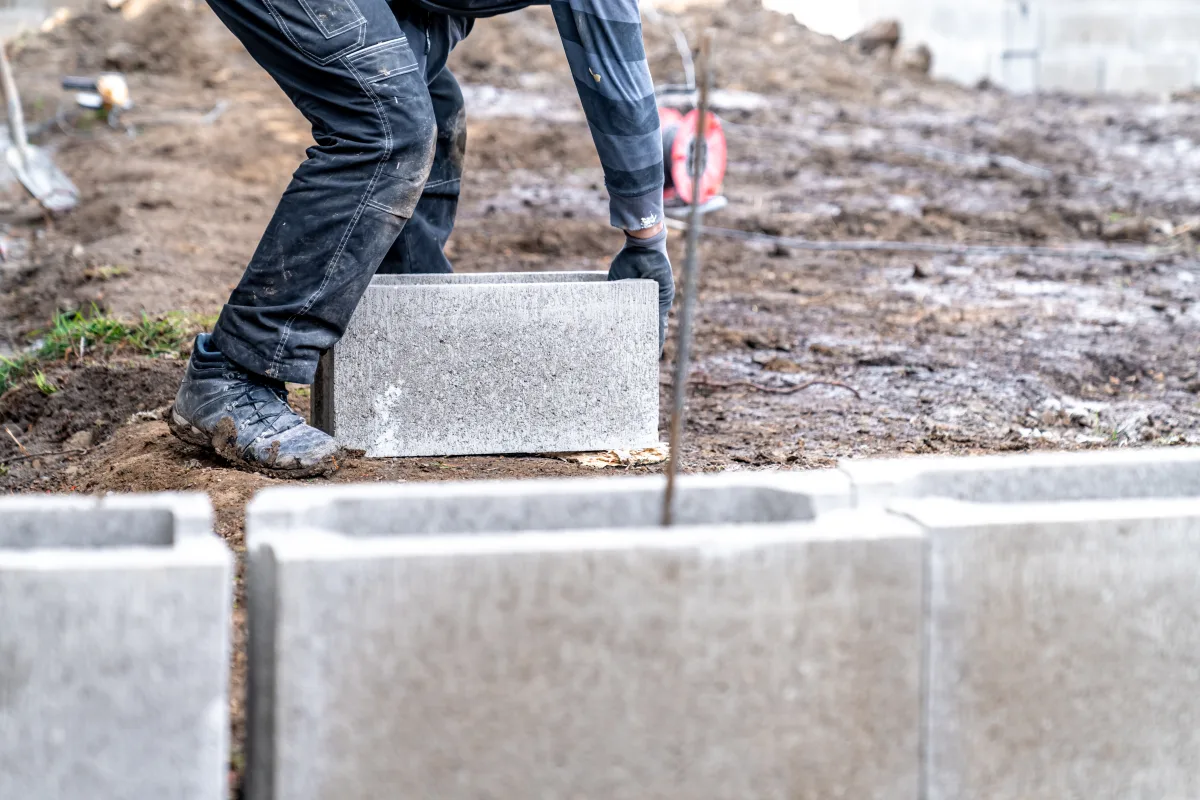
Why Phoenix Yards Need a Retaining Wall
Most retaining wall calls come down to a handful of patterns: a sloped lot losing soil every monsoon season, a backyard that needs a level patio or planting bed cut into a grade, a raised planter or seat wall for a hardscape project, or an older wall that's starting to lean, bulge, or crack and needs to be rebuilt right.
None of those are simple stacking jobs. A wall that holds back soil has to manage water pressure behind it, sit on a properly compacted footing, and often meet a City permit and engineering requirement depending on height and what it's holding back.
ShowUp Promise replaces the guesswork of finding a trustworthy pro yourself: tell us what your yard is dealing with and we match you with a vetted, licensed, insured, background-checked pro near you , and if they do not show, the ShowUp Guarantee means you do not pay.
What Retaining Wall Installation Covers
A thorough retaining wall installation through the ShowUp Promise network can cover:
- Grading and excavating the site to the engineered footing depth
- Compacting a stable base and pouring or laying the footing
- Building the wall in segmental block, poured concrete, or natural stone and boulder
- Installing drainage, gravel backfill, a perforated drain pipe, and weep holes
- Backfilling and compacting in lifts so the soil behind the wall does not settle later
- Capping the wall and finishing the grade or planting bed behind it
- Pulling permits and engineering stamps for walls that require them
How a Retaining Wall Installation Works
Your pro starts by reading the slope and the soil, how much grade change the wall needs to hold, whether it's carrying a surcharge like a driveway or patio above it, and how deep the footing needs to go to sit on stable ground below Phoenix's caliche layer.
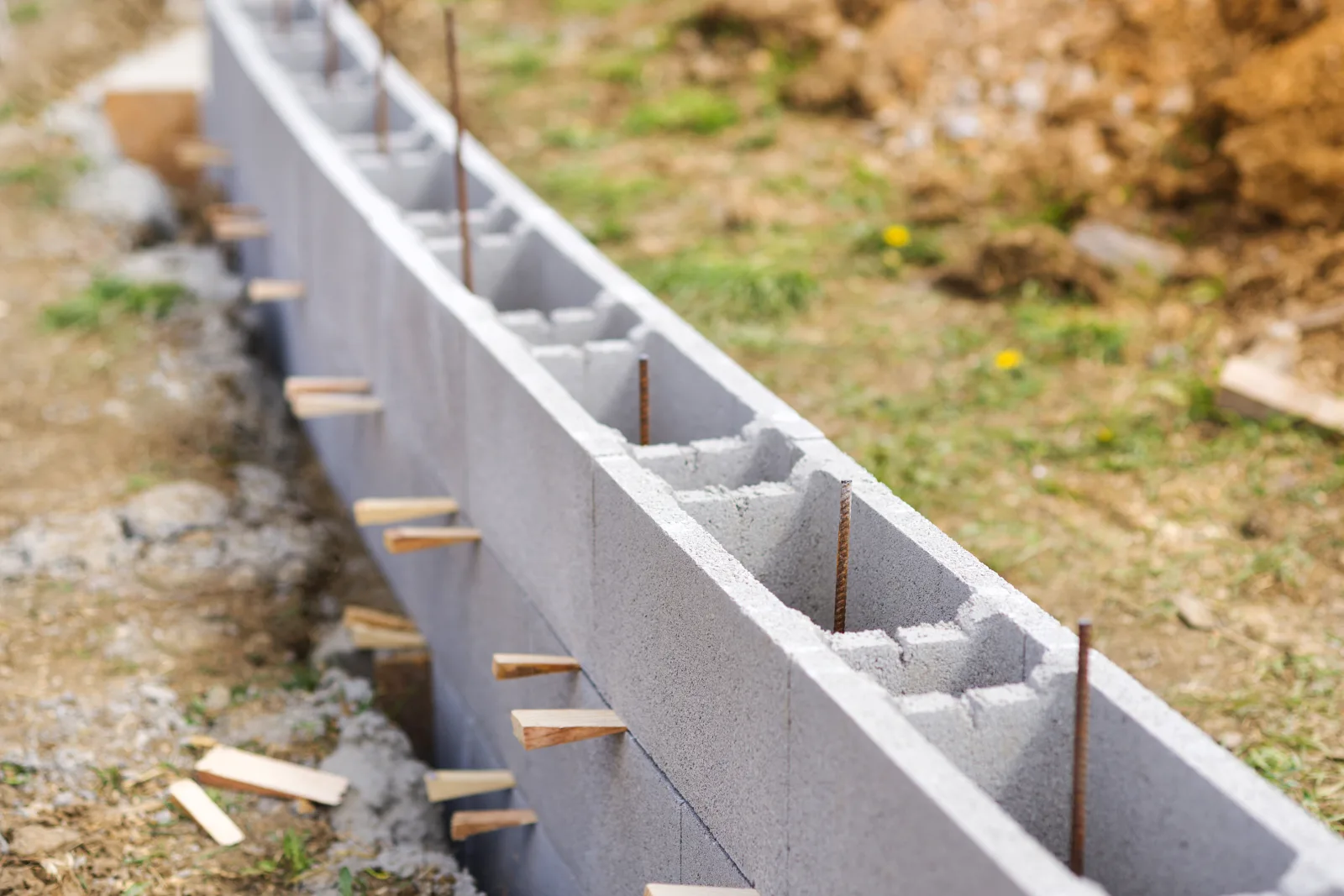
From there the site gets excavated and the footing is poured or compacted, then the wall goes up course by course, with rebar-reinforced cores or geogrid reinforcement worked in if the height calls for it. Gravel backfill and a perforated drain pipe go in behind the wall before it's buried, so monsoon runoff has somewhere to go instead of building up pressure against the face.
The backfill is compacted in lifts as it goes back in, not dumped in all at once, which is what keeps the soil behind the wall from settling and cracking the grade above it a year later.
Why Phoenix Soil and Monsoon Runoff Change the Job
A retaining wall built for Phoenix has to handle two things most climates don't stack together: a hard caliche layer a foot or two down that changes how deep and how the footing gets dug, and monsoon storms that can dump an inch of rain in under an hour and send it straight downhill if the drainage behind the wall isn't sized right.
Foothill lots in Ahwatukee near South Mountain and along the Paradise Valley border near Camelback Mountain and Arcadia see some of the steepest grade changes in the city, which is exactly where retaining walls do the most work. Newer communities off Loop 101 in Desert Ridge and Norterra often need walls to level pads cut into rockier ground, while older hillside lots in Sunnyslope near North Mountain frequently need a failing wall rebuilt with drainage the original never had.
Wash-adjacent properties near the Arizona Canal, and lots along corridors like Cave Creek Road, 7th Street, and Tatum Boulevard, tend to see the fastest runoff during a monsoon storm, another reason the drain pipe and gravel backfill behind the wall matter as much as the blocks in front.
What Retaining Wall Installation Costs in Phoenix
Most Phoenix homeowners see $25 to $60 per square face-foot for a segmental block wall, and $40 to $75 per square face-foot for natural stone or boulder.
A typical 30- to 40-foot wall in the 3- to 4-foot range often runs $4,000 to $12,000 depending on material, site access, and how much excavation the slope requires. Walls tall enough to need an engineer and a stamped drawing usually add $800 to $1,500 or more for the engineering and permit fees on top of the build.
With ShowUp Promise you see an upfront, itemized price and approve it before your pro breaks ground, so drainage work and permit costs are never a surprise line item later.
Keeping Your Retaining Wall Working Long-Term
Drainage is the whole game with a Phoenix retaining wall. Walk the base before each monsoon season and clear any weep holes that look blocked with dirt or debris, those are what let water escape instead of building up pressure behind the face.
Watch for water pooling at the top of the wall instead of draining through after a storm, and keep an eye out for any new bulging, leaning, or cracking, especially after a heavy summer rain, those are early signs the backfill or drainage is getting overwhelmed, not just cosmetic wear.
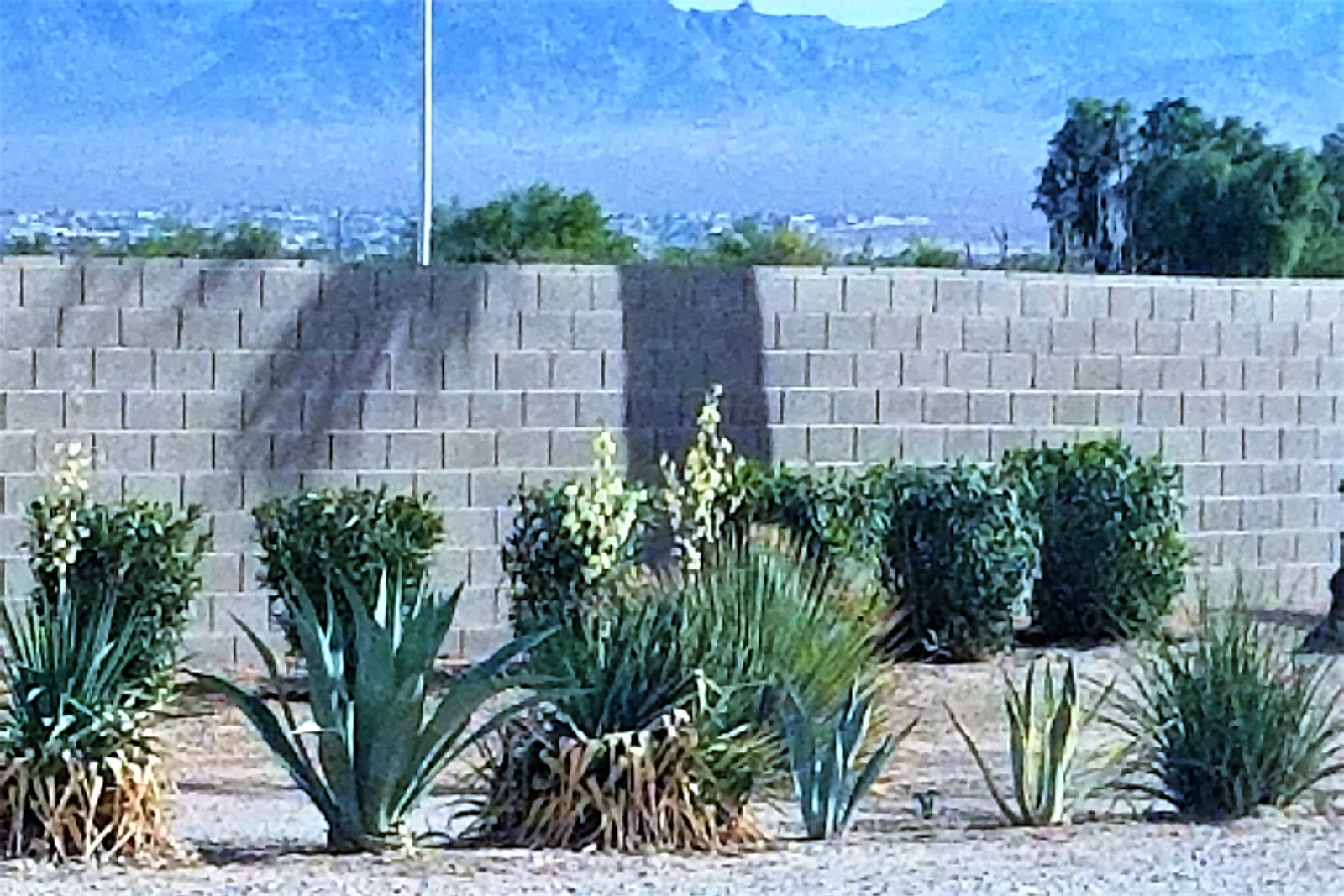
Planting desert-adapted shrubs and groundcover behind the wall helps too, their roots hold the backfill in place and they need far less water than turf, which keeps saturated soil from ever building up against the wall in the first place.
Serving Phoenix and the Whole Valley
ShowUp Promise matches homeowners with landscaping pros across Phoenix and the wider Valley, including Mesa, Scottsdale, Paradise Valley, Chandler, Tempe, Gilbert, Glendale, Peoria, Surprise, and Goodyear, from the foothill lots near South Mountain and Camelback Mountain to the newer communities off Loop 101.
Planning more than just a wall? Our network also handles landscape drainage, plus other yard projects Phoenix homeowners run into, like patio building, residential landscape design, full-yard landscape contracting, general landscaping, turf installation, synthetic grass installation, landscape lighting, sprinkler repair, drip system repair, emergency tree removal, tree trimming, cactus removal, weed control, commercial landscape maintenance, and putting green installation. You can also browse all of our trusted contractors in Phoenix in one place.
The ShowUp Guarantee
Every landscaping pro in the ShowUp Promise network is vetted, licensed, insured, and background-checked before they ever reach your property. You approve the price before work starts, and if a pro does not show, you do not pay, the system reassigns your job to the next available verified pro instead.
Wall height and what it's holding back both affect whether a permit is required, the City of Phoenix's permit guide for fences and retaining walls lays out the exact height thresholds and when structural design calculations are required, which is exactly why getting the permit question right before work starts matters as much as the build itself.
Retaining Wall Installation Phoenix FAQ
How Much Does Retaining Wall Installation Cost in Phoenix?
Do I Need a Permit for a Retaining Wall in Phoenix, AZ?
What's the Best Type of Retaining Wall for Phoenix Soil and Monsoon Drainage?
How Tall Can a Retaining Wall Be Before It Needs an Engineer in Phoenix?
How Long Does Retaining Wall Installation Take?
How Do You Keep a Phoenix Retaining Wall From Failing in Monsoon Season?
Get Your Phoenix Retaining Wall Built Right
Tell us what your yard is dealing with, then match with a vetted, licensed, insured Phoenix pro who designs the wall, handles the permit, and builds it to last through monsoon season.