Drip System Repair in Phoenix, Arizona
Drip system repair in Phoenix means fighting two things a regular sprinkler tech in a milder climate never deals with, hard water that crystallizes inside emitters and UV rays that turn poly tubing brittle within a couple of summers.
Describe what's wrong and get matched with a vetted, licensed, insured drip irrigation pro who already knows how Valley soil, water, and sun chew through a system.
No app to download. Works right in your browser.
ShowUp Guarantee, no-show means no pay.
Typical range: $95–$350 per repair visit.
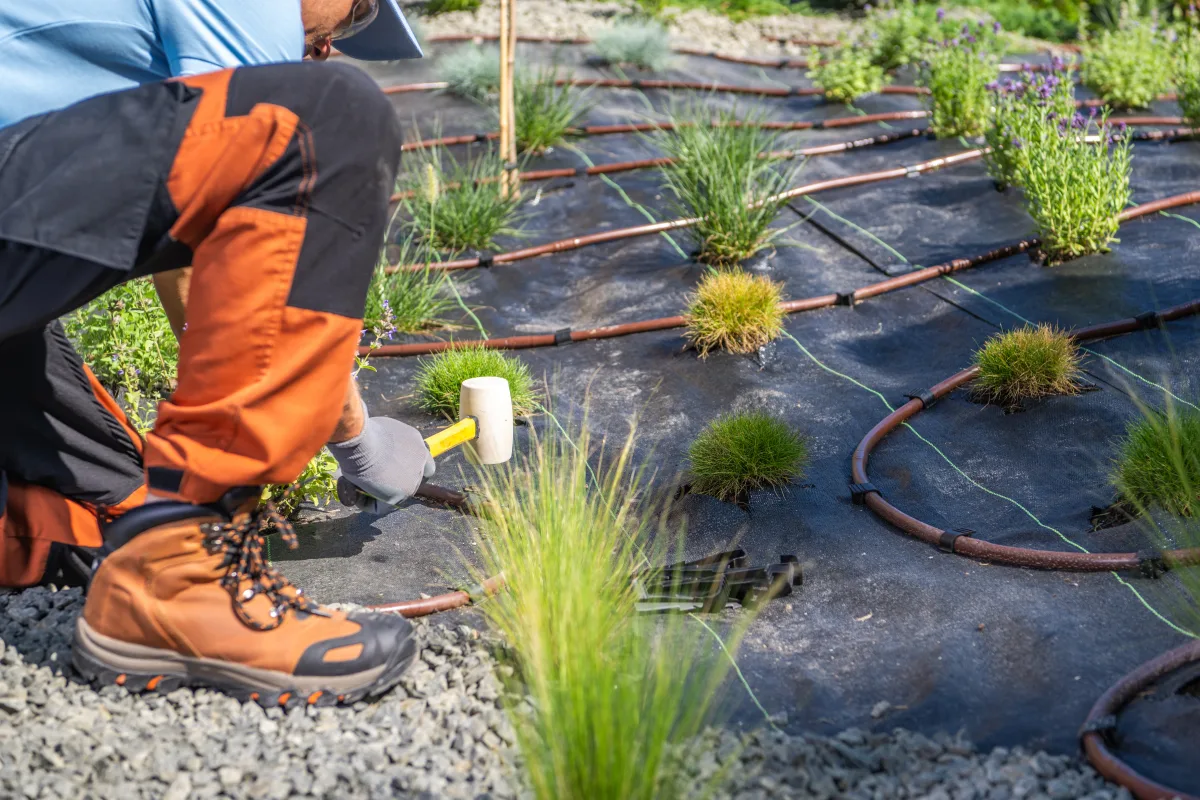
Phoenix Hard Water and Desert Heat Are Brutal on Drip Systems
A drip system that works perfectly in a milder climate fails in the Valley for reasons a generic sprinkler company doesn't always catch. Phoenix tap water carries enough mineral content to crystallize inside emitter openings within a season, choking off water to one plant at a time while the rest of the zone looks fine.
Sun makes it worse. Standard poly tubing exposed to Phoenix summers gets brittle from UV exposure and cracks, pops off fittings, or splits into a small geyser, usually right where rock mulch has been trapping extra heat against the line. Add gophers and rabbits chewing buried tubing chasing moisture, and it's easy to see why "just cap it and add a sprinkler instead" isn't a real fix.
ShowUp Promise answers that up front: describe what's wrong and we match you with a vetted, licensed, insured, background-checked drip irrigation pro, with an itemized scope and price you approve before any digging starts.
What a Real Drip System Repair Includes
A proper Phoenix drip repair goes past swapping one bad emitter. A complete visit typically covers:
- A full pressure and flow test to find every dead or weak zone, not just the one you noticed
- Flushing lines and replacing clogged emitters fouled by hard-water mineral scale
- Cutting out UV-brittle or cracked tubing and splicing in fresh, buried or shaded runs
- Tracing and repairing gopher or rabbit damage on buried mainlines
- Rebuilding or replacing failed zone valves, solenoids, and diaphragms
- Cleaning or replacing a clogged inline or Y-filter so emitters stay clear longer
- Checking and resetting the pressure regulator so drip zones get the low pressure they need
- A written scope naming exactly what failed and what it costs before any repair starts
Built for Desert Landscapes From Arcadia to Anthem
Drip systems do most of the real work in Phoenix yards, watering citrus trees along Central Avenue-adjacent lots in Encanto, desert-adapted beds near South Mountain, and the xeriscaped front yards common from Arcadia and Ahwatukee up through Desert Ridge and Anthem. When homeowners near Paradise Valley or at the base of Piestewa Peak and Camelback Mountain switch from grass to gravel and native plants, the drip system becomes the whole irrigation plan, so a failure there means a plant dies, not just a brown patch.
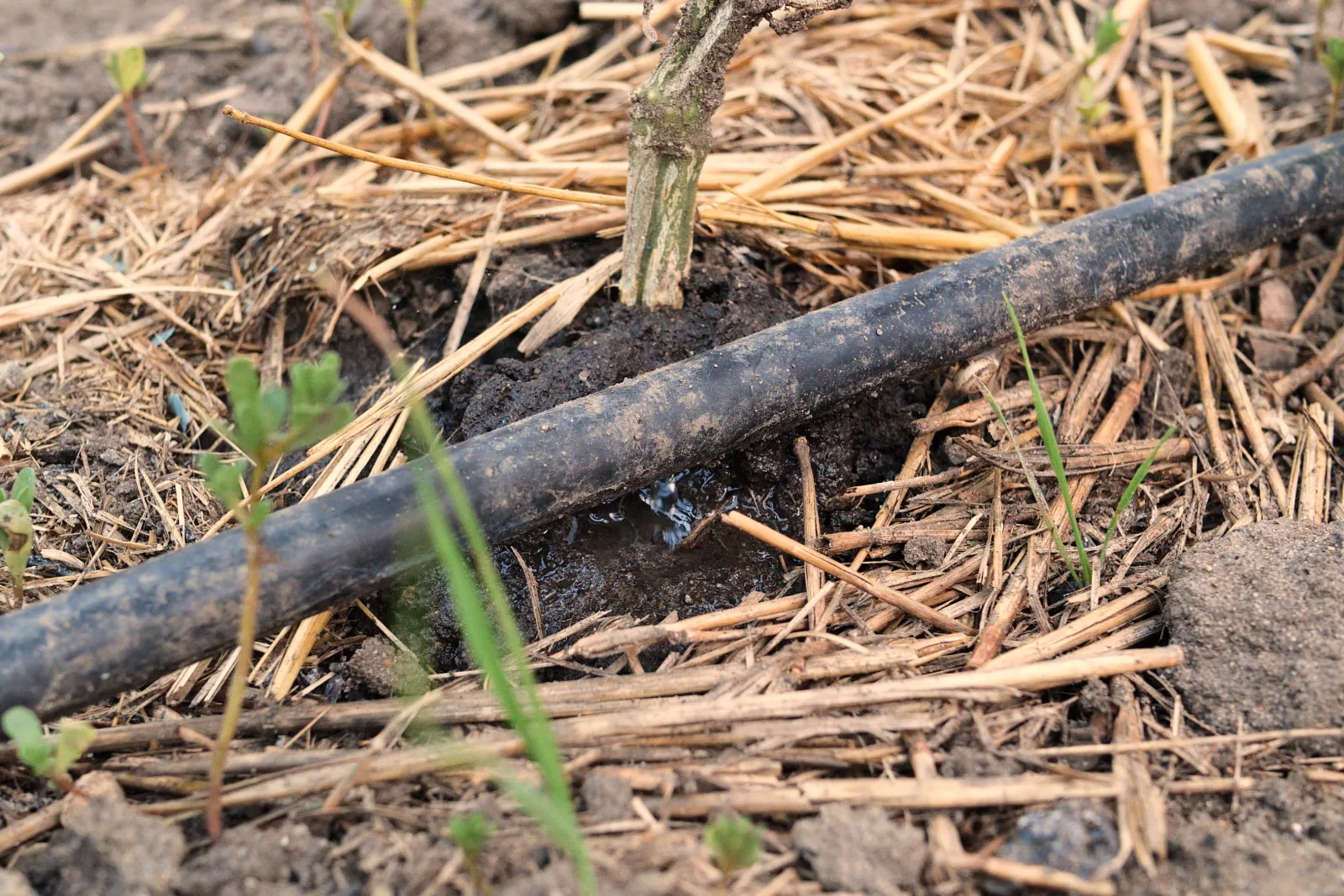
A slow leak like the one pictured here, water pooling under the line instead of reaching the emitter, is one of the most common calls in the Valley, because a pinhole crack in sun-baked tubing is easy to miss under rock mulch until a plant nearby starts wilting. A tech who works Phoenix yards checks under the mulch first, not just at the visible fittings.
Homeowners near Sunnyslope and Laveen, where lots often back up to desert washes, also deal with more gopher activity than the rest of the Valley, worth mentioning when you book if that's a pattern in your yard.
How ShowUp Promise Connects You With a Drip Repair Pro
Describe what's wrong, a dead zone, a soggy spot, clogged emitters, a line split near the pool deck, and we match you with an available, vetted drip irrigation pro from our network of trusted contractors in Phoenix.
You review a written scope and price before signing anything, pay securely in-app, and track the repair from diagnosis to finished flush test. Because every pro in the network is already licensed, insured, and background-checked, you skip the part where you're vetting a stranger before letting them dig around your irrigation lines.
No stack of contractor calls and no obligation to take the first bid, just a faster, more accountable path to plants that are actually getting water again.
The ShowUp Guarantee
Every drip irrigation pro in the ShowUp Promise network is vetted, licensed, insured, and background-checked before they ever reach your property. You approve the scope and price before work starts, and if a pro doesn't show for a scheduled visit, you don't pay, the system automatically works to reassign your job to the next available verified pro so a leaking line never sits unfixed.
What Drip System Repair Costs in Phoenix
Most Phoenix drip repairs run $95 to $350, with a handful of clogged or split emitters landing at the low end and a zone valve rebuild or a mainline splice after gopher damage pushing toward the middle and high end of that range.
A full drip-zone re-plumb, replacing most of the tubing and emitters after years of UV damage, can reach $400 to $900 depending on how many plants and how much line footage are involved. Extending a system to cover new landscaping costs more than repairing an existing one.
With ShowUp Promise you see an itemized quote naming exactly what failed, what it costs to fix, and the total price before you approve anything, so a simple emitter swap never turns into a surprise system replacement.
Zone Valves, Solenoids, and Pressure Regulators
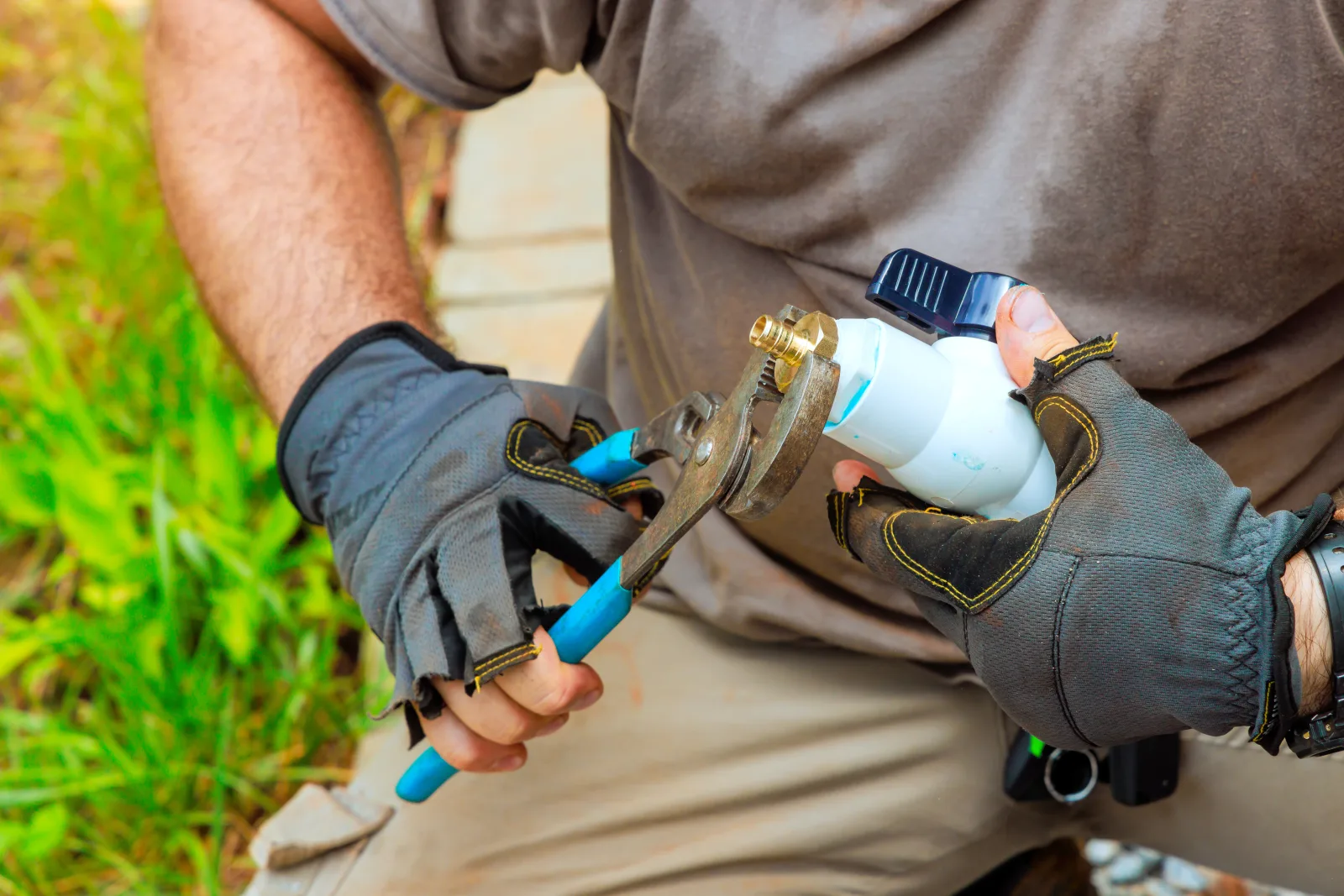
When a whole drip zone stays dead instead of just a few emitters, the fix is almost always at the valve, not the tubing. A tech tests the solenoid and controller wiring with a multimeter, then rebuilds or replaces the valve, often a same-visit fix once the real cause is isolated instead of guessed at.
Drip zones also need their own pressure regulator, since running full sprinkler-line pressure through emitters blows lines apart at the fittings. Part of a proper repair is confirming that regulator is still holding the zone at the low pressure drip tubing is built for.
A pro can also install a WaterSense-labeled smart controller in the same visit, which the EPA certifies to cut outdoor water use by adjusting run times to actual weather, a real payback on a Phoenix water bill once the repair is done.
Signs Your Drip System Needs a Repair, Not a Replacement
A wilting plant next to ones that look fine, a soggy patch of mulch with no visible source, a zone that used to run and now doesn't, or a hissing sound from underground are all signs of a fixable, contained problem, not a reason to tear out the whole system.
A full teardown only makes sense when tubing throughout the yard has gone brittle at once, usually after eight to ten Phoenix summers of full UV exposure. Short of that, most calls are a handful of emitters, one bad valve, or a single chewed or cracked run, a targeted repair, not a rebuild.
DIY fixes work for a single obviously-broken emitter you can see. Anything involving a buried mainline, a valve box, or a zone that won't respond to the controller is worth a pro who can pressure-test and isolate the actual cause instead of guessing and re-digging.
Serving Phoenix and the Whole Valley
ShowUp Promise matches homeowners with drip irrigation pros across Phoenix and the wider Valley, from Arcadia and Ahwatukee to neighborhoods near Desert Ridge and along Loop 101, out to Mesa, Scottsdale, Chandler, Gilbert, Glendale, Peoria, Surprise, and Goodyear. Wherever your yard is, there's likely a licensed drip irrigation pro nearby who already knows Valley water and soil.
Working on the rest of the yard at the same time? The same network covers sprinkler and irrigation repair in Phoenix, landscape drainage in Phoenix, synthetic grass installation in Phoenix, turf installation in Phoenix, landscape lighting in Phoenix, patio builders in Phoenix, backyard putting green installation in Phoenix, residential landscape architects in Phoenix, full-service landscaping in Phoenix, a Phoenix landscape contractor, tree trimming in Phoenix, emergency tree removal in Phoenix, weed control in Phoenix, cactus removal in Phoenix, and commercial landscape maintenance in Phoenix. You can also browse all of our trusted contractors in Phoenix in one place.
Drip System Repair Phoenix FAQ
How Much Does Drip System Repair Cost in Phoenix?
Why Do My Drip Emitters Keep Clogging in Phoenix?
Why Is My Drip Line Cracked or Split?
Can Gophers or Rabbits Really Damage a Buried Drip System?
One of My Drip Zones Won't Turn On, What's Wrong?
Can You Fix Just My Drip System and Leave My Sprinklers Alone?
Do I Need a Permit for Drip Irrigation Repair in Phoenix?
Get Your Phoenix Drip System Fixed
Match with a licensed, insured, background-checked drip irrigation pro who already knows how Phoenix hard water and heat wear down a system, itemized scope and price before any repair starts.