Patio Builders in Phoenix, Arizona
Patio builders in Phoenix are dealing with a different backyard than a builder in Ohio or Oregon, the base, the material, and the shade all have to survive a real Arizona summer, not just look good in the after photos.
Describe the patio you want and get matched with a vetted, licensed, insured patio builder who already works in your part of the Valley.
No app to download. Works right in your browser.
ShowUp Guarantee, no-show means no pay.
Typical range: $15–$30 per sq ft installed, by material and scope.
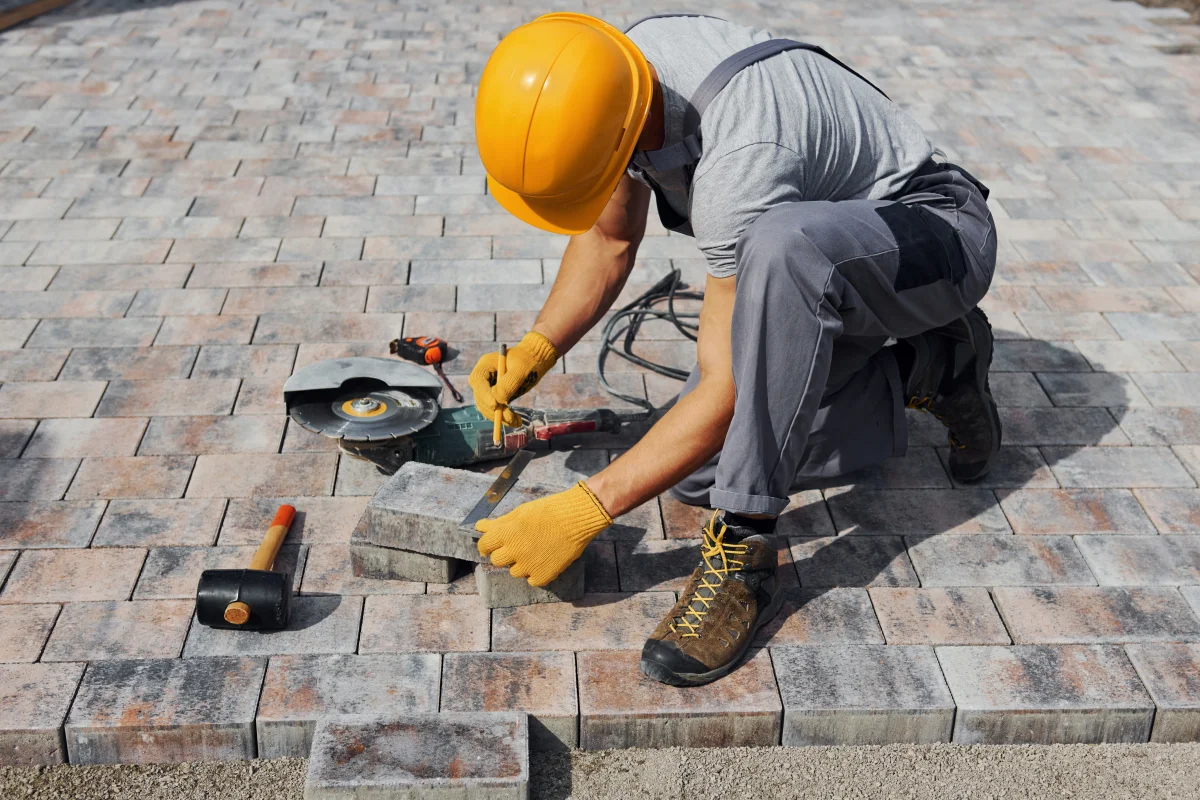
A Phoenix Backyard Needs a Patio Built for the Heat, Not Just the Photos
A paver or concrete patio here has to handle summer surface temperatures that can blister bare feet by mid-morning, monsoon downpours that test drainage grading in minutes, and soil that shifts more than homeowners moving from cooler climates expect. A builder who only knows one region's ground conditions can get the base wrong in ways that do not show up until the first real monsoon season.
Homeowners usually reach out for one of two reasons: they are planning a new outdoor-living space from scratch, or an older patio has started cracking, settling, or holding water after a few Arizona summers. Either way, the real question is whether the builder pulling the permit and grading the base is actually licensed and insured, not just cheaper than the last quote.
ShowUp Promise answers that up front: describe the patio you want and we match you with a vetted, licensed, insured, background-checked patio builder, with an itemized scope and price you approve before any work starts.
What a Phoenix Patio Build Typically Covers
A properly scoped patio project in the Valley usually includes:
- Site excavation and base grading built for drainage away from the home
- Compacted base and bedding sand or a properly reinforced concrete slab
- Paver, stamped-concrete, or travertine surface installation and sealing
- Covered ramada, pergola, or shade structure design and construction
- Outdoor kitchen or fire-feature tie-ins, including gas and electrical rough-in
- Permit pulling and HOA design-review submittal where required
- Edge restraints and expansion joints sized for Arizona heat cycling
- A written scope naming the exact paver or concrete product before work starts
Built Around Phoenix Heat, Monsoon Drainage, and HOA Standards
Backyards near Arcadia and Paradise Valley often pair a paver patio with mature shade trees and a pool deck, which means the builder has to match paver color and pattern to an existing pool surround without creating a slip hazard once the surface gets wet. Newer builds out toward Ahwatukee and along Loop 101 tend to start from bare dirt, so the base grading and drainage plan matter even more since there is no existing hardscape to learn from.
Monsoon season (July through September) is the real stress test. A patio graded even slightly wrong can pool water against the foundation during a single storm, so Valley builders slope the base away from the home and often add a drain line before the first paver ever goes down.
HOA-governed communities near Desert Ridge and the Camelback Corridor typically require design-review approval before a covered patio or ramada goes up, especially if it is visible from the street or changes the roofline. A builder who already has a design on file with a specific HOA moves through approval faster than one submitting cold.
Material choice matters more here than in milder climates too, a light-colored paver or travertine stays noticeably cooler underfoot by early afternoon than a dark stamped-concrete slab, which is why barefoot pool decks in the Valley lean toward lighter tones.
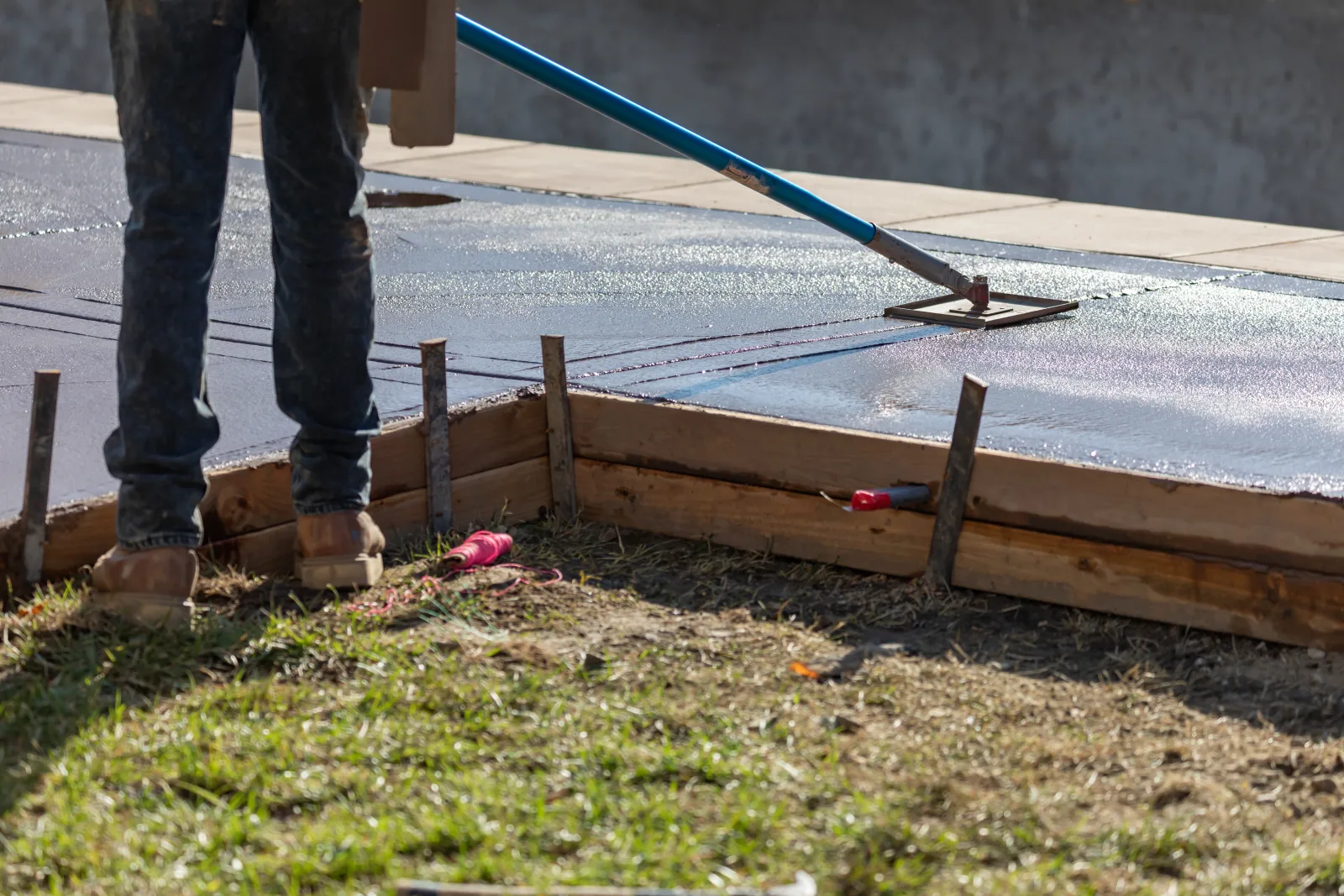
How ShowUp Promise Connects You With a Patio Builder
Describe the patio, square footage, paver or concrete, covered or open, any outdoor kitchen or fire-feature plans, and we match you with an available, vetted patio builder from our network of trusted contractors in Phoenix.
You review a written scope and price before signing anything, pay securely in-app, and track the project from base grading to final walkthrough. Because every builder in the network is already licensed, insured, and background-checked, you skip the part where you are vetting a contractor's paperwork yourself before letting them start digging in your backyard.
No stack of contractor calls and no obligation to sign the first bid, just a faster, more accountable path to a patio that is actually built for a Phoenix summer.
The ShowUp Guarantee
Every patio builder in the ShowUp Promise network is vetted, licensed, insured, and background-checked before they ever set foot on your property. You approve the scope and price before work starts, and if a crew does not show for a scheduled work day, you do not pay, the system automatically works to reassign your project to the next available verified pro so your backyard never sits half-finished.
What Patio Builders Cost in Phoenix
A basic paver or stamped-concrete patio typically runs $15 to $30 per square foot installed, so a 300-square-foot patio lands around $4,500 to $9,000. A covered ramada, outdoor kitchen, or fire feature can push a full backyard build to $20,000 or more.
Material choice moves the price more than square footage alone, travertine and natural stone cost more upfront than standard concrete pavers, while poured or stamped concrete is usually the least expensive option but has the highest long-term crack risk under Arizona's heat cycling. Permit fees, HOA-required drawings, and gas or electrical rough-in for an outdoor kitchen are typically billed separately from the base patio.
With ShowUp Promise you see an itemized scope naming the exact material, the base preparation included, and the full price before you sign a contract, so there are no surprise line items once excavation starts.
Signs Your Old Patio Needs Replacing, Not Just Patching
Homeowners usually do not wait for one specific problem, but these are the signs that push a full rebuild instead of a patch job:
- Cracks that keep widening year over year instead of staying hairline
- Standing water after a monsoon storm that never fully drains
- Pavers or slab sections that have visibly sunk or shifted
- A surface so hot underfoot by mid-morning that the patio goes unused all summer
- No covered area at all, so the space is only usable a few months a year
- A patio that was never permitted or HOA-approved and is now flagged in a resale inspection
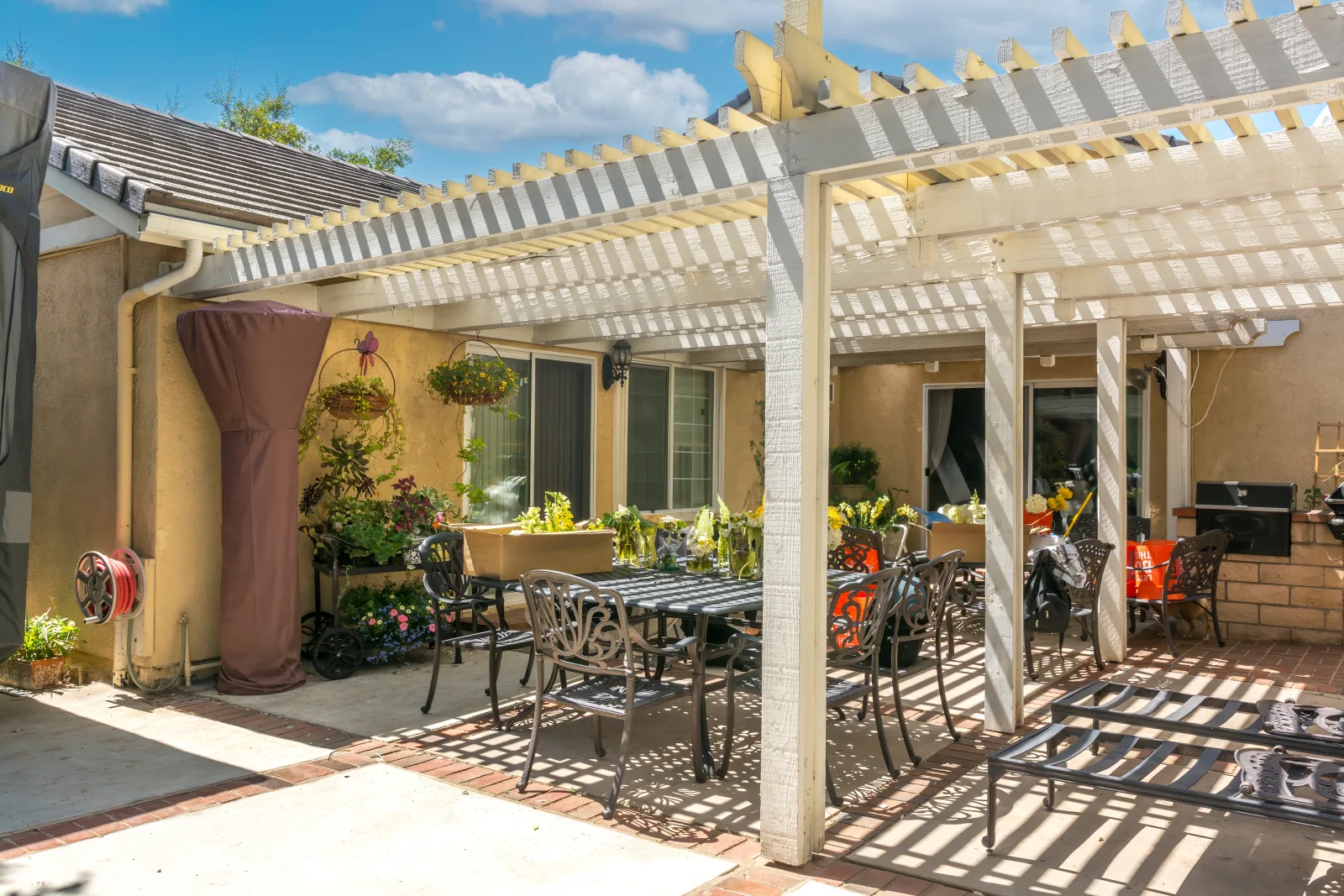
Pavers or Poured Concrete, What Actually Holds Up Here
Interlocking pavers flex slightly as the ground shifts with monsoon moisture and summer heat, so they resist cracking better than a single poured slab, and if one paver does crack or stain, a builder can pull and replace just that piece instead of redoing the whole patio.
Poured or stamped concrete costs less per square foot upfront and gives a clean, seamless look that some homeowners prefer for a modern build. The tradeoff is that a large slab is more prone to expansion cracking after repeated Arizona summers of extreme daytime heat and rapid overnight cooling, especially without properly spaced control joints.
Either material works when it is installed with a base built for Valley conditions , which is why the base grading and compaction step matters as much as the surface material itself.
Serving Phoenix and the Whole Valley
ShowUp Promise matches homeowners with patio builders across Phoenix and the wider Valley , from Arcadia and Paradise Valley, to Ahwatukee and communities along Loop 101, to Mesa, Scottsdale, Chandler, Gilbert, Glendale, Peoria, Surprise, and Goodyear. Wherever your backyard is, there is likely a licensed patio builder nearby who already knows that area's soil and HOA rules.
If your outdoor-living project needs other trade work outside the patio itself, the same network also covers full-service landscaping in Phoenix, a general Phoenix landscape contractor, residential landscape architects in Phoenix, landscape lighting in Phoenix, sprinkler and irrigation repair in Phoenix, landscape drainage in Phoenix, turf installation in Phoenix, synthetic grass installation in Phoenix, tree trimming in Phoenix, emergency tree removal in Phoenix, weed control in Phoenix, cactus removal in Phoenix, and commercial landscape maintenance in Phoenix. You can also browse all of our trusted contractors in Phoenix in one place.
For patio and hardscape permit requirements specific to the city, the City of Phoenix residential permits page outlines when a building permit applies to a new patio, ramada, or outdoor kitchen addition.
Patio Builders Phoenix FAQ
How Much Does It Cost to Hire Patio Builders in Phoenix?
Do I Need a Permit to Build a Patio in Phoenix?
Does My HOA Have to Approve My New Patio?
Pavers or Poured Concrete, Which Holds Up Better in Arizona?
How Long Does a Patio Build Take?
What Should I Ask a Patio Builder Before Signing a Contract?
Get Your Phoenix Patio Quoted
Match with a licensed, insured, background-checked patio builder who shows up ready to work , itemized scope and price before any contract starts.