Cactus Removal in Phoenix, Arizona
Cactus removal in Phoenix means more than swinging a shovel at a prickly pear, a leaning saguaro, an overgrown cholla stand, or a barrel cactus crowding your walkway each need the right technique, and sometimes a state permit, before the first cut.
Describe your cactus and get matched with a vetted, background-checked Phoenix landscaping pro.
No app to download. Works right in your browser.
ShowUp Guarantee, no-show means no pay.
Cactus removal typically runs $150–$2,500 in Phoenix, depending on size.
Removed Safely, Without Damaging What's Around It
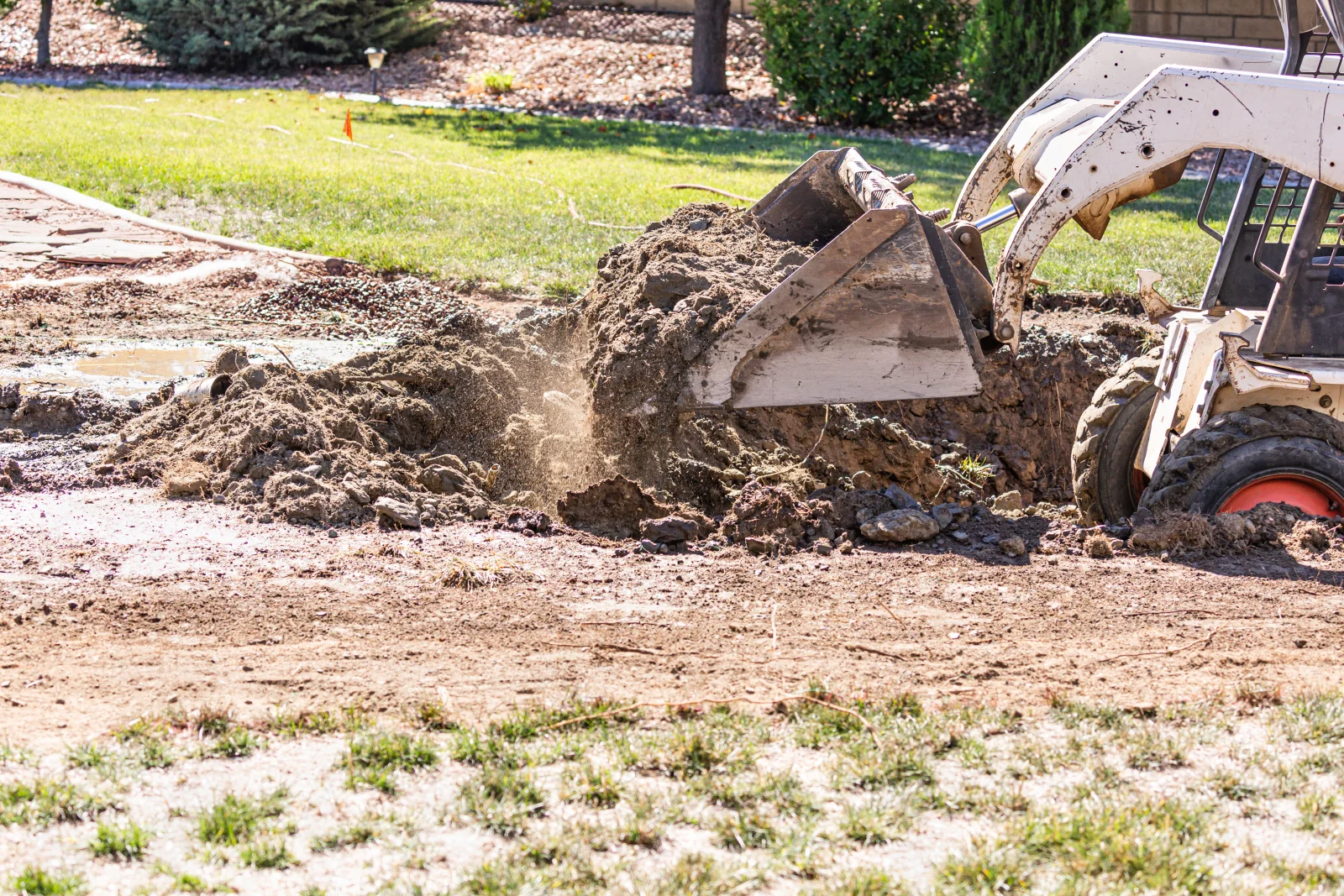
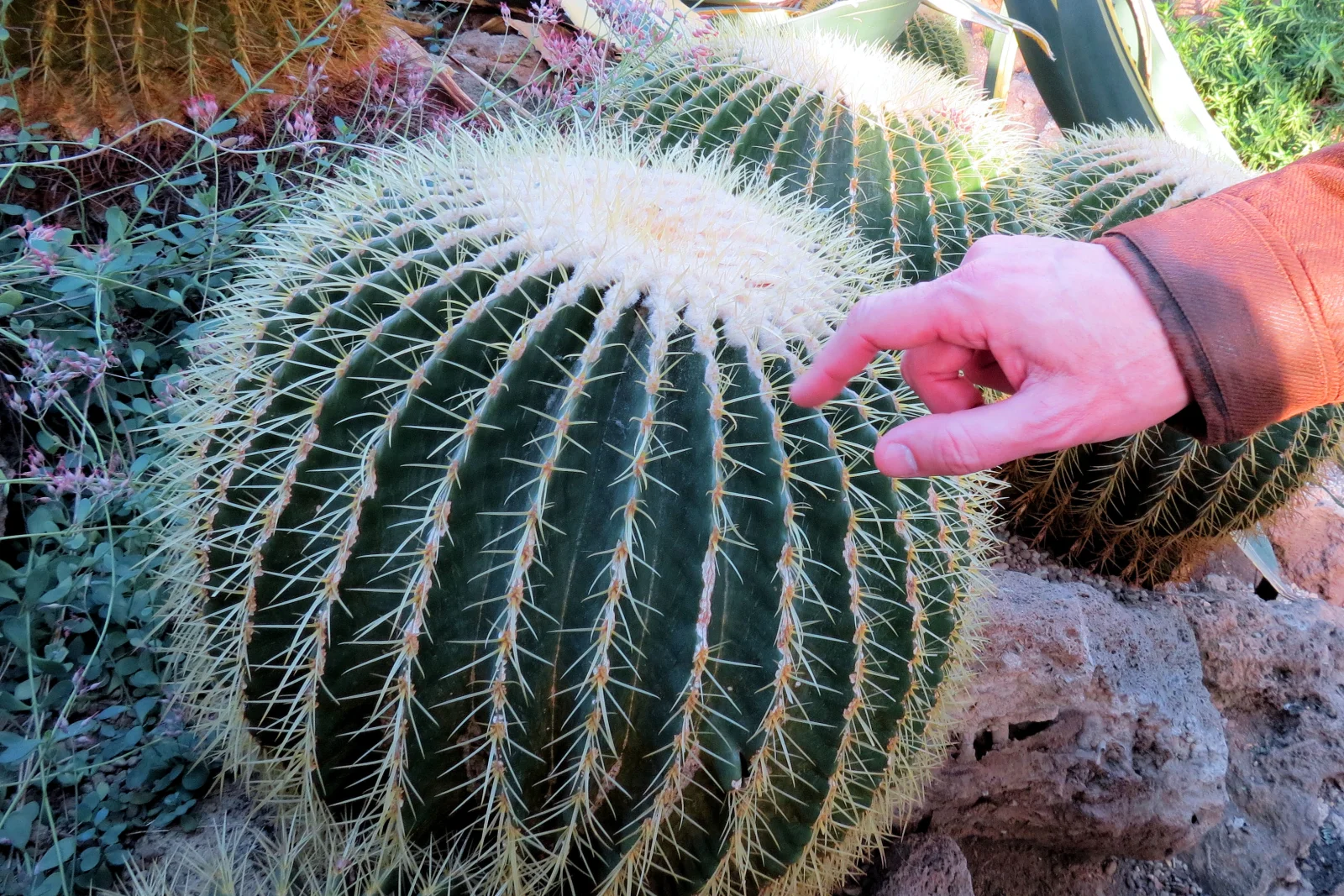
A cactus is not just another plant to dig up. A mature saguaro can weigh several thousand pounds and needs to be roped and lowered in a controlled direction, not just cut and left to fall toward a fence, a pool, or a parked car. Prickly pear pads and cholla segments detach and embed barbed spines with almost no pressure at all, which is exactly how most DIY removals end up sending someone to urgent care.
On top of the physical risk, some cacti in Arizona are legally protected. Removing certain native species the wrong way is not just risky, it can be a legal problem too.
Disposal is the other part homeowners tend to underestimate. Standard curbside green-waste programs will not take spined material, so removed pads, arms, and stumps have to be bagged or hauled separately, something a pro already has the equipment and route for, instead of you making multiple trips with a truck bed full of cactus.
ShowUp Promise matches you with a licensed, insured, background-checked Phoenix landscaping pro who assesses the cactus, confirms whether a permit applies, and quotes the removal , including haul-off, before any cutting starts.
Cactus Removal Jobs Phoenix Pros Handle
Typical scope for a cactus removal project includes:
- Leaning or root-compromised saguaros too close to a house, patio, or power line
- Overgrown prickly pear clumps that have taken over a walkway or side yard
- Cholla removal near a pool, play area, or high-traffic path
- Dead or diseased cactus removal, including bacterial necrosis cases
- Barrel cactus and agave thinning ahead of a hardscape or pool project
- Stump and root removal after a cactus is cut down
- Careful relocation for a healthy cactus that just needs to move, not go
Built Around Phoenix's Desert Landscaping, and Its Cactus Law
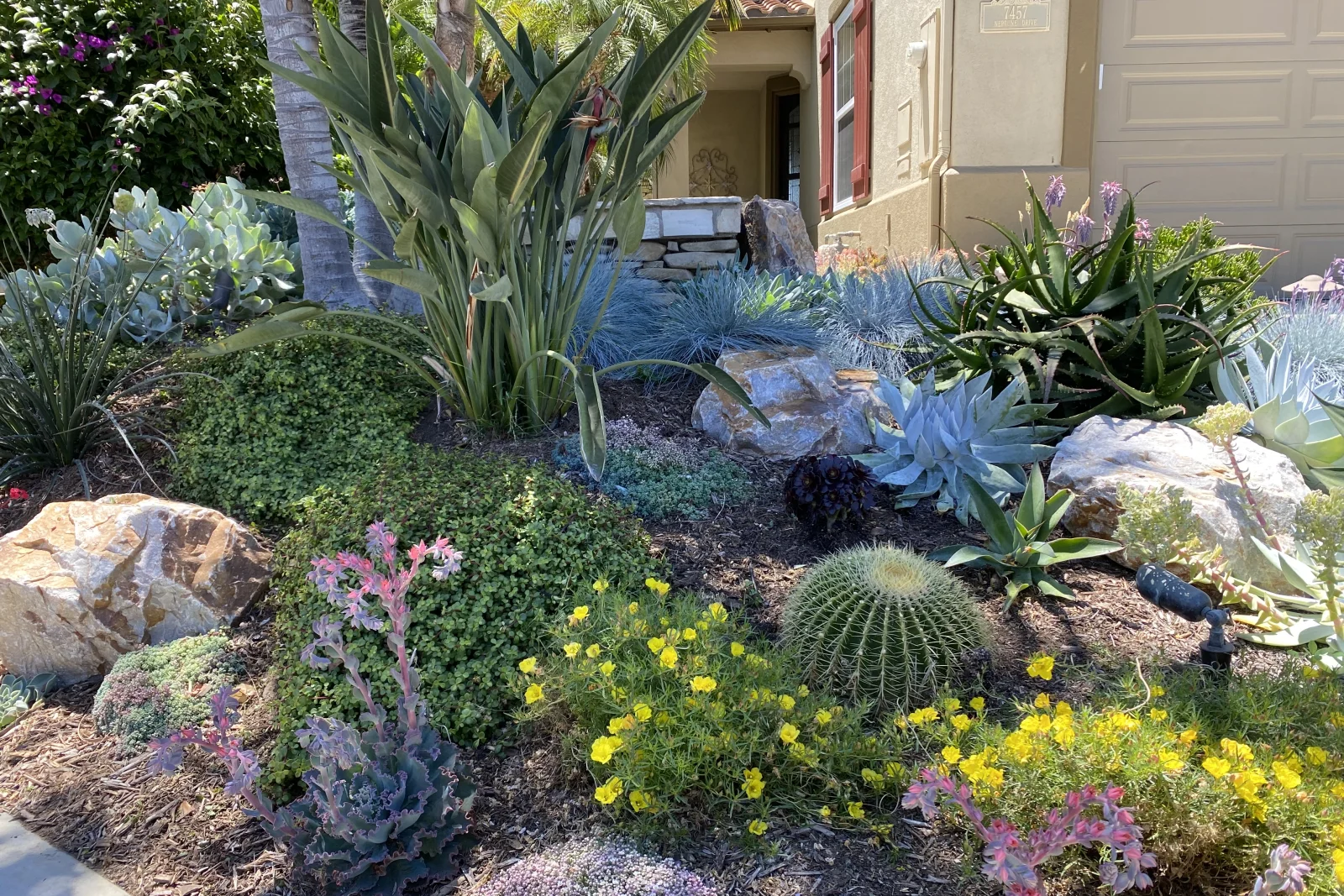
Xeriscaped front yards near Desert Ridge and along Loop 101 often carry mature saguaros and barrel cactus planted decades ago; older properties around Arcadia and the Camelback Mountain foothills tend to have overgrown prickly pear that has slowly swallowed a side yard or path. Out toward Anthem and the Cave Creek Road corridor, native cacti left over from the original desert lot are common, while newer builds near Ahwatukee and North Phoenix often just need a barrel cactus or agave thinned before a pool or patio goes in.
Arizona takes native plant removal seriously. Under the Arizona Native Plant Law, a saguaro over four feet tall cannot legally be moved, salvaged, or destroyed without a permit, tag, and seal from the Arizona Department of Agriculture, and landowners must notify the department 20 to 60 days before the work. Skipping that step is a class one misdemeanor, not a fine most homeowners want to find out about after the fact.
A pro who works cactus removal in the Valley regularly knows which species and sizes trigger that permit process and handles the notification for you, instead of leaving you to research Arizona statute on your own.
Saguaros get the most attention, but they are not the only cactus the law covers. Organ pipe cactus and several other native species carry the same permit requirement, and HOA-governed communities near Desert Ridge and Anthem often add their own design-review step on top of the state process if the cactus sits in a common or front-facing area. A pro who has pulled permits in your specific municipality already knows which box to check first.
How ShowUp Promise Connects You With a Pro
Tell us about your cactus, a leaning saguaro, an overgrown prickly pear, a cholla stand near the pool, and we match you with an available, vetted landscaping pro from our network of trusted contractors in Phoenix.
You see and approve an upfront quote before any cutting starts, pay securely in-app, and track your pro's arrival. Because every contractor in the network is already licensed, insured, and background-checked, you skip the part where you wonder whether the person about to bring down a several-thousand-pound saguaro near your house actually knows what they're doing.
No app download, no obligation to book the first quote, just a faster, safer path to a yard without the cactus problem.
The ShowUp Guarantee
Every pro in the ShowUp Promise network is vetted, licensed, insured, and background-checked before they ever reach your job site. You approve the price before work starts, and if a pro does not show, you do not pay, the system automatically works to reassign your job to the next available verified pro so a scheduled removal never turns into a wasted week with a leaning cactus still standing.
What Cactus Removal Costs in Phoenix
Small, easily reachable cacti typically run $150 to $300, medium cacti (thicker prickly pear clumps, cholla stands) run $300 to $800, and large or mature specimens run $800 to $2,500 or more depending on weight and access.
Saguaros are priced by arm count: no-arm saguaros run roughly $245 to $590, one-to-three-arm saguaros run $595 to $890, and saguaros with four or more arms run $895 to $1,490. Stump grinding, hauling, and disposal are usually itemized separately.
With ShowUp Promise you see an itemized quote based on the exact cactus, its size, and your yard access before a single cut is made, so there are no surprise add-ons once the crew is on site.
Relocating a healthy cactus instead of removing it usually costs more than a straight removal, since it needs careful root-balling and, for a saguaro over four feet, the same Arizona Native Plant Law permitting as removal, but many homeowners find it worth the difference to keep a decades-old saguaro alive rather than send it to disposal.
Signs Your Cactus Needs to Come Out
Not every cactus needs to go, a healthy saguaro or barrel cactus supports Phoenix pollinators and desert birds, so a good pro will tell you when selective trimming is enough instead of a full removal. Phoenix homeowners typically reach out for full removal when they notice:
- A saguaro leaning noticeably toward the house, a fence, or a power line
- Soft, dark, wet-looking patches on the trunk, a sign of bacterial necrosis
- Prickly pear or cholla that has spread into a walkway, driveway, or play area
- A cactus blocking an upcoming pool, patio, or hardscape project
- Cactus debris or fallen pads creating a spine hazard for kids or pets
- A cactus that survived a monsoon storm with exposed or damaged roots
What Happens on Removal Day
- 1Assess and confirm permitting. The pro inspects the cactus, confirms its species and size, and checks whether Arizona Native Plant Law permitting applies before scheduling the work.
- 2Protective setup. Puncture-resistant gloves, eye protection, and (for larger cacti) rigging and rope are staged before the first cut, protecting your landscaping and hardscape too.
- 3Cut, lower, or dismantle. Small cacti are cut and bagged section by section; larger saguaros are roped and lowered in a controlled direction, never left to fall.
- 4Root removal, relocation, or haul-off. If the cactus is healthy and just in the wrong spot, relocation to another part of your yard, a nursery, or a native-plant salvage program is discussed as an alternative to full removal. Otherwise the stump and root ball are removed if requested, and all spined material is hauled off, never left for a standard green-waste bin.
Serving Phoenix and the Whole Valley
ShowUp Promise matches homeowners with landscaping pros across Phoenix and the wider Valley , from established desert lots near Arcadia, Ahwatukee, and the Camelback Mountain foothills to newer communities out near Desert Ridge and along Loop 101, plus Mesa, Scottsdale, Chandler, Tempe, Gilbert, Glendale, Peoria, Surprise, and Goodyear. Wherever your cactus is planted, there is likely a licensed pro nearby who has handled a Phoenix-style saguaro or prickly pear removal before.
Once your cactus is gone, the same network covers the rest of your yard, like full-service landscaping in Phoenix, a residential landscape architect in Phoenix, emergency tree removal in Phoenix, tree trimming in Phoenix, turf installation in Phoenix, synthetic grass installation in Phoenix, weed control in Phoenix, landscape drainage in Phoenix, landscape lighting in Phoenix, and sprinkler repair in Phoenix. You can also browse all of our trusted contractors in Phoenix in one place.
Cactus Removal Phoenix FAQ
How Much Does Cactus Removal Cost in Phoenix?
Do I Need a Permit to Remove a Saguaro Cactus in Phoenix?
Can I Remove a Cactus Myself?
What Happens to the Cactus After It Is Removed?
How Do I Know If My Cactus Needs to Be Removed Instead of Trimmed?
What Is the Best Time of Year for Cactus Removal in Phoenix?
Get Your Phoenix Cactus Removed Safely
Match with a vetted, licensed, insured Phoenix pro who handles the removal, the permitting, and the cleanup.