Mini Split Install in Phoenix
A Phoenix mini split install gives a room that never had ductwork, an addition, a garage conversion, a casita, real cooling and heat without tearing into your walls or extending your attic ducts.
Tell us about the space and get connected with a background-checked Phoenix HVAC pro who sizes it right and installs it clean.
No app to download. Works right in your browser.
ShowUp Guarantee, no-show means no pay.

Signs a Ductless Mini Split Is the Right Call
A room addition, a garage that got converted into a bedroom or office, a detached casita, or a bonus room over the garage that never got tied into the main ductwork are the classic cases for a mini split. Extending existing ducts to reach a new space is often more disruptive and more expensive than running one thin refrigerant line through a small wall penetration instead.
A window unit or portable AC can limp a space through summer, but neither one handles Phoenix heat well, and both are loud, inefficient, and gone the moment you want the room to look finished. A mini split is a permanent, quiet, wall- or ceiling-mounted system built to actually keep up with a 115-degree afternoon.
ShowUp Promise takes the guesswork out of finding a trustworthy installer: describe the room and what it needs, and we match you with a vetted, licensed, insured, background-checked HVAC pro near you , and if they do not show, the ShowUp Guarantee means you do not pay.
How a Ductless Mini Split System Works
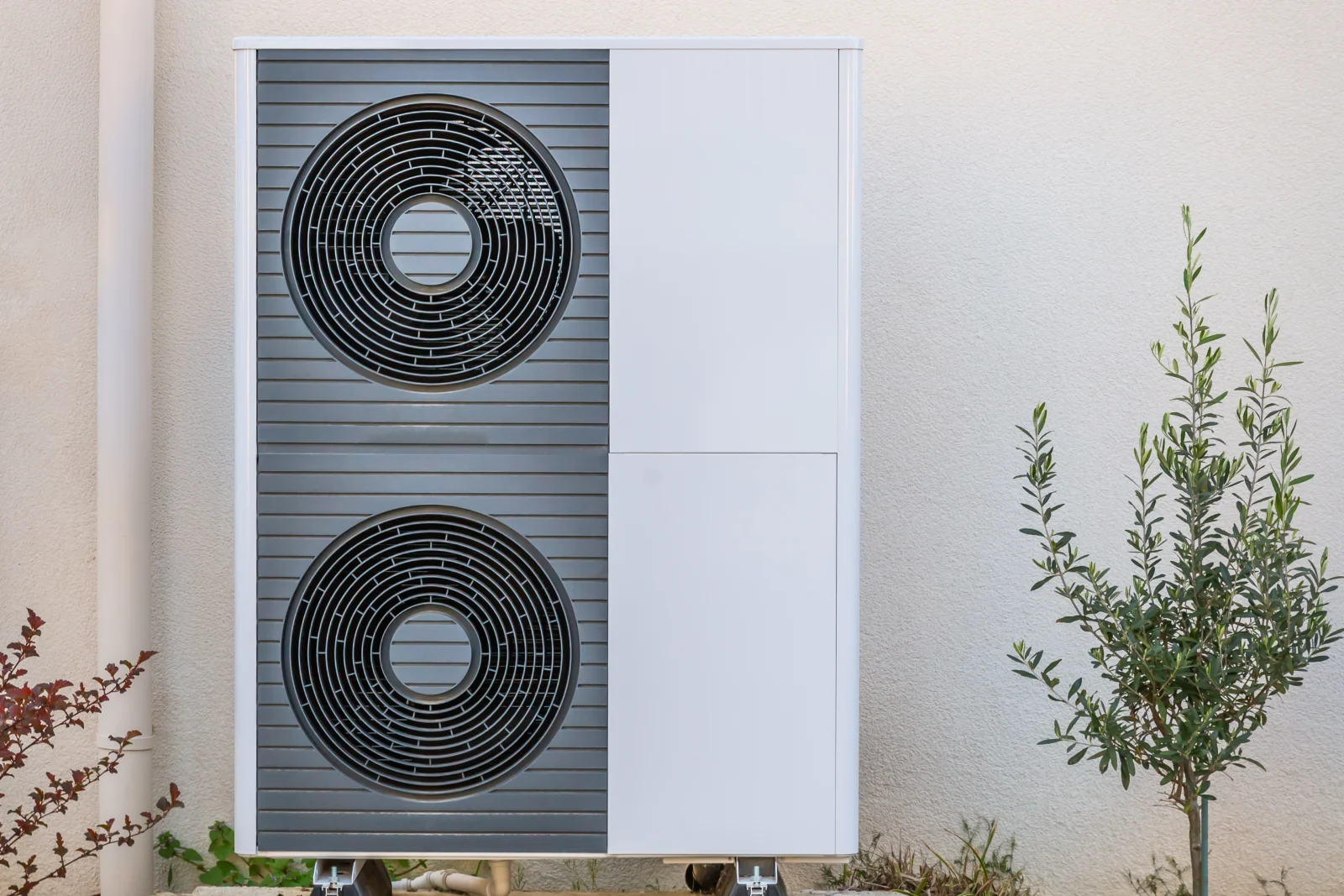
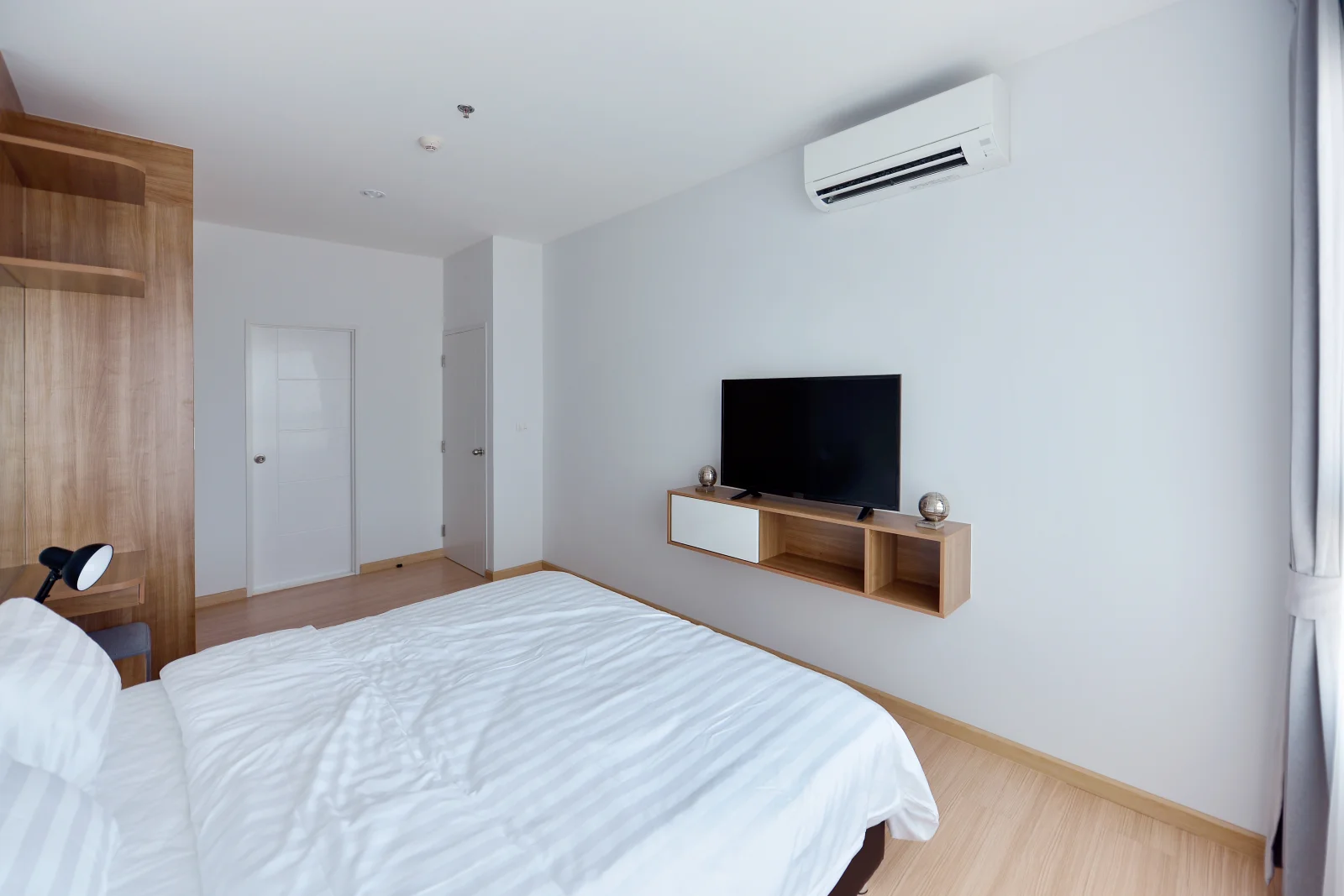
A mini split has two main parts: an outdoor condenser, set on a pad against an exterior wall, and one or more indoor heads mounted high on a wall or ceiling in the rooms they serve. A thin refrigerant line set, power wiring, and a condensate drain run between them through a single small hole in the wall, there is no ductwork to install, insulate, or lose energy through along the way.
Each indoor head is its own "zone" with its own remote or app control, so a bedroom addition can run cooler at night than the rest of the house without touching a central thermostat. A single-zone system connects one outdoor condenser to one indoor head; a multi-zone system connects one outdoor condenser to several heads across different rooms.
Because most mini splits are heat pumps, the same indoor head cools in summer and reverses to heat in winter, so one compact system covers both seasons in the space it serves.
What Mini Split Installation Actually Involves
A clean installation is more than screwing a box to the wall. A thorough job through the ShowUp Promise network covers:
- A room-by-room load calculation to size each indoor head to the space it actually serves
- Mounting the indoor head level, at the right height, with clearance for airflow and filter access
- Routing the refrigerant line set, power wiring, and condensate drain through one small wall penetration
- Setting the outdoor condenser on a level pad with proper clearance from the wall and any landscaping
- Pulling a deep vacuum on the line set before charging it to the manufacturer's exact specification
- Running a dedicated electrical circuit sized to the system, with a disconnect at the outdoor unit
- Pairing the indoor head's remote or app control and testing both heating and cooling modes
- A final walkthrough covering airflow direction, filter cleaning, and how to use the zone controls
Single-Zone or Multi-Zone: Picking the Right Setup
A single-zone system pairs one outdoor condenser with one indoor head, sized for one room, the most common setup for a garage conversion, a home office addition, or a standalone casita. It is the simplest install and usually the least expensive way to condition one space that ducts do not reach.
A multi-zone system pairs one larger outdoor condenser with two to five indoor heads, each with its own independent thermostat, which fits a whole wing of a home that was never ducted or several separate rooms that each need their own temperature control without running multiple outdoor units.
The outdoor condenser has to be sized to the combined load of every head connected to it, not just added up room by room, so a pro who installs mini splits across Phoenix regularly runs that calculation as a standard part of the quote rather than guessing at tonnage.
Where Ductless Makes the Biggest Difference in Phoenix Homes
Plenty of central Phoenix homes in neighborhoods like Encanto-Palmcroft, Coronado, and Willo were built decades before central ducted AC was standard, and many still lean on an aging evaporative cooler or a string of window units to get through the summer. A mini split gives those homes real, zoned air conditioning room by room without opening up walls and ceilings to run ductwork through a house that was never designed for it.
It is just as common near Arcadia and Ahwatukee for a garage conversion or a new room addition to sit just outside the reach of the main system's ducts, and along the Melrose District and 7th Street corridor, older bungalows facing the same retrofit problem often solve it the same way. Whether the home is close to Camelback Road or out past Loop 101, the same logic applies: one line set, one small wall penetration, no attic work.
Monsoon season adds humidity Phoenix homes do not deal with the rest of the year, and a mini split's inverter-driven compressor modulates output to match that swing instead of hard-cycling on and off the way an older window unit does.
SEER2 Ratings and Brand Options
Ductless systems routinely out-perform comparable ducted equipment on efficiency simply because there is no duct loss working against them, many inverter-driven mini splits land in the low-to-mid twenties SEER2, and premium models climb higher still. In a climate that runs cooling most of the year, that difference shows up directly on the electric bill.
Mitsubishi, Daikin, LG, Gree, and Fujitsu are among the most common mini split brands installed across the Valley, each offering single-zone and multi-zone lineups with inverter compressors that modulate output instead of simply cycling on and off, a real advantage in a climate with as much temperature swing between a January morning and a July afternoon as Phoenix has.
ENERGY STAR-certified ductless equipment meets efficiency thresholds independently verified by the EPA, and choosing a certified model is often what qualifies a system for utility rebates or federal tax credits on top of the ongoing savings from lower energy use.
What Mini Split Installation Costs in Phoenix
A single-zone mini split installation typically runs $3,500 to $6,500, covering the outdoor condenser, one indoor head, line set, and labor. A multi-zone system connecting two to four indoor heads to one outdoor condenser generally runs $8,000 to $16,000 or more, depending on zone count, tonnage, and any electrical work the job needs.
A straightforward single-zone job with a short line-set run sits toward the lower end of that range. Multiple zones, longer line runs, or an electrical panel upgrade to support a larger multi-zone system push the price higher. Utility rebate programs through APS and SRP can offset part of the cost for qualifying high-efficiency equipment, and federal tax credits may also apply, confirm current offers directly with the utility before finalizing equipment.
With ShowUp Promise you see an itemized, upfront price and approve it before any equipment is pulled, so a mini split installation never turns into an open-ended bill once the job is underway.
Built for Phoenix's Heat and Older Housing Stock
Because most mini splits are heat pumps, the backup gas furnace or electric strip heat a cold-climate installer worries about is barely needed here, a Phoenix winter rarely tests a mini split's heating capacity, so the same compact system that cools a room through July also keeps it comfortable on a rare cold January night.
On the maintenance side, a ductless system needs the same seasonal attention as any HVAC equipment: clean or replace the indoor head's washable filter every few weeks in dusty conditions, keep the outdoor condenser clear of landscaping debris and monsoon-season dust, and have a pro check refrigerant charge and electrical connections annually. A dirty outdoor coil makes the compressor work harder to move the same amount of heat, which matters more in a desert climate than almost anywhere else.
The ShowUp Guarantee
Every HVAC pro in the ShowUp Promise network is vetted, licensed, insured, and background-checked before they ever reach your door. You approve the price before work starts, and if a pro does not show, you do not pay, the system reassigns your job to the next available verified pro instead.
Serving Phoenix and the Whole Valley
ShowUp Promise matches homeowners with HVAC pros across Phoenix and the wider Valley, including Mesa, Scottsdale, Paradise Valley, Chandler, Tempe, Gilbert, Glendale, Peoria, Surprise, and Goodyear. Wherever your home or addition is, there is likely a vetted pro nearby ready to size and install a mini split the right way.
Not sure a mini split is the answer? Our network also handles heat pump installation, ductless AC replacement, heat exchanger repair, mobile home AC repair, furnace repair, thermostat repair, general HVAC service, evaporative cooler repair, duct sealing, dehumidifier installation, and pool heater installation. You can also browse all of our trusted contractors in Phoenix in one place.
Phoenix Mini Split Install FAQ
Can a Mini Split Really Heat and Cool the Same Room?
How Is Mini Split Installation Different From Central AC?
How Many Zones Do I Need?
What SEER2 Rating Should I Look for in Phoenix?
How Much Does Mini Split Installation Cost in Phoenix?
Are There Rebates for Mini Split Installation in Phoenix?
Do I Need a Permit for a Mini Split Install in Phoenix?
How Long Does Mini Split Installation Take?
Get Your Phoenix Mini Split Installed
Tell us about the room or space, then match with a vetted, licensed, insured Phoenix HVAC pro who sizes your new mini split correctly, installs it clean, and shows up when they say they will.