Heat Pump Installation in Phoenix
Heat pump installation in Phoenix gives you one system that cools through the desert summer and heats through mild Valley winters, get matched with a vetted, licensed, insured HVAC pro who sizes it right and installs it clean.
Tell us about your current system and get connected with a background-checked Phoenix HVAC pro who can quote a properly sized, high-SEER2 replacement.
No app to download. Works right in your browser.
ShowUp Guarantee, no-show means no pay.
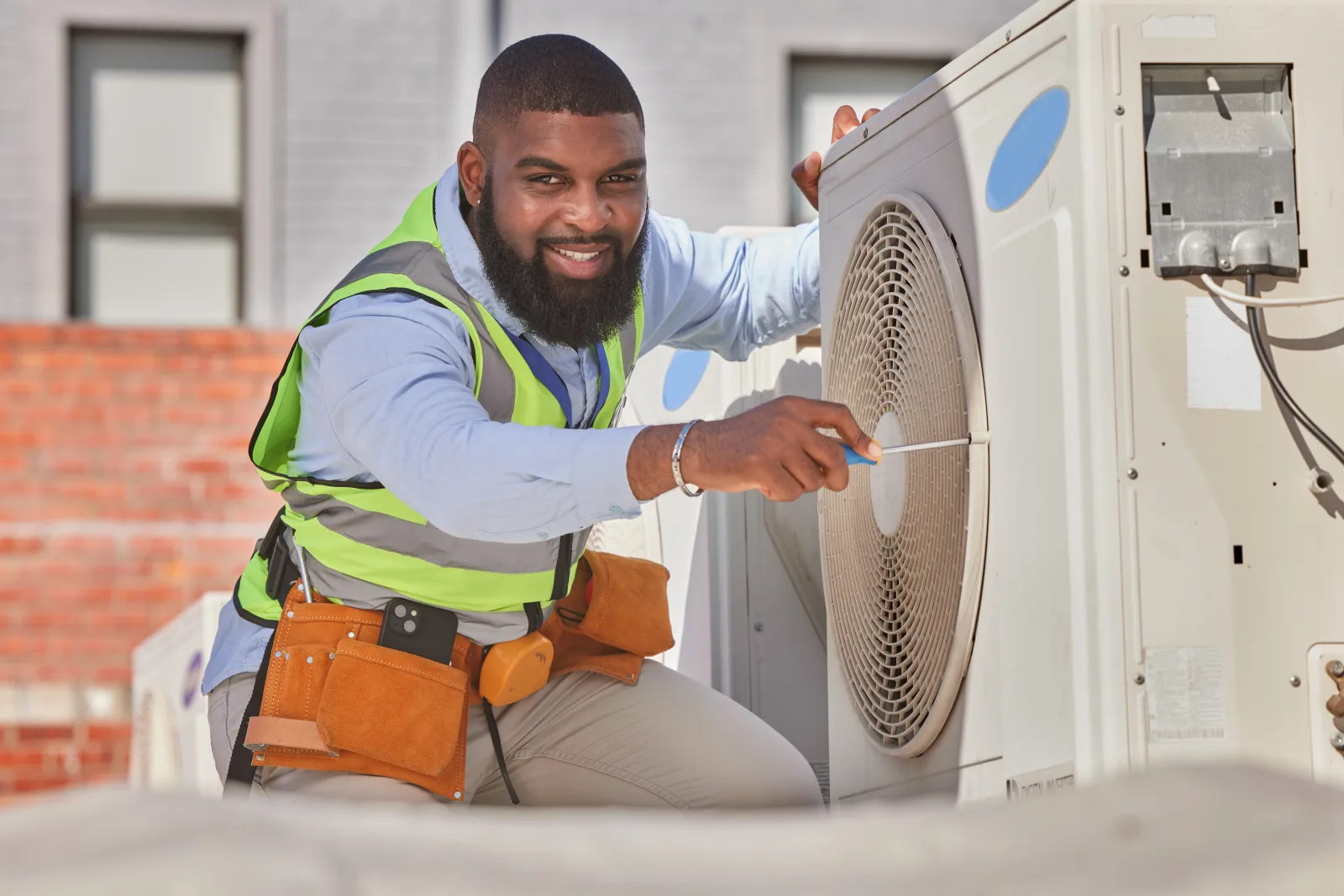
Signs It's Time for a New Heat Pump
An aging AC system that is losing efficiency, an old gas furnace nearing the end of its life, or a home running two separate systems for heating and cooling are all good moments to consider a heat pump instead of a like-for-like replacement. If your current AC is over ten to twelve years old, if you are already budgeting for a furnace replacement, or if your energy bills climb every summer no matter what you do, a heat pump installation solves more than one problem at once.
Phoenix's climate makes the decision easier than almost anywhere else in the country. Winters are mild, so a heat pump rarely needs to work hard to keep a home warm, and summers are long and brutal, so the cooling side of the system gets used most of the year anyway. That combination is exactly what a heat pump is built for, strong cooling performance paired with heating capacity that only has to handle occasional cold nights, not a real winter.
ShowUp Promise takes the guesswork out of finding a trustworthy installer: describe your current system and what is going wrong, and we match you with a vetted, licensed, insured, background-checked HVAC pro near you, and if they do not show, the ShowUp Guarantee means you do not pay.
What a Heat Pump Actually Does
A heat pump uses the same refrigeration cycle as a standard air conditioner to move heat out of your home and cool it in summer. The difference is a reversing valve that lets the system run the cycle backward, pulling heat from the outside air and moving it indoors to warm the house in cooler months, even outside air that feels cold to you still holds enough thermal energy for a heat pump to extract and use.
Because it does both jobs with one outdoor condenser, one indoor coil or air handler, and one thermostat, a heat pump replaces the need for a separate AC and furnace. In a climate like Phoenix, where winter heating demand is light, that means one piece of well-sized equipment can comfortably cover both seasons instead of maintaining two systems that each sit unused for months at a time.
It is genuinely viable as a primary system here in a way it is not in colder climates, where extreme winter lows can outpace a heat pump's heating capacity and require backup electric or gas heat. In the Valley, that backup is rarely needed for more than the occasional cold snap.
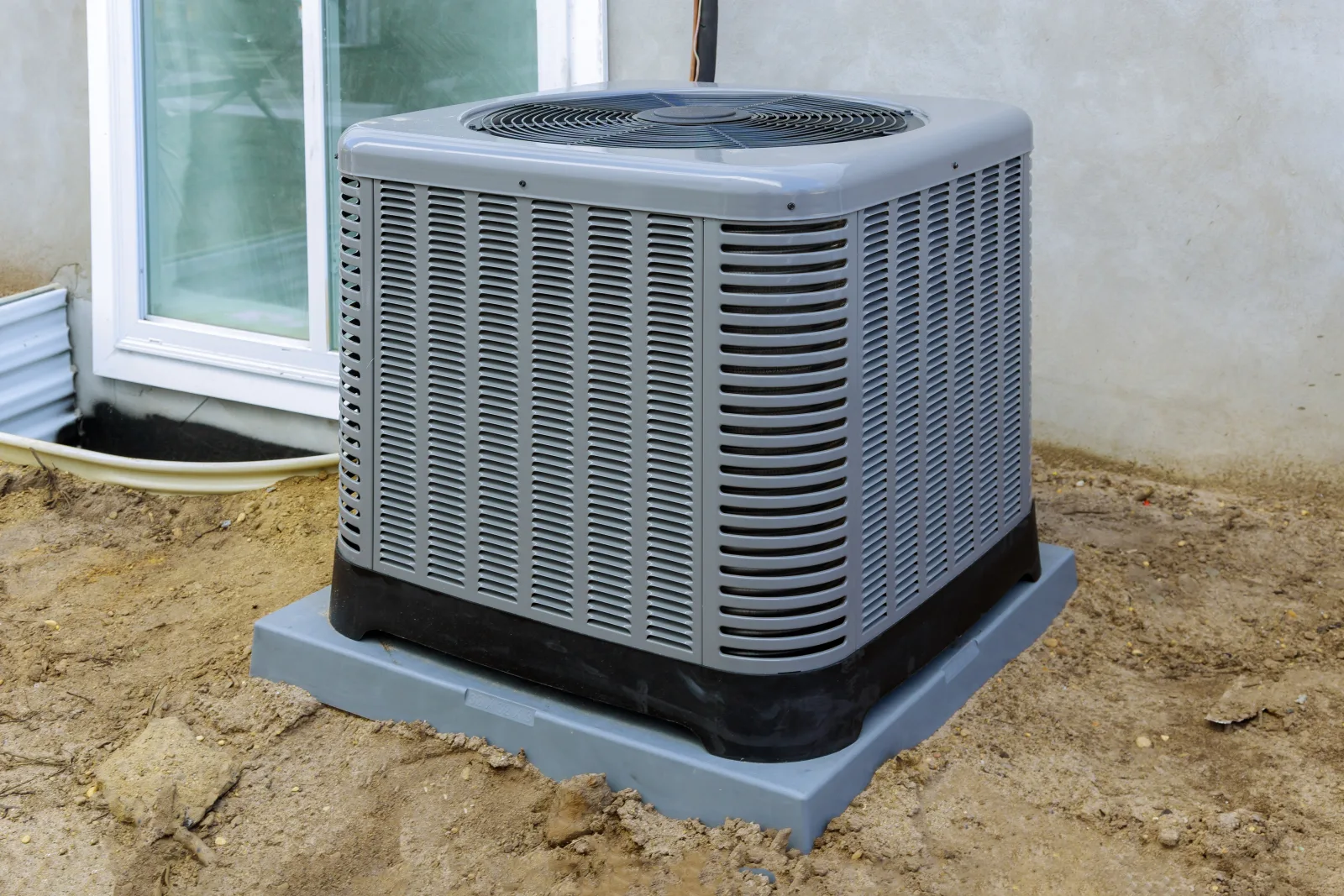
How Heat Pump Installation Works
A proper installation is more involved than setting a box where the old one sat. A thorough job through the ShowUp Promise network covers:
- A Manual J load calculation to size the system to your actual home, not just its square footage
- Removing and disposing of the old AC condenser, furnace, or both, depending on what is being replaced
- Setting the new outdoor heat pump unit on a level pad with proper clearance for airflow
- Installing or connecting the indoor coil or air handler and verifying ductwork can handle the new system
- Running new refrigerant lines or reusing existing ones if they meet spec, then pulling a deep vacuum
- Charging the system to the manufacturer's exact specification and testing both heating and cooling modes
- Installing and configuring a compatible thermostat, including any backup heat settings
- A final walkthrough covering how the system runs in both seasons before your pro leaves
Why Sizing Matters More Than the Brand Name
A heat pump that is even slightly undersized will run nonstop through a Phoenix summer and still never quite catch up on the hottest afternoons. One that is oversized short-cycles, turning on and off too quickly to properly dehumidify or hold a steady temperature, which wastes energy and wears out the compressor faster.
The right way to size a heat pump is a Manual J load calculation, which factors in your home's square footage, ceiling height, insulation levels, window count and orientation, and Phoenix's design temperatures well above 110 degrees. West- and south-facing rooms with heavy solar gain need more capacity than a shaded, well-insulated interior space, so two homes of the same size can genuinely need different tonnage.
A pro who installs heat pumps across Phoenix every week runs this calculation as a standard part of the quote, not an upsell, it is the single biggest factor in whether your new system performs the way it is supposed to for the next fifteen-plus years.

Ductwork and Controls: What Gets Checked
Existing ductwork does not automatically work with a new heat pump. A pro checks duct sizing, condition, and airflow before assuming your current ducts can handle the new system's capacity , undersized or leaky ductwork will bottleneck even a perfectly sized heat pump and leave rooms uneven.
Sealing and minor repairs are common at install time since the crew is already accessing the system, and it is far more efficient to fix duct leaks during the install than as a separate visit later. If ductwork is in poor shape or was sized for a very different system, your pro will flag it rather than connect a new heat pump to ducts that will undercut its performance.
Controls matter just as much. A heat pump thermostat needs to manage both heating and cooling calls, and often a backup heat setting for the rare cold night, so it gets configured and tested as part of the install rather than left on default settings.
Understanding SEER2 and HSPF2 Ratings
SEER2 rates cooling efficiency and HSPF2 rates heating efficiency, and both replaced the older SEER and HSPF standards with testing methods that better reflect real-world duct static pressure. In a climate that runs cooling most months of the year, SEER2 is the number with the biggest impact on your electric bill.
Heat pump systems commonly range from the federal minimum into the low-to-mid twenties SEER2, with higher-efficiency inverter-driven models costing more upfront but using meaningfully less electricity across a long Phoenix cooling season. HSPF2 still matters, but carries less weight here than in a climate with real winters, since the heating side of the system runs far fewer hours per year.
ENERGY STAR-certified equipment meets efficiency thresholds independently verified by the EPA, and choosing a certified model is often what qualifies a system for utility rebates or federal tax credits, on top of the ongoing savings from lower energy use.
What Heat Pump Installation Costs in Phoenix
Most Phoenix homeowners pay roughly $6,500 to $14,000 for a full split-system heat pump installation, including the outdoor condenser, indoor coil or air handler, refrigerant lines, and labor. The final number tracks tonnage, SEER2 rating, and how much ductwork or electrical work the job requires.
A straightforward swap that reuses existing ductwork and electrical sits toward the lower end of that range. Larger homes, higher-efficiency equipment, new ductwork, or an electrical panel upgrade to support the new system push the price higher. Utility rebate programs through APS and SRP can offset part of the cost for qualifying high-efficiency equipment, and federal tax credits may also apply, typical incentive amounts vary by year and program, so confirm current offers directly with the utility before finalizing equipment.
With ShowUp Promise you see an itemized, upfront price and approve it before any equipment is pulled, so a heat pump installation never turns into an open-ended bill once the job is underway.
Why Phoenix Is a Genuinely Good Fit for Heat Pumps
Heat pumps get a reputation for struggling in cold climates because their heating capacity drops as outdoor temperatures fall, which is a real limitation somewhere that sees single-digit winter lows. Phoenix simply does not have that problem, overnight winter temperatures rarely drop far enough to meaningfully affect a heat pump's ability to heat a home.
That means the usual cold-climate workaround, a backup gas furnace or electric strip heat kicking in below a certain outdoor temperature, is barely needed here, if at all. Most Phoenix installations run as a single heat pump system with minimal or no backup heat required, which keeps the installation simpler and the equipment cost lower than a comparable cold-climate setup.
On the maintenance side, a heat pump needs the same seasonal attention as a standard AC system: clean or replace the air filter every one to three months, keep the outdoor unit clear of dust, leaves, and landscaping debris, and have a pro check refrigerant charge and electrical connections annually. In a dusty desert climate, keeping the outdoor coil clean has an outsized effect on efficiency, since a dirty coil makes the system work harder to move the same amount of heat.
The ShowUp Guarantee
Every HVAC pro in the ShowUp Promise network is vetted, licensed, insured, and background-checked before they ever reach your door. You approve the price before work starts, and if a pro does not show, you do not pay, the system reassigns your job to the next available verified pro instead.
Serving Phoenix and the Whole Valley
ShowUp Promise matches homeowners with HVAC pros across Phoenix and the wider Valley, including Mesa, Scottsdale, Paradise Valley, Chandler, Tempe, Gilbert, Glendale, Peoria, Surprise, and Goodyear. Wherever your home is, there is likely a vetted pro nearby ready to size and install a heat pump the right way.
Not ready for a full installation yet? Our network also handles heat exchanger repair, mobile home AC repair, ductless AC replacement, furnace repair, thermostat repair, general HVAC service, evaporative cooler repair, duct sealing, and dehumidifier installation. You can also browse all of our trusted contractors in Phoenix in one place.
Heat Pump Installation Phoenix FAQ
Can a Heat Pump Really Replace Both My AC and Furnace in Phoenix?
How Is Heat Pump Installation Different From a Standard AC Replacement?
What SEER2 and HSPF2 Ratings Should I Look For in Phoenix?
How Much Does Heat Pump Installation Cost in Phoenix?
Are There Utility Rebates for Heat Pump Installation in Phoenix?
How Long Does Heat Pump Installation Take?
Do I Need a Permit for Heat Pump Installation in Phoenix?
Will a Heat Pump Keep Up During a Phoenix Heat Wave?
Get Your Phoenix Heat Pump Installed
Tell us about your current system, then match with a vetted, licensed, insured Phoenix HVAC pro who sizes your new heat pump correctly, installs it clean, and shows up when they say they will.