Pool Heater Installation in Phoenix
Pool heater installation in Phoenix turns a pool that's only comfortable half the year into one you can swim in nearly year-round, get matched with a vetted, licensed, insured pool pro who sizes a gas, heat pump, or solar heater right for your backyard, from big Arcadia lots to newer builds out by Desert Ridge.
Tell us about your pool and what's driving the upgrade, and get connected with a background-checked Phoenix pool pro who can quote a properly sized heater.
No app to download. Works right in your browser.
ShowUp Guarantee, no-show means no pay.
Why Phoenix Pool Owners Add a Heater
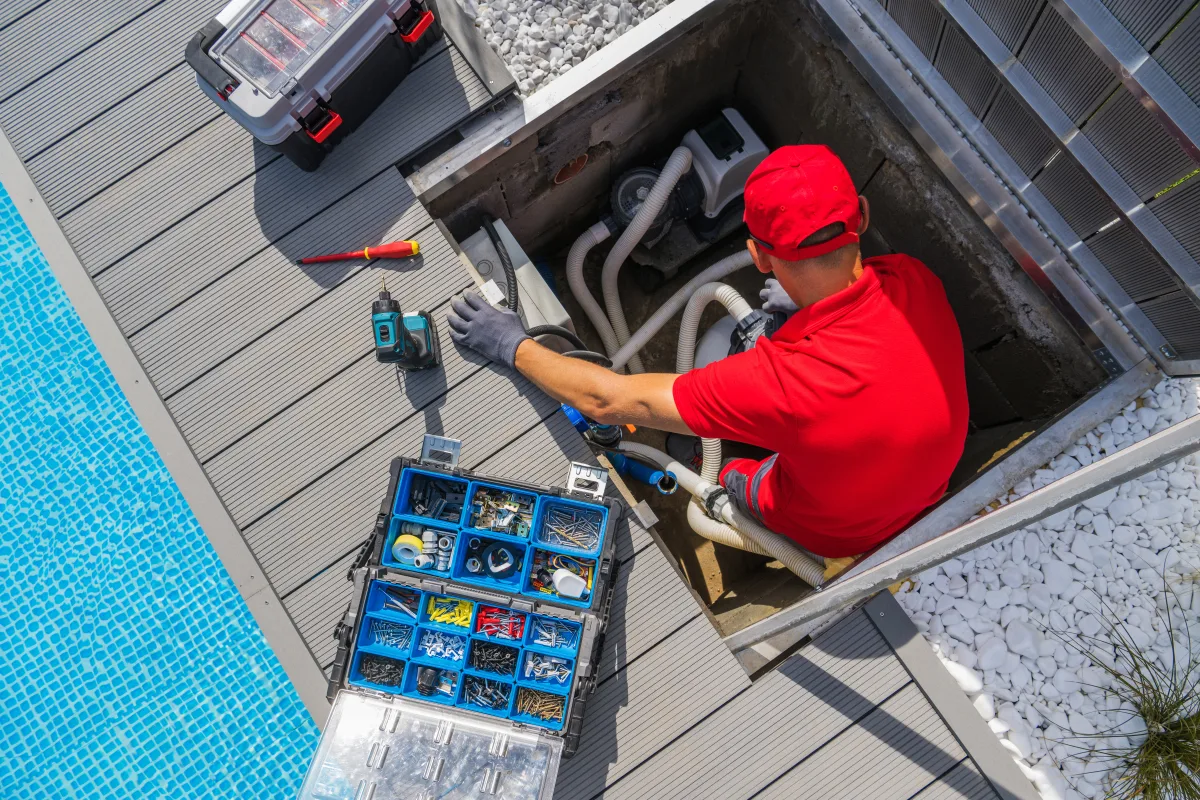
A Phoenix pool is genuinely swimmable from roughly April through October without any help, but the water drops into the 50s and 60s from November through February, cold enough that most families stop using a pool they paid to have year-round. A heater changes that math, stretching a five- or six-month swim season into something closer to ten or eleven months for a fraction of what the pool itself cost.
It shows up differently by neighborhood. Older backyards near Arcadia and Camelback Mountain often have larger, unshaded pools that lose heat fast on a clear winter night, while newer construction out toward Desert Ridge and Loop 101 sometimes ships with the gas or electrical rough-in already in place, which keeps installation simpler. Either way, the pool sits unused for months without a properly sized heater doing the work.
ShowUp Promise takes the guesswork out of finding a trustworthy installer: describe your pool and what you want out of a heater, and we match you with a vetted, licensed, insured, background-checked pool pro near you, and if they do not show, the ShowUp Guarantee means you do not pay.
Gas, Heat Pump, or Solar: Picking the Right Type
A gas heater brings a pool up to temperature in a few hours regardless of the weather, which suits homeowners who want heat on demand for an occasional weekend rather than running all season. It costs more to operate but the least to install on a home that already has gas service to the yard.
A heat pump heats more slowly but sips electricity by comparison, and Phoenix's mild winters make it a genuinely strong fit, it rarely has to fight extreme cold, so it can hold a comfortable temperature through most of the shoulder season without the operating cost of gas.
A solar system, tied to roof or rack-mounted panels, costs the most upfront and nothing to run afterward, but only performs as well as your home's sun exposure and available roof space allow.
How Pool Heater Installation Works
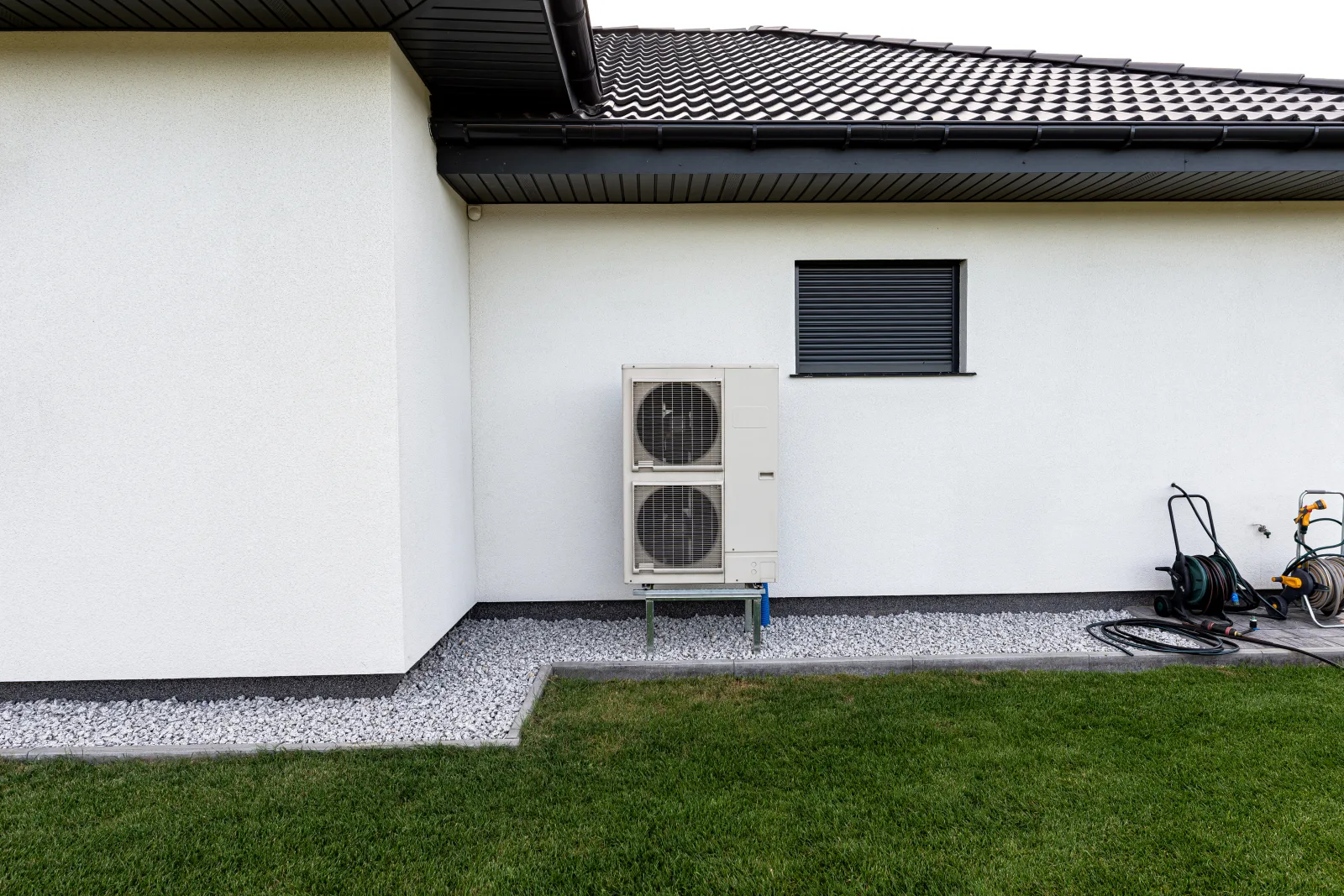
A proper installation is more involved than setting a new box on the pad. A thorough job through the ShowUp Promise network covers:
- Sizing the heater to your pool's surface area, desired temperature rise, and backyard wind exposure
- Preparing a level equipment pad with the clearance the heater needs for airflow and service access
- Running new gas line or a dedicated electrical circuit if your home's existing service can't support the new heater
- Plumbing the heater into a bypass valve so water can be routed around it without shutting the pool down for future service
- Pressure-testing gas connections or verifying electrical draw against your panel's available capacity
- Mounting and wiring solar panels or collectors on the roof or a ground rack, if that's the system you chose
- Firing up the system and confirming it reaches and holds target temperature before your pro leaves
- A final walkthrough covering startup, seasonal care, and what to do if the heater ever throws an error code
Why Sizing Matters More Than the Brand Name
A heater that is undersized for your pool will run constantly and still lose the battle on a cold, windy evening. One that is oversized costs more than it needed to and short-cycles more than it should, which wastes energy without meaningfully improving comfort.
The right way to size a pool heater is your pool's surface area in square feet, the desired temperature rise, and how exposed your backyard is to wind, a wide-open corner lot loses heat faster than a walled courtyard pool, so two similarly sized pools can genuinely need different BTU capacity. A spillover spa or water feature adds load on top of the pool itself.
A pro who installs pool heaters across the Valley every week runs these numbers as a standard part of the quote, not an upsell, it is the single biggest factor in whether your new heater actually holds temperature on the nights you want it to.
Gas, Power, and Permits: What Gets Checked
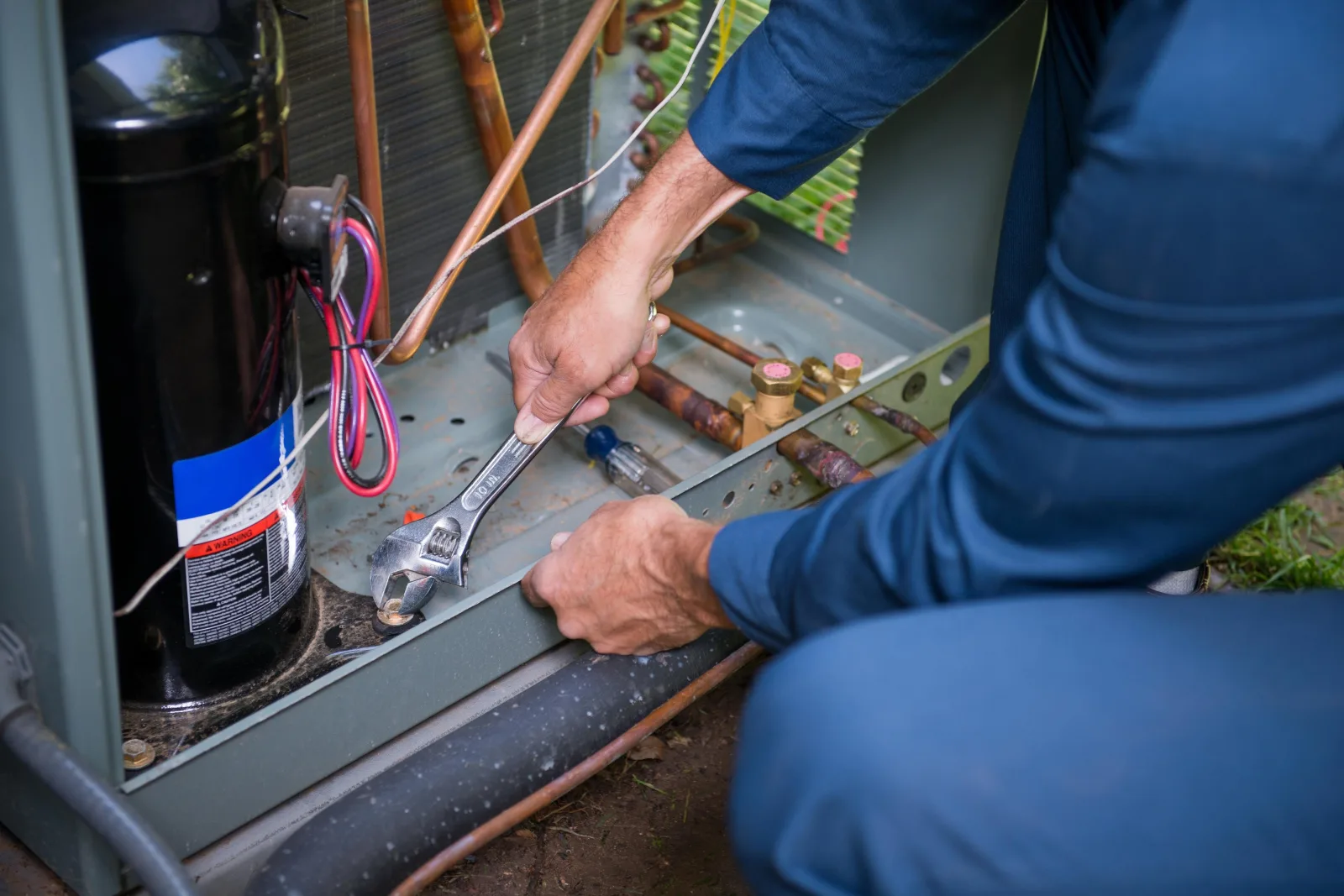
Existing gas or electrical service does not automatically have room for a new pool heater. A pro checks your home's gas line capacity or your electrical panel's available draw before assuming the current service can handle the new equipment.
Older homes near North Central Phoenix and Sunnyslope sometimes need a larger gas line run from the meter to the equipment pad, while newer construction out near Desert Ridge or Ahwatukee more often has capacity already in place. Either way, it gets confirmed before installation day, not discovered partway through.
Permits matter too, new gas or electrical work for pool equipment typically needs a City of Phoenix permit and inspection, which keeps your equipment warranty valid and avoids questions if you sell the home later.
What Pool Heater Installation Costs in Phoenix
Most Phoenix homeowners pay roughly $2,500 to $5,500 for a gas pool heater installed, $4,000 to $8,500 for a heat pump pool heater, and $3,500 to $7,500 for a solar system, including the unit, plumbing, and labor.
A straightforward install onto existing gas or electrical service sits toward the lower end of each range. A first-time gas line run, a new dedicated electrical circuit, or a larger solar array pushes the price higher. Operating cost matters too, gas heats fastest but costs the most per hour to run, a heat pump costs less to run but heats more slowly, and solar costs nothing to run once installed but depends on the sun.
With ShowUp Promise you see an itemized, upfront price and approve it before any equipment is installed, so a pool heater installation never turns into an open-ended bill once the job is underway.
Monsoon Season, Dust, and Other Phoenix Realities
Monsoon season, roughly July through September, brings heavy dust and sudden downpours that can pool around equipment set at grade, a pro sets the pad slightly elevated with proper drainage so a gas or heat pump unit is not sitting in runoff after a storm rolls through.
Dust is a year-round factor for a heat pump specifically: a dirty outdoor coil makes the unit work harder to move the same amount of heat, so keeping the area around it clear of landscaping debris in yards from Laveen to the washes near South Mountain has an outsized effect on efficiency.
Cold snaps do happen, overnight lows in the 30s are normal for a few weeks each winter, and that is exactly when a properly sized heater paired with a pool cover earns its keep, holding temperature instead of losing the battle to an open pool surface overnight.
The ShowUp Guarantee
Every pool pro in the ShowUp Promise network is vetted, licensed, insured, and background-checked before they ever reach your door. You approve the price before work starts, and if a pro does not show, you do not pay, the system reassigns your job to the next available verified pro instead.
Serving Phoenix and the Whole Valley
ShowUp Promise matches homeowners with pool and HVAC pros across Phoenix and the wider Valley , from established backyards near Arcadia, Camelback Mountain, and North Central Phoenix to newer construction out along Loop 101 and Desert Ridge, plus Mesa, Scottsdale, Paradise Valley, Chandler, Tempe, Gilbert, Glendale, Peoria, Surprise, and Goodyear. Wherever your pool is, there is likely a vetted pro nearby ready to size and install a heater the right way.
Not ready for a pool heater yet? Our network also handles heat pump installation, heat exchanger repair, mobile home AC repair, ductless AC replacement, furnace repair, thermostat repair, general HVAC service, evaporative cooler repair, duct sealing, and dehumidifier installation. You can also browse all of our trusted contractors in Phoenix in one place.
Pool Heater Installation Phoenix FAQ
Gas, Heat Pump, or Solar, Which Pool Heater Is Right for a Phoenix Backyard?
How Much Does Pool Heater Installation Cost in Phoenix?
How Long Does Pool Heater Installation Take?
Do I Need a Permit for Pool Heater Installation in Phoenix?
How Do I Size a Pool Heater for My Pool?
Will a Pool Heater Actually Keep My Pool Warm Through a Phoenix Winter?
Does My Home Have Enough Gas or Electrical Capacity for a New Pool Heater?
Get Your Phoenix Pool Heater Installed
Tell us about your pool, then match with a vetted, licensed, insured Phoenix pool pro who sizes your new heater correctly, installs it clean, and shows up when they say they will.