Wine Cooler Repair in Phoenix
Wine cooler repair in Phoenix should be fast and done right the first time, vetted, licensed, insured appliance pros for a cooler that is not cooling, temperature swings, bad fans, seals, and compressors.
Tell us what your cooler is doing and get matched with a background-checked Phoenix pro who shows up on time.
No app to download. Works right in your browser.
ShowUp Guarantee, no-show means no pay.
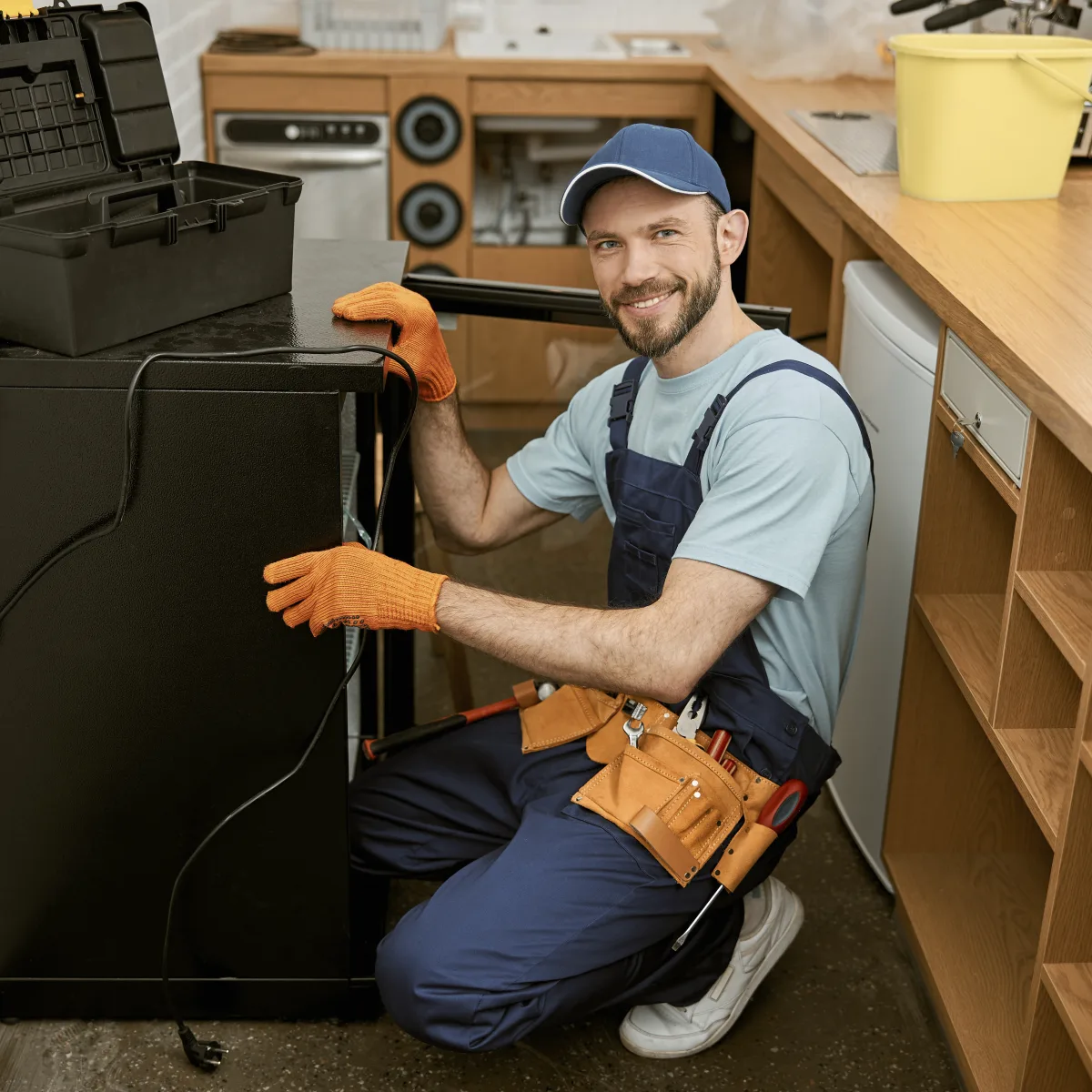
Wine Cooler Repair in Phoenix Done Right
A wine cooler that stops holding temperature in Phoenix is not a small thing, a warm cabinet can spoil a collection you have spent years building, and a unit that swings up and down cooks corks and dulls the wine even before it fully fails. Fast, correct repair protects the bottles and the appliance both.
The trouble is that a wine cooler is easy to misdiagnose. A warm box gets blamed on the compressor when it is really a dusty condenser, a bad fan, or a door seal letting the desert heat in. Cold-calling a handyman means hoping they can tell a thermoelectric fault from a sealed-system one.
ShowUp Promise replaces that guesswork: describe what your cooler is doing and we match you with a vetted, licensed, insured, background-checked appliance pro near you. You get a real diagnosis, an upfront price, and a pro who shows up, and if they do not, the ShowUp Guarantee means you do not pay.
The Wine Cooler Problems Phoenix Pros Fix Most
Most calls come down to a handful of failures. The pros in our network diagnose the real cause instead of swapping parts and hoping:
- A cooler that stopped cooling or will not reach its set temperature
- Temperature swings from bad sensors, fans, or a misfiring control board
- Worn or torn door gaskets letting warm desert air leak into the cabinet
- Failed cooling or condenser fans and clogged, dusty condenser coils
- Compressor and thermoelectric module faults on the sealed cooling system
- Dead displays, controls, and lighting from a failed board or power fault
Why Phoenix Wine Coolers Fail Differently
Phoenix heat is hard on a wine cooler. Every cooling system has to fight the difference between the box temperature and the room, so a unit in a hot kitchen, a garage, or against a sun-baked wall is working far harder here than the same cooler would in a milder climate, and it fails sooner for it.
Ventilation is where most desert failures start. A freestanding cooler crammed into a tight cabinet has nowhere to shed heat, and a built-in unit with a blocked front grille cooks itself. Thermoelectric models struggle the most, because they simply cannot pull the box far enough below a 90-degree room.
Dust and hard-water-adjacent grime clog the condenser faster in the Valley, too. A pro who works Phoenix appliances every day checks airflow, clearances, and the condenser first, not the generic causes a manual assumes, because in this heat the fix is often cooling the appliance, not just the wine.
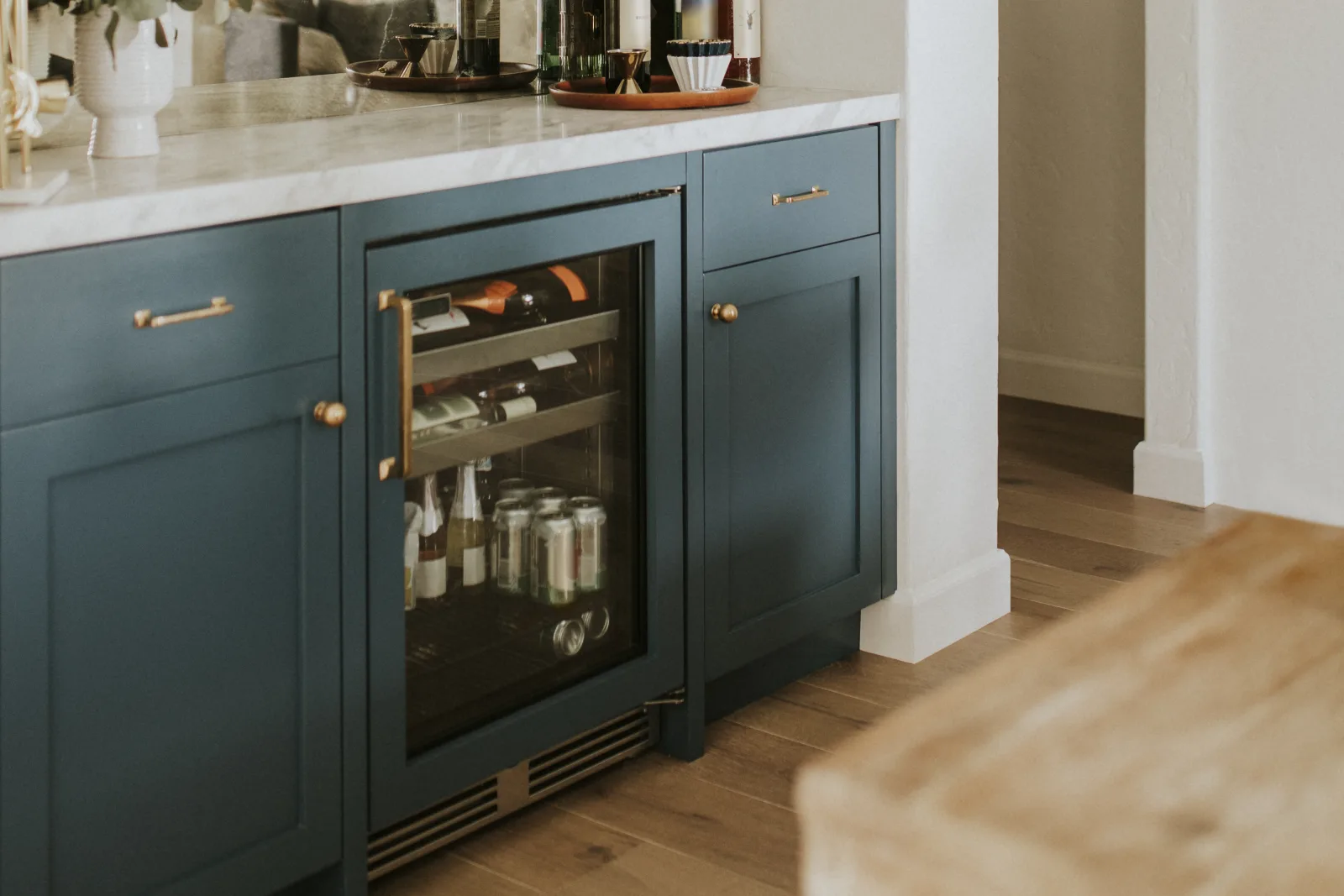
How ShowUp Promise Connects You With an Appliance Pro
Getting matched takes a couple of minutes. Tell us what is wrong, a cooler that will not cool, a temperature that keeps climbing, a fan that rattles, or a door that no longer seals, and we connect you with an available, vetted appliance pro from our network of trusted contractors in Phoenix.
You see and approve an upfront price before any work begins, pay securely in-app, and can track your pro's arrival. Because every pro is licensed, insured, and background-checked before they join, you skip the part where you wonder whether the person you called can actually diagnose a sealed cooling system.
No app to download and no obligation to book the first quote, just a faster, safer path to a cooler that holds temperature instead of warming your wine.
The ShowUp Guarantee
Every appliance pro in the ShowUp Promise network is vetted, licensed, insured, and background-checked before they ever reach your door. You approve the price before work starts, and if a pro does not show, you do not pay, the system automatically works to reassign your job to the next available verified pro so you are never left with a warm cooler and no answer.
What Wine Cooler Repair Costs in Phoenix
A typical Phoenix wine cooler repair runs $150 to $450, with a diagnostic or service call around $75 to $150 that is usually credited toward the work. A door seal, fan, or sensor is about $120 to $250, while a control board or a sealed-system part like a compressor or thermoelectric module can reach $300 to $600 or more.
The final number tracks which part failed and how deep the diagnosis goes, a gasket or a fan is quick, while chasing a sealed-system fault takes longer and costs more. On an older or entry-level cooler, that is often the point where a pro will tell you a replacement makes better sense than the repair.
With ShowUp Promise you see an all-in price and approve it before any work begins, so there are no surprise add-ons after the job. Ask for the diagnosis, the repair-or-replace call, and any workmanship warranty in writing so you know exactly what you are paying for.
The Parts That Fail on a Phoenix Wine Cooler
Most wine cooler problems trace back to the same short list of parts. A pro tests for these instead of guessing at the compressor first:
- Door gaskets that harden and tear, letting warm air break the seal
- Cooling and condenser fans that seize, rattle, or stop spinning
- Temperature sensors and thermostats that feed the board bad readings
- Dusty, clogged condenser coils that cannot shed heat in a hot room
- Control boards that misfire and let the temperature drift or swing
- Compressors and thermoelectric modules that lose the fight to the heat
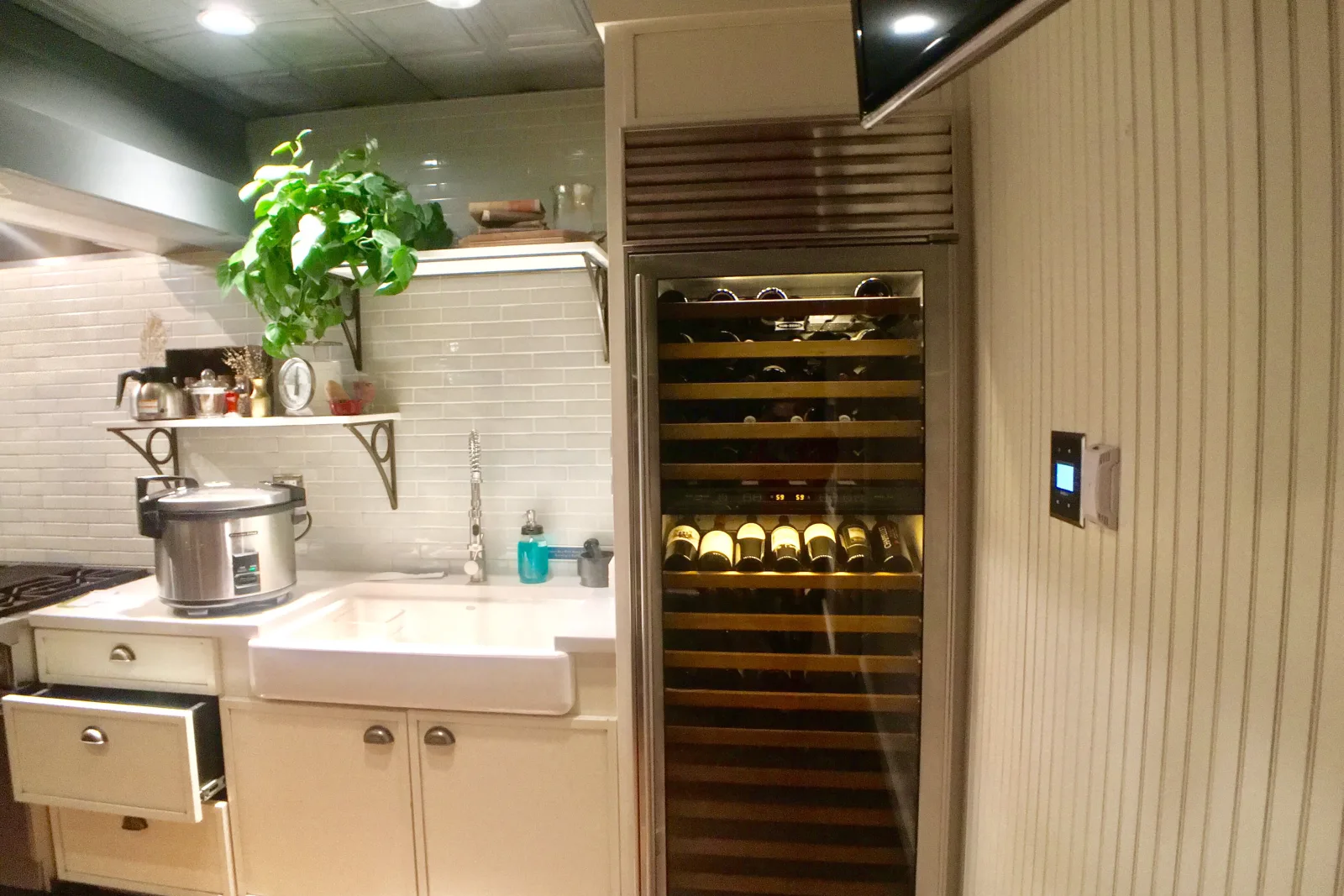
Built-In, Freestanding, and Finding the Real Fault
Built-in and freestanding coolers fail in their own ways, and the fix often starts with how the unit is installed. A freestanding model vents out the back and needs breathing room; a built-in vents out the front and only works if that grille stays clear, get it wrong and even a healthy cooler runs warm.
A good repair starts with diagnosis, not parts. The pro measures the actual box temperature, checks the clearances and the front grille, tests the fans, sensors, and door seal, and confirms whether the sealed system is even the problem before quoting a compressor or thermoelectric repair.
Whether it is a ten-minute gasket swap, a new fan, or a sealed-system decision, ShowUp Promise matches you with a vetted pro who finds the real fault and quotes it upfront, including an honest repair-or-replace call so you never over-spend on a cooler that is not worth it.
Serving Phoenix and the Whole Valley
ShowUp Promise matches homeowners with wine cooler and appliance repair pros across Phoenix and the wider Valley, including Mesa, Scottsdale, Paradise Valley, Chandler, Tempe, Gilbert, Glendale, Peoria, Surprise, and Goodyear. Wherever your kitchen is, there is likely a vetted pro nearby who works desert appliances every day.
Have more than the wine cooler acting up? The same network covers the other appliance jobs Phoenix homeowners need, like ice machine repair in Phoenix, garbage disposal repair in Phoenix, and water softener repair in Phoenix. You can also browse all of our trusted contractors in Phoenix in one place.
Wine Cooler Repair Phoenix FAQ
How Much Does Wine Cooler Repair Cost in Phoenix?
Why Is My Wine Cooler Not Cooling in Phoenix?
Compressor or Thermoelectric, Which Wine Cooler Handles Phoenix Heat Better?
Do Built-In and Freestanding Wine Coolers Need Different Ventilation in Phoenix?
Why Does My Wine Cooler Temperature Keep Swinging?
When Is It Worth Repairing a Wine Cooler vs. Replacing It?
What Brands of Wine Coolers Do Your Phoenix Pros Service?
What Temperature and Humidity Should a Wine Cooler Hold?
How Do I Know the Wine Cooler Tech Is Licensed, Insured, and Qualified?
Get Your Phoenix Wine Cooler Fixed
Match with a vetted, licensed, insured Phoenix appliance pro who diagnoses the real problem, fixes it clean, and shows up when they say they will.