Aphid Control in Phoenix, Arizona
Aphid control in Phoenix usually starts when the new growth on a rose bush or citrus tree turns sticky and curled overnight, the honeydew, the black sooty mold underneath it, and sometimes a trail of ants working the stems in both directions.
Tell us which plants are affected and get matched with a vetted, licensed, insured pro who inspects first and quotes an upfront price before any treatment starts.
No app to download. Works right in your browser.
ShowUp Guarantee, no-show means no pay.
Free inspection, upfront pricing, no obligation.
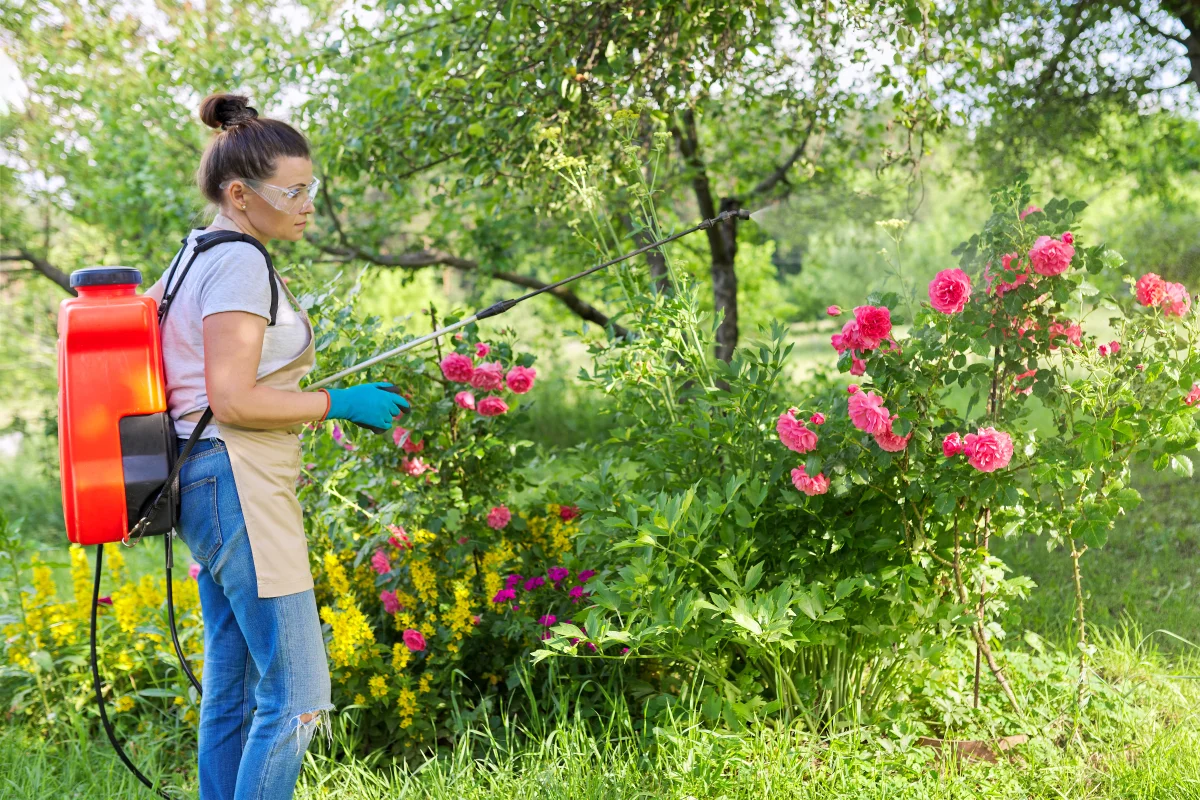
Why Aphids Take Over Phoenix Gardens Fast
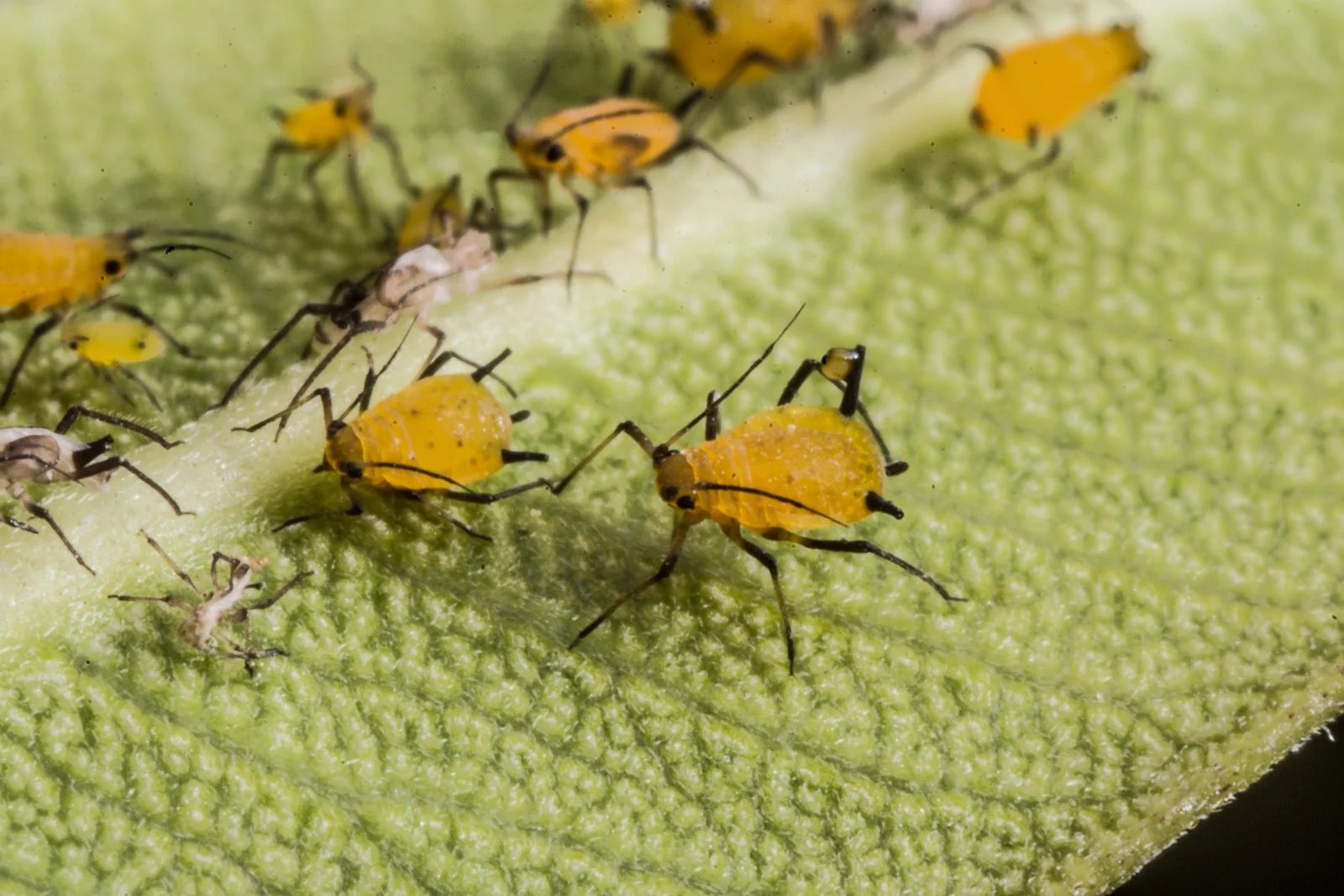
Aphids reproduce faster than almost any garden pest, a single female can be producing live young within days, without ever mating, so a handful on the underside of a rose leaf can turn into a colony covering the whole stem in about a week. Phoenix's mild late-winter weather only speeds that up: roses, citrus, and vegetable starts all push soft new growth right when aphids are most active, before the summer heat arrives to slow them down.
What makes an infestation stick around is usually the ants. Ants farm aphids for the sweet honeydew they excrete, and in exchange the ants fight off ladybugs, lacewings, and other natural predators that would otherwise keep the colony in check, which is why a spray that only hits the aphids and ignores the ants often doesn't hold.
ShowUp Promise replaces the guesswork of finding a trustworthy pro yourself: tell us which plants are affected and we match you with a vetted, licensed, insured, background-checked technician, and if they don't show, the ShowUp Guarantee means you don't pay.
What an Aphid Control Visit Covers
Pros matched through our network start with an inspection of every affected plant, then treat based on what they find:
- Inspection of roses, citrus, hibiscus, oleander, and vegetable beds for honeydew, sooty mold, and curled or yellowing leaves
- Insecticidal soap or horticultural oil for a light-touch knockdown on smaller colonies
- Systemic treatment for heavier infestations on ornamentals, kept off anything grown for eating
- Ant control targeted at the trails feeding the aphid colony, not just the aphids themselves
- Guidance on which treatment is safe for a vegetable bed versus a rose or citrus tree
- A follow-up plan for the next flush, since aphids reappear with each round of new growth
How Aphid Treatment Works
Your technician starts with a free, no-obligation walk of the yard, checking roses, citrus new growth, hibiscus, oleander, and any vegetable starts for the sticky honeydew, black sooty mold, and curled leaves that signal an active colony, plus the ant trails that often come with it.
From there, the treatment matches the plant. A light rose or ornamental infestation usually gets insecticidal soap or horticultural oil, which breaks down fast and needs to hit the aphids directly. A heavier colony on citrus or another ornamental may call for a longer-lasting systemic product, one that stays off anything grown for eating.
You see and approve an itemized price before any spraying starts, so a standard aphid visit never turns into a surprise bill once the pro is already at your door.
Aphids Hit Every Phoenix Neighborhood Differently
Arcadia and the Encanto-Palmcroft Historic District, both still on SRP flood irrigation near Camelback Road and 7th Avenue, carry some of the city's oldest citrus and rose plantings, the deep, regular watering keeps trees pushing soft new growth for a longer stretch each spring, which is exactly what an aphid colony needs to keep expanding.
The Coronado and Willo Historic Districts, closer to McDowell Road and Central Avenue, see the same pattern on their mature rose gardens, while newer stucco-track yards out in Ahwatukee and the West Valley near Litchfield Park tend to run smaller, more contained outbreaks on younger citrus and vegetable beds.
Yards backing up to the canal system that feeds North Central Phoenix often see heavier pressure too, since the extra humidity along the canal bank favors the same soft growth aphids are drawn to, which is exactly why an inspection, not a generic spray schedule, decides what actually gets treated.
What Aphid Control Costs in Phoenix
A single targeted visit for one or two plants or a small rose bed runs roughly $75 to $200, depending on how established the colony is.
A fuller landscape treatment, citrus trees plus a vegetable bed plus ornamentals , typically runs $150 to $350. Many companies also offer a recurring landscape pest program, often $40 to $75 a month, which catches a new flush before it spreads.
With ShowUp Promise you see an itemized, upfront price and approve it before the technician starts spraying, so the total is never a surprise once they're already in your yard.
Aphid Season Runs Early in the Desert
Phoenix aphids peak twice: February through April, when roses, citrus, and vegetable starts are putting out the soft new growth aphids prefer, and again in a smaller flush once the heat breaks in October and November. Once daytime highs push past 100 degrees, most colonies crash on their own, the trouble is the weeks before that.
Catching a colony early in that spring window, before it spreads across a whole rose bed or citrus canopy, is usually the difference between a quick spot treatment and a full landscape visit.
Serving Phoenix and the Whole Valley
Beyond aphid control, ShowUp Promise matches Phoenix homeowners with pest control pros across the wider Valley, including Scottsdale, Tempe, Mesa, Chandler, Gilbert, Glendale, Peoria, Surprise, and Goodyear.
Dealing with a different pest? The same network also handles scorpion control service, rat control and removal, cockroach exterminator service, carpenter ant control, silverfish control, hornet nest removal, wasp removal service, bed bug pest control, snake removal service, wildlife removal service, eco-friendly pest control, commercial pest control, bee removal, pigeon removal, gopher control, emergency pest control, and house sealing and pest exclusion. You can also browse all of our trusted contractors in Phoenix in one place.
The ShowUp Guarantee
Every pro in the ShowUp Promise network is vetted, licensed, insured, and background-checked before they ever reach your door. You approve the price before work starts, and if a pro does not show, you do not pay, the system automatically works to reassign your job to the next available verified pro.
Aphid Control Phoenix FAQ
What Does an Aphid Control Visit Actually Include?
How Much Does Aphid Control Cost in Phoenix?
When Do Aphids Show Up in Phoenix Gardens?
Which Phoenix Plants Get Hit Hardest by Aphids?
Is Aphid Treatment Safe for Kids, Pets, and Edible Gardens?
Can I Just Spray My Own Aphids, or Do I Need a Pro?
Get Your Aphids Treated Now
Match with a vetted, licensed, insured pro who inspects first and quotes the job before any spraying starts.