Wildlife Removal in Phoenix, Arizona
Phoenix wildlife removal means safely trapping and excluding the animal that's actually gotten into your attic, roofline, or yard, not just guessing at a fix and hoping it doesn't come back.
Tell us what you're dealing with and get matched with a licensed, background-checked Phoenix pro who handles it humanely and seals the entry point for good.
No app to download. Works right in your browser.
ShowUp Guarantee, no-show means no pay.
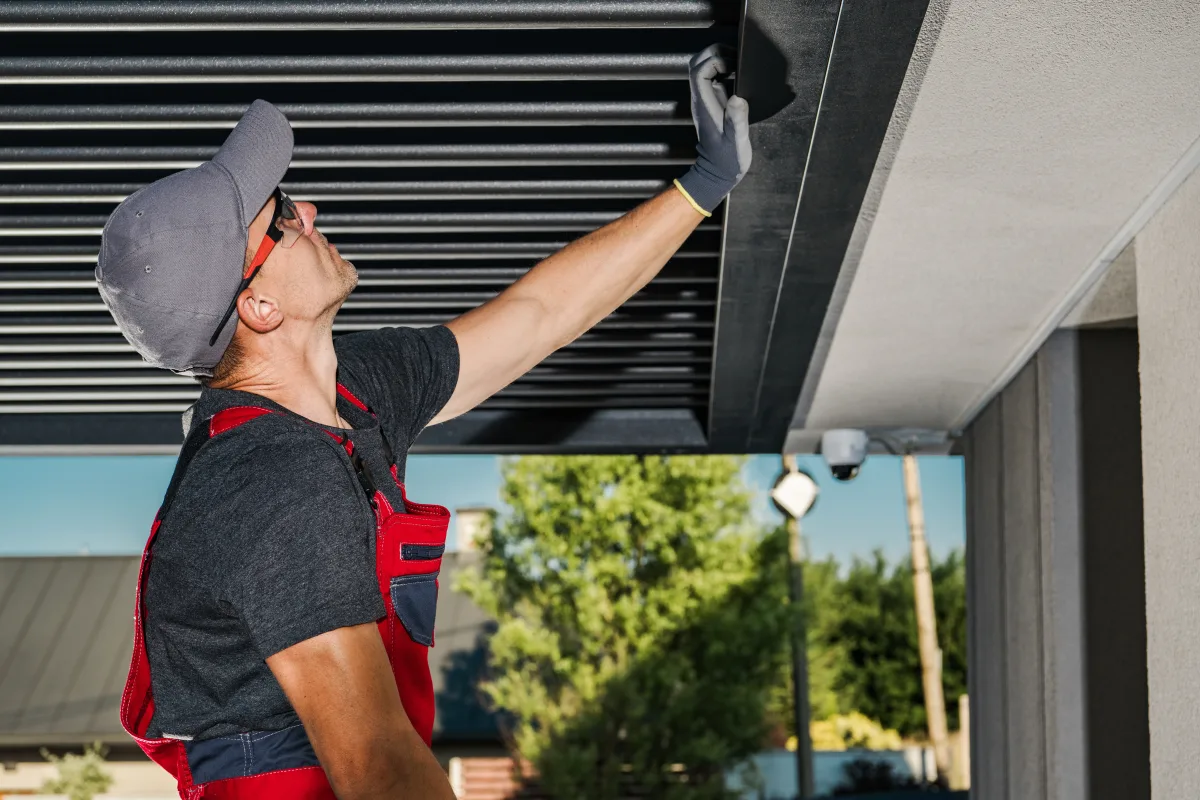
Wildlife Removal That's Actually Humane and Legal
Several of the animals that get into Phoenix homes and yards, bats especially, are legally protected in Arizona. Killing, handling, or using pesticides on them without the right permit isn't just inhumane, it's against the law. A legitimate wildlife control pro holds a Wildlife Removal permit through the Arizona Game and Fish Department and carries insurance before ever setting foot on your property.
The industry-standard humane method is exclusion, one-way doors that let an animal leave on its own to feed, then seal the opening behind it so it can't get back in. That's different from a DIY trap, which can leave an animal stuck inside a wall or attic with no way out.
ShowUp Promise matches you with a vetted, licensed, insured pro who removes the animal correctly and seals the entry point, backed by the ShowUp Guarantee below.
Signs You Have a Wildlife Problem, Not Just a Pest
Wildlife activity looks and sounds different from an insect problem, it's bigger, louder, and usually more urgent. Watch for:
- Scratching, thumping, or scurrying in the attic or between walls, especially at dusk or overnight
- A strong, musky odor from a crawl space, shed, or attic vent, a common skunk or raccoon sign
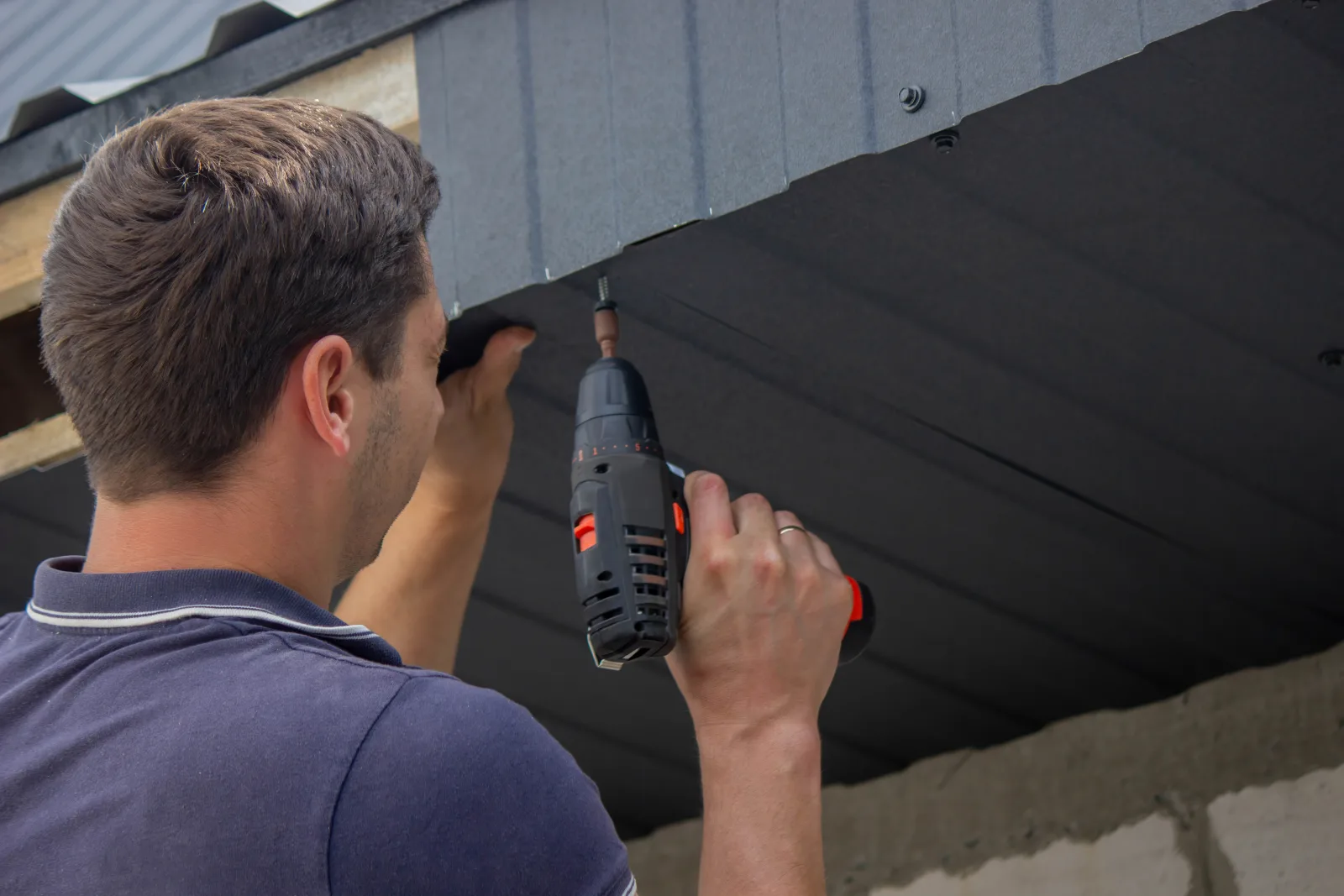
- Torn attic insulation, chewed vents, or a gap pulled open at the roofline or fascia
- Dark staining or guano buildup below an eave or roof vent where bats are entering and exiting at dusk
- Javelina, raccoons, or skunks spotted in the yard, near trash cans, or under a shed or deck
- Dead animal odor from inside a wall, attic, or crawl space after activity suddenly goes quiet
Why Phoenix Wildlife Ends Up Inside Your Home
Phoenix backs directly up to desert preserve land, and wildlife travels along the washes and canal banks that cut through the city to reach it. Neighborhoods in Ahwatukee, bordering South Mountain Park, regularly see javelina move out of the preserve and into yards, drawn by trash, pet food, and irrigated landscaping. The same pattern plays out in North Central Phoenix, where homes near the Phoenix Mountains Preserve back onto coyote and javelina corridors.
Bats follow the water, too, the Arizona Canal running through Arcadia hosts a well-known seasonal colony each year, and older homes nearby with mature tree canopy and original roof vents offer the same kind of dark, sheltered gap a bat looks for in an attic.
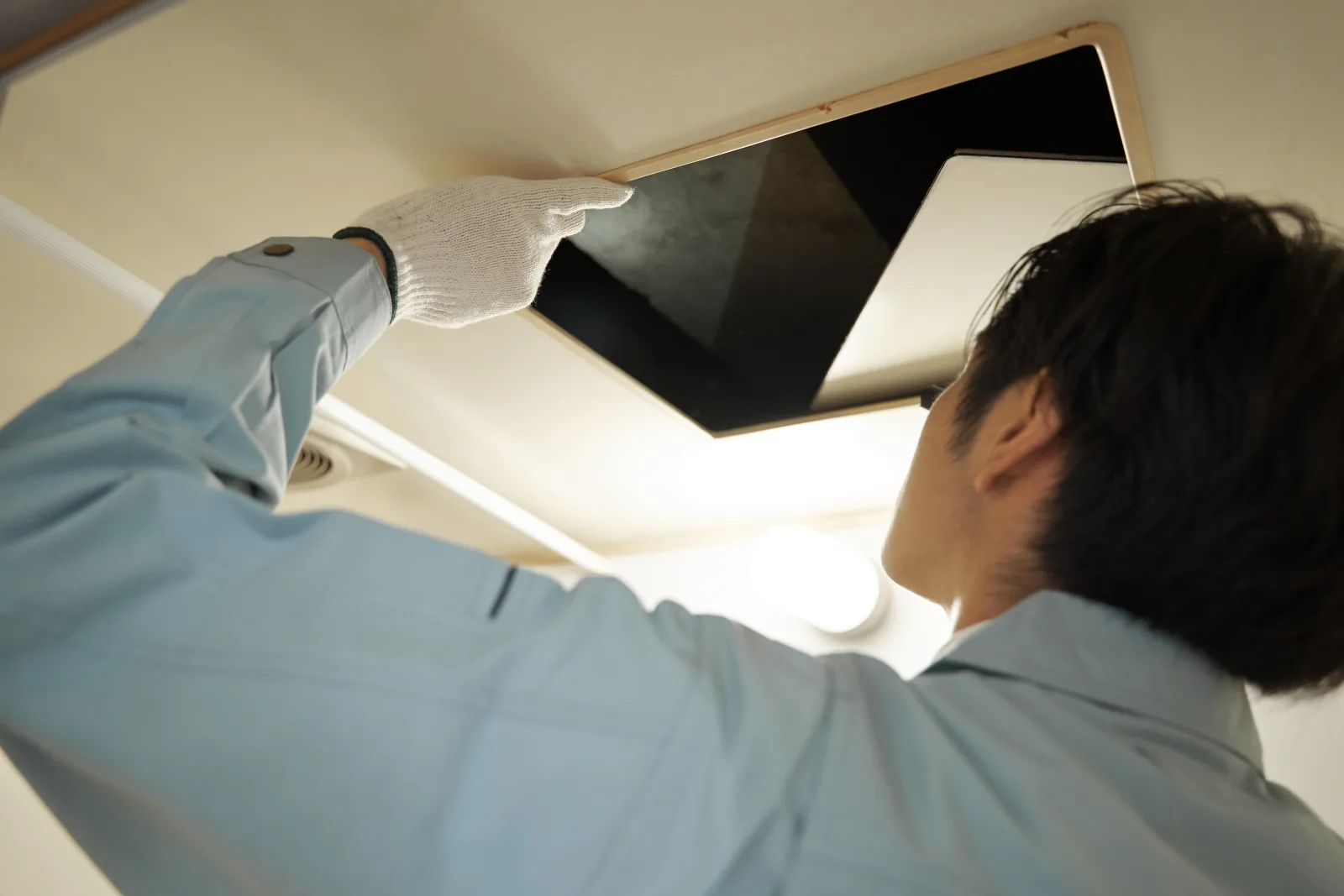
A pro who knows these patterns checks the roofline, attic vents, and foundation gaps first, the actual entry point, instead of just responding to whatever animal happened to be visible when you called.
Bats, Raccoons, Skunks, and Javelina
Bats are legally protected in Arizona, so removal always means exclusion, never pesticide or lethal control. A colony typically gets in through a gap no bigger than three-eighths of an inch at a roof-tile edge, a broken vent screen, or a gap where a chimney or fascia board has pulled away. A pro installs one-way devices over every active entry point so the bats can still leave to feed at dusk, then seals the openings once the colony has fully cleared, outside maternity season, roughly May through September, when sealing could trap flightless pups inside. Guano buildup in an attic is also a real health hazard (histoplasmosis risk from inhaling dried droppings), so a heavy accumulation usually means cleanup and sanitizing on top of the exclusion itself.
Raccoons and skunks typically den in an attic, crawl space, or under a shed, and a mother raccoon denning in an attic to raise young is one of the more common spring and summer calls. Removal involves humane trapping or exclusion plus sealing the access point, and often attic insulation replacement afterward, since both species compress or soil insulation and can chew through electrical wiring while they're in there. Skunk odor in particular can linger in insulation and ductwork long after the animal is gone if the source isn't fully cleaned out.
Javelina are a yard problem more than a structural one, a pro focuses on securing trash cans, removing pet food and fallen fruit, and fencing recommendations rather than trapping, since javelina travel in herds of six to a dozen or more and removing one animal doesn't stop the rest from returning to the same yard. They have poor eyesight and can react defensively if startled or cornered, especially around dogs, which is part of why a professional assessment beats trying to chase one off yourself.
Dealing with a snake, rats or mice, gophers, pigeons, or bees instead? Those get routed to a specialist in that exact problem, see the service links further down this page.
How ShowUp Promise Connects You With a Pro
Tell us what you're dealing with, scratching in the attic, a javelina in the yard, a gap at the roofline, and we connect you with an available, vetted pro from our network of trusted contractors in Phoenix.
You see and approve an upfront price before any trapping or exclusion work begins, pay securely in-app, and track your pro's arrival, every pro is vetted before joining the network.
No app to download and no obligation to book the first quote, just a faster path to getting the animal removed correctly and the entry point sealed for good.
The ShowUp Guarantee
Every wildlife removal pro in the ShowUp Promise network is vetted, licensed, insured, and background-checked before they ever reach your property. You approve the price before work starts, and if a pro doesn't show, you don't pay, the system reassigns your job to the next available verified pro instead.
What Wildlife Removal Costs in Phoenix
An initial inspection and trapping visit for one animal typically runs $150 to $400. Full exclusion, sealing every entry point around the roofline, vents, and foundation so the problem doesn't repeat, usually falls between $500 and $2,500 depending on the number of openings and whether attic cleanup is needed.
A bat colony exclusion is often $400 to $1,500, priced by exit points and attic size. Most homeowners insurance does not cover wildlife removal or the damage it causes.
With ShowUp Promise you see an itemized, all-in price and approve it before work starts, no surprise add-ons once the pro is already on your roof.
Serving Phoenix and the Whole Valley
ShowUp Promise matches homeowners with wildlife removal pros across Phoenix and the wider Valley, Scottsdale, Tempe, Mesa, Chandler, Gilbert, Glendale, Peoria, Surprise, and Goodyear, from javelina calls near South Mountain Park and Ahwatukee to bat and raccoon exclusions in older, tree-lined neighborhoods like Arcadia. Every pro holds an active Wildlife Removal permit through the Arizona Game and Fish Department, which regulates protected-species handling statewide.
Dealing with something other than bats, raccoons, skunks, or javelina? The same network covers the other pest jobs Phoenix homeowners run into, like snake removal in Phoenix, rat control in Phoenix, gopher control in Phoenix, pigeon removal in Phoenix, bee removal in Phoenix, wasp removal in Phoenix, hornet nest removal in Phoenix, scorpion control in Phoenix, silverfish control in Phoenix, carpenter ant control in Phoenix, cockroach extermination in Phoenix, bed bug pest control in Phoenix, eco-friendly pest control in Phoenix, and commercial pest control in Phoenix. You can also browse all of our trusted contractors in Phoenix in one place.
Phoenix Wildlife Removal FAQ
How Much Does Wildlife Removal Cost in Phoenix?
Is Wildlife Removal Humane, and Is It Legal to Do Myself?
What Kind of Wildlife Do You Handle in Phoenix?
Aren't Bats Protected? What Happens if I Have a Bat Colony?
Will the Animal Just Come Back After It's Removed?
Is This Safe for My Kids and Pets?
How Fast Can Someone Come Out?
What Kind of Damage and Cleanup Should I Expect Afterward?
Get Your Wildlife Problem Solved
Match with a vetted, licensed, insured Phoenix pro who removes the animal humanely and seals the entry point for good.