Carpenter Ant Control in Phoenix
Carpenter ant control in Phoenix means catching a wood-damaging colony before it spreads through a window frame, fascia board, or wall void, not just killing the ants you happen to see crossing the floor.
Tell us what you're seeing and get matched with a background-checked Phoenix pro who can find every nest, not just the closest one.
No app to download. Works right in your browser.
ShowUp Guarantee, no-show means no pay.

Carpenter Ant Control in Phoenix You Can Count On
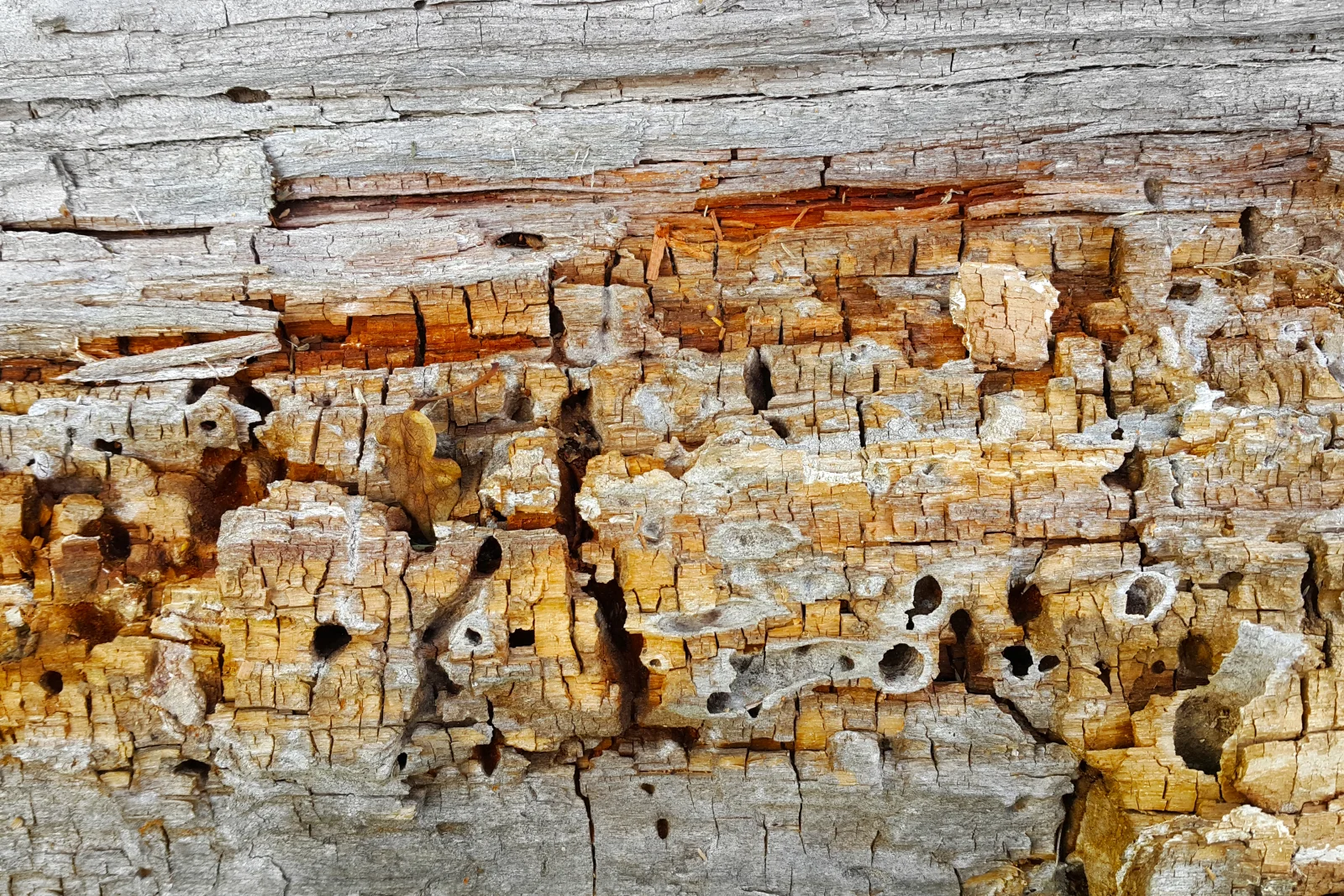
Carpenter ants don't eat wood the way termites do, but they excavate smooth tunnels through it to build a nest, usually starting in wood that's already been softened by a roof leak, monsoon moisture, or irrigation spray hitting a fascia board year after year. By the time you spot workers crossing a windowsill, there's often a colony already established somewhere you can't see.
Calling around means guessing whether the company you found will actually track down every nest, not just spray the ants in view. ShowUp Promise replaces that guesswork: describe what you're seeing and we match you with a vetted, licensed, insured, background-checked pro near you.
You get a real inspection and a treatment plan built for the colony you actually have, backed by the ShowUp Guarantee below.
Signs You Actually Have Carpenter Ants
Carpenter ants are bigger and leave different evidence behind than the small ants that show up around a kitchen counter. Look for:
- Large black or dark reddish ants, ¼ to ½ inch long, especially active at night
- Small piles of frass, sawdust-like wood shavings mixed with ant parts, near a sill or baseboard
- Smooth, clean-cut tunnels in damp or damaged wood, unlike the mud tubes termites leave
- Winged ants appearing indoors, a sign of an older, established colony
- A faint rustling or clicking sound inside a wall void, especially at night
- Ants foraging along a set path from an entry point toward food or water
Why Carpenter Ants Target Phoenix Homes
Moisture is the common thread. Mature, canal-fed shade trees in neighborhoods like Arcadia and older wood fascia and eaves around the Willo Historic District and Encanto-Palmcroft both give carpenter ants damp, shaded wood to nest in. In newer, heavily irrigated subdivisions out toward Ahwatukee and Desert Ridge, it's often sprinkler overspray hitting a patio beam or fascia board on the same spot for months that softens the wood enough to invite a colony.
Monsoon season adds another entry point, wind-driven rain finds its way behind loose flashing or a window frame that isn't fully sealed, and that trapped moisture is exactly what a colony looks for. Once established outdoors within a few hundred feet of the house, a colony can send a satellite nest inside through the smallest gap.
A pro who knows these patterns checks the moisture source first, not just the ants in view, which is the difference between a treatment that lasts and one that doesn't.
Will Carpenter Ants Actually Damage My House?
Yes, though not the same way termites do. Carpenter ants don't eat wood, they excavate smooth galleries through it to nest, favoring wood that's already softened by moisture. Left alone, that excavation weakens the wood over time, and it's rarely limited to the spot you can see.
The National Pesticide Information Center's carpenter ant guidance is direct about it: finding every nest, not just the trail you can see, is the key to actually eliminating a colony, which is why a thorough inspection matters more than spraying the one line of ants you noticed.
A pro who traces the colony back to every active nest, not just the closest one, is what actually stops the damage instead of just thinning out the visible workers for a few weeks.
How ShowUp Promise Connects You With a Pro
Getting matched takes a couple of minutes. Tell us what you're seeing, ants, frass piles, winged swarmers, or a spot of wood that feels soft, and we connect you with an available, vetted pro from our network of trusted contractors in Phoenix.
You see and approve an upfront price before any treatment begins, pay securely in-app, and track your pro's arrival, every pro is vetted before they join the network.
No app to download and no obligation to book the first quote, just a faster path to getting the colony found and treated correctly.
The ShowUp Guarantee
Every carpenter ant pro in the ShowUp Promise network is vetted, licensed, insured, and background-checked before they ever reach your property. You approve the price before treatment starts, and if a pro doesn't show, you don't pay, the system reassigns your job to the next available verified pro instead.
What Carpenter Ant Control Costs in Phoenix
A single, accessible colony, one you can point to along a baseboard or window frame , typically runs $150 to $350 to treat. A hidden colony inside a wall void or roofline that needs drilling or void injection to reach costs more, often $300 to $600, since the pro has to treat the nest directly rather than just the ants in view.
Most Phoenix companies include a follow-up visit if activity continues, and some offer a quarterly pest plan that covers ants alongside other common Valley pests.
With ShowUp Promise you see an all-in price and approve it before treatment starts, no surprise add-ons once the pro is already at your door.
Serving Phoenix and the Whole Valley
ShowUp Promise matches homeowners with carpenter ant pros across Phoenix and the wider Valley, Mesa, Scottsdale, Chandler, Tempe, Gilbert, Glendale, Peoria, Surprise, Goodyear, and Avondale, from the tree-lined streets near Camelback Mountain to the newer irrigated subdivisions along Loop 101 and Loop 202. There is likely a vetted pro nearby who can come fast.
Dealing with more than just carpenter ants? The same network covers other home pest jobs Phoenix homeowners run into, like wasp removal in Phoenix, bee removal in Phoenix, hornet nest removal in Phoenix, scorpion control in Phoenix, cockroach extermination in Phoenix, bed bug pest control in Phoenix, rat control in Phoenix, snake removal in Phoenix, gopher control in Phoenix, pigeon removal in Phoenix, eco-friendly pest control in Phoenix, and commercial pest control in Phoenix. You can also browse all of our trusted contractors in Phoenix in one place.
Carpenter Ant Control Phoenix FAQ
How Much Does Carpenter Ant Control Cost in Phoenix?
How Do I Know These Are Carpenter Ants and Not Just Regular Ants?
Will Carpenter Ants Actually Damage My House?
Can I Get Rid of Carpenter Ants Myself?
What Attracts Carpenter Ants to a Phoenix Home?
How Long Does Treatment Take, and Will They Come Back?
Is Carpenter Ant Treatment Safe for Kids and Pets?
Get Your Carpenter Ant Problem Solved
Match with a vetted, licensed, insured Phoenix pro who finds every nest, treats the colony correctly the first time, and helps keep it from coming back.