House Sealing in Phoenix, Arizona
House sealing in Phoenix usually comes up after someone finds a scorpion in the bathtub or hears movement in the attic, the pest got in because the house has a gap that was never closed, whether that's a weep hole, a cracked expansion joint, or a hollow block wall void.
Tell us what you're dealing with and get matched with a vetted, licensed, insured pro who inspects first and quotes an upfront price before any sealing starts.
No app to download. Works right in your browser.
ShowUp Guarantee, no-show means no pay.
Free inspection, upfront pricing, no obligation.
Why House Sealing Matters in the Phoenix Desert
Every pest that ends up inside a Phoenix home got in through a gap somebody could have closed, a weep hole along the stucco base, a cracked expansion joint, a hose bib penetration that was never packed with mesh, or a void in an older hollow block wall. Desert landscaping and block-wall construction give scorpions, roof rats, and roaches plenty of harborage right up against the foundation, so the entry points matter more here than in most climates.
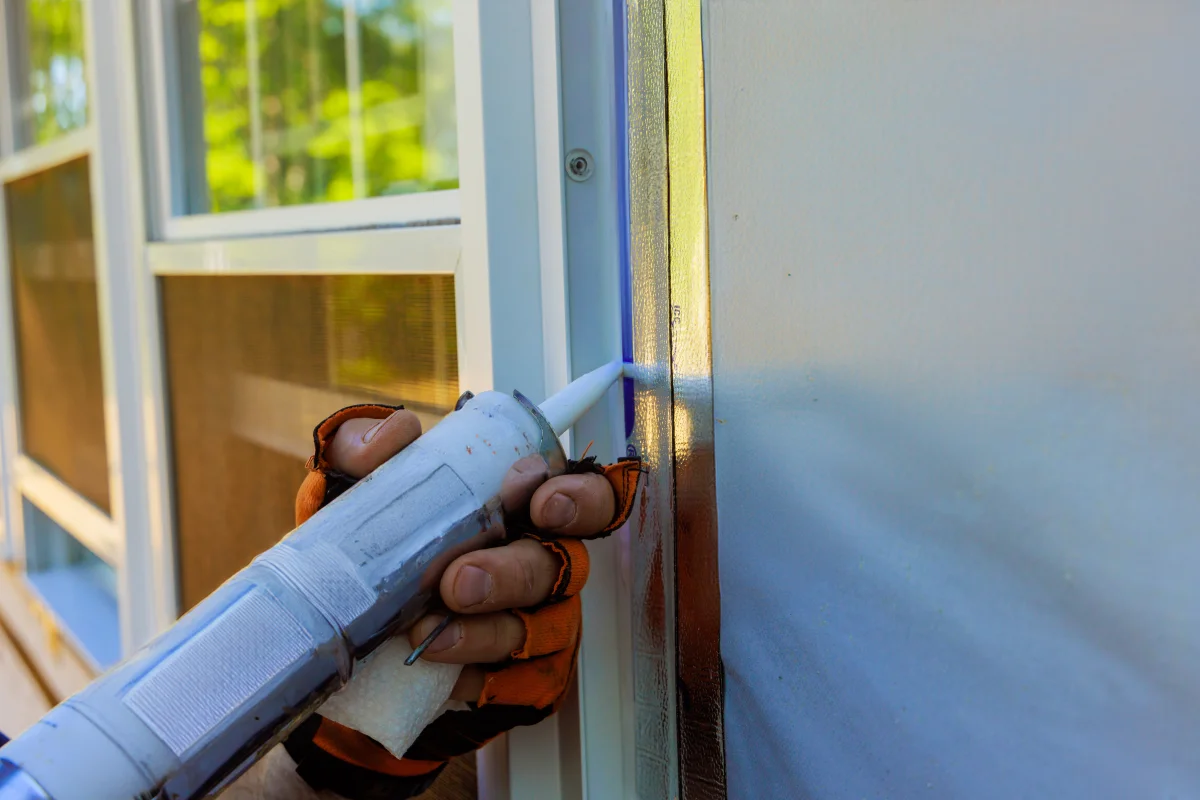
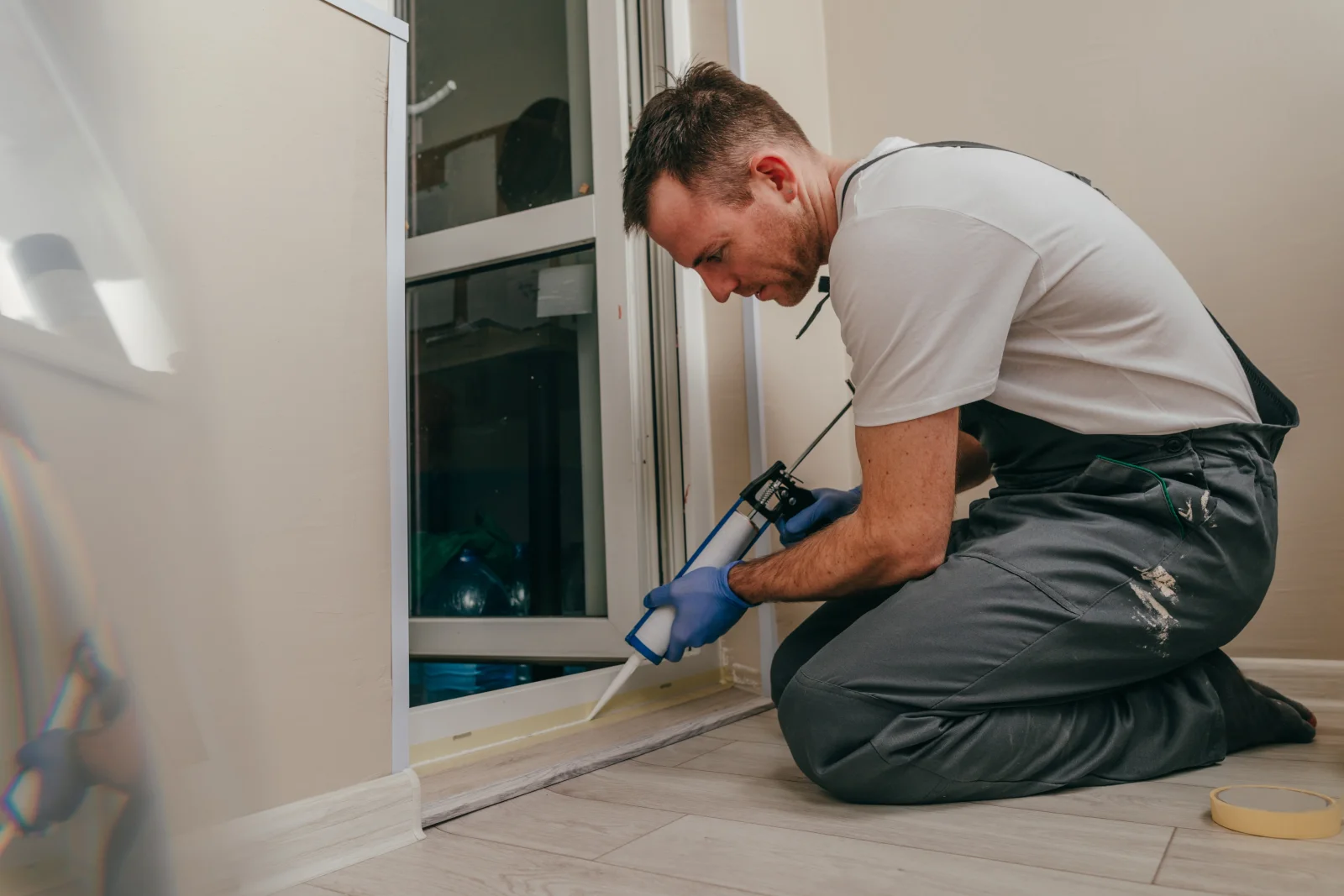
A house sealing visit finds those specific gaps and closes them with the right material for each one, copper mesh where the house still needs to breathe, caulk where it doesn't, door sweeps where daylight shows under the threshold.
ShowUp Promise replaces the guesswork of finding a trustworthy pro yourself: tell us what's going on and we match you with a vetted, licensed, insured, background-checked technician, and if they don't show, the ShowUp Guarantee means you don't pay.
What a House Sealing Visit Covers
Pros matched through our network work from a full exterior inspection, then close what they find:
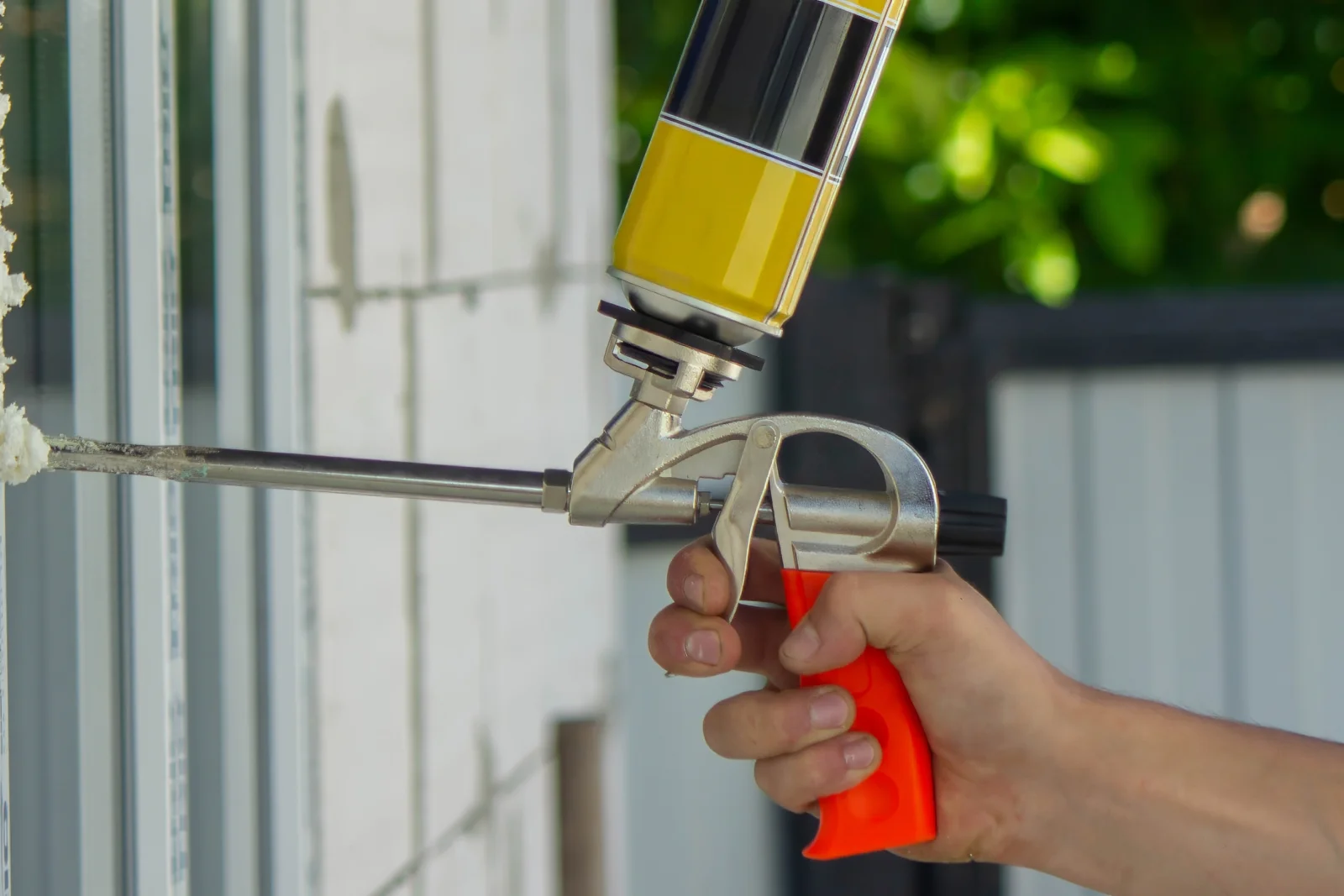
- Copper mesh and sealant packed around utility penetrations, hose bibs, AC line sets, conduit
- Fine mesh screening over weep holes, without blocking the drainage they need
- Door sweeps and weatherstripping so no gap under an entry door exceeds a pencil width
- Caulking foundation cracks and stucco expansion joints
- Capping or sealing voids in hollow block walls where scorpions harbor
- Garage door bottom seals and side-wall gaps
- Dryer vent and roofline gap screening
How a House Sealing Visit Works
Your technician starts with a free, no-obligation walk-around inspection, checking doors, windows, utility penetrations, weep holes, the garage, and the foundation line for anything a scorpion, rodent, or roach could use to get in.
From there, the scope comes from what they actually find, since every house seals differently. A sliding door or window track with daylight showing gets caulked and weatherstripped; a wider gap gets copper mesh backed with sealant so the wall can still drain and ventilate.
You see and approve an itemized price before any work starts, so a standard sealing visit never turns into a surprise bill once the pro is already there.
Every Phoenix Neighborhood Seals Differently
Older homes in Arcadia and Encanto, near Camelback Road and 7th Street, are often original 1950s and '60s hollow block construction, exactly the kind of wall void the University of Arizona's scorpion exclusion research flags as prime harborage, so sealing there focuses on capping block voids and closing utility penetrations.
Newer stucco track homes out in Ahwatukee Foothills and Laveen Village, closer to Baseline Road and the South Mountain foothills, lean harder on cracked expansion joints and weep-screed gaps as the desert landscaping around them settles.
Homes backing up to the washes near Papago Park and South Mountain Village see more pressure from scorpions and rodents moving in from the open desert, which is exactly why the inspection, not a generic checklist, decides what actually gets sealed.
What House Sealing Costs in Phoenix
A standard exclusion visit runs roughly $300 to $1,500, depending on the size and age of the home and how many entry points the inspection turns up.
A more comprehensive whole-house seal, often bundled as an add-on to ongoing monthly pest service, typically runs $600 to $2,500. Inspections are free with no obligation, so you know the real scope before committing to anything.
With ShowUp Promise you see an itemized, upfront price and approve it before the technician starts, so the total is never a surprise once they're already at your door.
Timing Matters More in Phoenix Heat
Once daytime temperatures push past 100 degrees, stucco and wood have already expanded, which makes gaps harder to seal accurately, and most sealants don't bond properly in direct summer sun. Fall through early spring is the window most pros recommend for a full sealing visit.
Sealed work typically carries a 1-2 year warranty, but Phoenix's heat cycles are still hard on caulk lines over time, re-inspecting every few years catches anything that's failed before it becomes a new entry point, especially on older homes where the foundation keeps settling.
Serving Phoenix and the Whole Valley
Beyond house sealing, ShowUp Promise matches Phoenix homeowners with pest control pros across the wider Valley, including Scottsdale, Tempe, Mesa, Chandler, Gilbert, Glendale, Peoria, Surprise, and Goodyear.
Already know what pest you're dealing with? The same network also handles scorpion control service, rat control and removal, cockroach exterminator service, carpenter ant control, silverfish control, hornet nest removal, wasp removal service, bed bug pest control, snake removal service, wildlife removal service, eco-friendly pest control, commercial pest control, bee removal, pigeon removal, gopher control, and emergency pest control. You can also browse all of our trusted contractors in Phoenix in one place.
The ShowUp Guarantee
Every pro in the ShowUp Promise network is vetted, licensed, insured, and background-checked before they ever reach your door. You approve the price before work starts, and if a pro does not show, you do not pay, the system automatically works to reassign your job to the next available verified pro.
House Sealing Phoenix FAQ
What Does House Sealing Actually Include?
How Much Does House Sealing Cost in Phoenix?
Will Sealing My House Guarantee No More Scorpions or Rodents?
How Long Does a House Sealing Visit Take?
Is House Sealing a One-Time Fix, or Does It Need to Be Redone?
What's the Best Time of Year to Seal a House in Phoenix?
Get Your House Sealed Now
Match with a vetted, licensed, insured pro who inspects first and quotes the job before any sealing starts.