Gazebo Builder in Phoenix, Arizona
A gazebo builder in Phoenix has to answer three questions before the first post goes in the ground: does it need a permit, will your HOA sign off, and can the roof and posts actually hold up to a desert summer. A prefab kit rarely gets all three right.
Tell us what you want to build, and get matched with a background-checked Phoenix carpenter who handles the design, the paperwork, and the build.
No app to download. Works right in your browser.
ShowUp Guarantee, no-show means no pay.
Most custom gazebos and ramadas: $4,000–$8,000, built on-site.
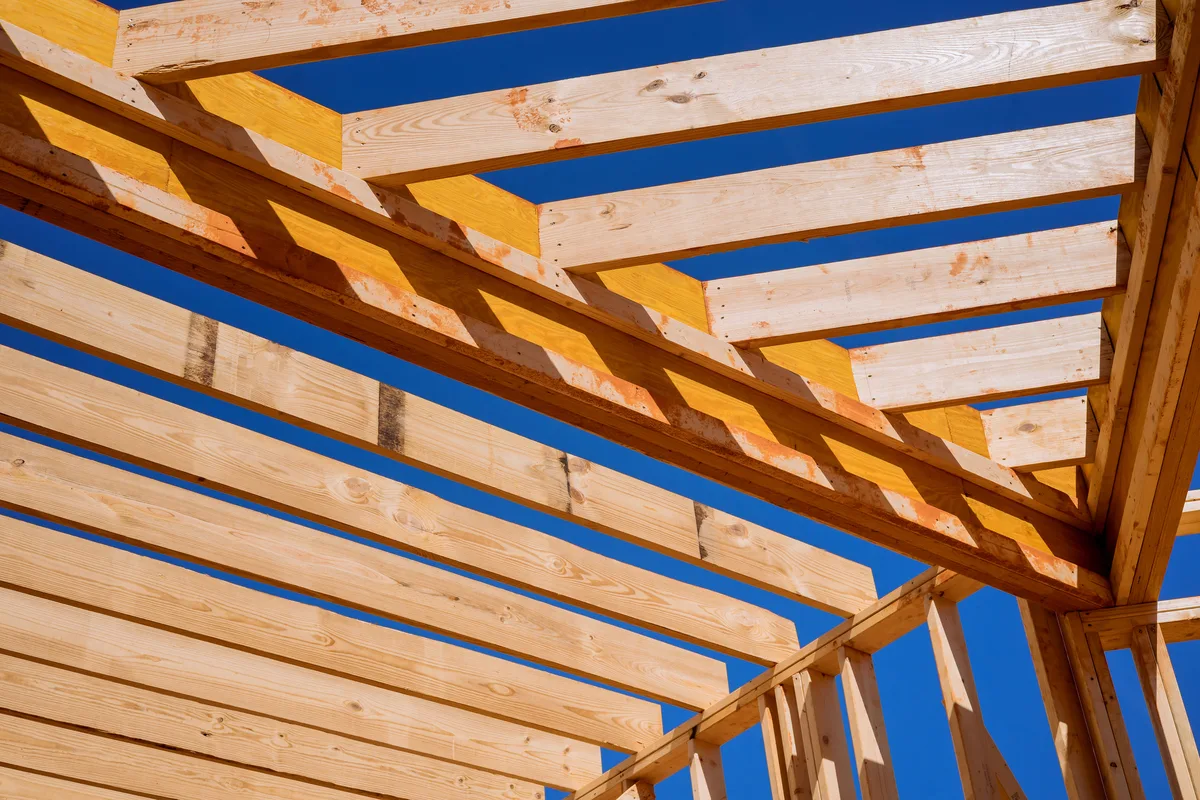
Why a Real Gazebo Builder Beats a Big-Box Kit
A prefab gazebo kit shows up in stock sizes with a stock roofline, fine for a basic shade cover, but it rarely matches the exterior your HOA architectural committee expects, and it almost never sits right on an odd patio footprint or handles the wind load a real Phoenix monsoon throws at it.
A custom gazebo builder in Phoenix designs to your actual lot: the exact footprint that clears your setbacks, the roofing material your HOA will approve on the first submission, and posts and footings sized for 110-degree summers and monsoon wind gusts instead of a generic climate.
ShowUp Promise matches you with a vetted, licensed, insured, background-checked carpenter who designs and builds it right the first time, and if they don't show up, the ShowUp Guarantee means you don't pay.
That matching also matters once the build is finished. A custom builder stands behind the framing and roofing with a written workmanship warranty, so a loose post base or a roof seam that starts leaking after the first monsoon gets fixed as a callback, not a new invoice, a guarantee a big-box kit installer rarely offers past the day the truck leaves.
What Phoenix Homeowners Are Building
"Gazebo" covers more ground than the classic octagon these days:
- Classic octagonal or round gazebos over a fire pit or seating area
- Open-sided ramadas built over a pool deck or outdoor kitchen
- Alumawood or vinyl gazebos sized for low-maintenance shade all summer
- Screened-in gazebos with mesh panels to keep bugs out during monsoon season
- Gazebos wired for a ceiling fan and recessed lighting for evening use
- Larger event gazebos sized past the 200-square-foot permit-exempt line for hosting
The bigger the use case, the more it matters that the roof and posts are actually engineered for it, a gazebo hosting a crowd needs real footings, not four posts set in loose dirt.
Materials Built for a Desert Summer
Standard cedar or pine framing works, but UV-treated wood or powder-coated alumawood holds up far longer against Phoenix sun, untreated lattice roofing can start checking and graying within a couple of summers if it isn't sealed and re-coated.
Every post needs a poured concrete footing below the frost line, never a post set in loose dirt or gravel, a shallow footing is the fastest way to get a gazebo that racks or leans once monsoon wind gusts hit the roof panels broadside.
For a gazebo doing double duty as an outdoor living space, a solid or louvered roof panel blocks UV better than open lattice, and a ceiling fan keeps the space usable through July and August instead of turning into a hot box by 10 a.m.
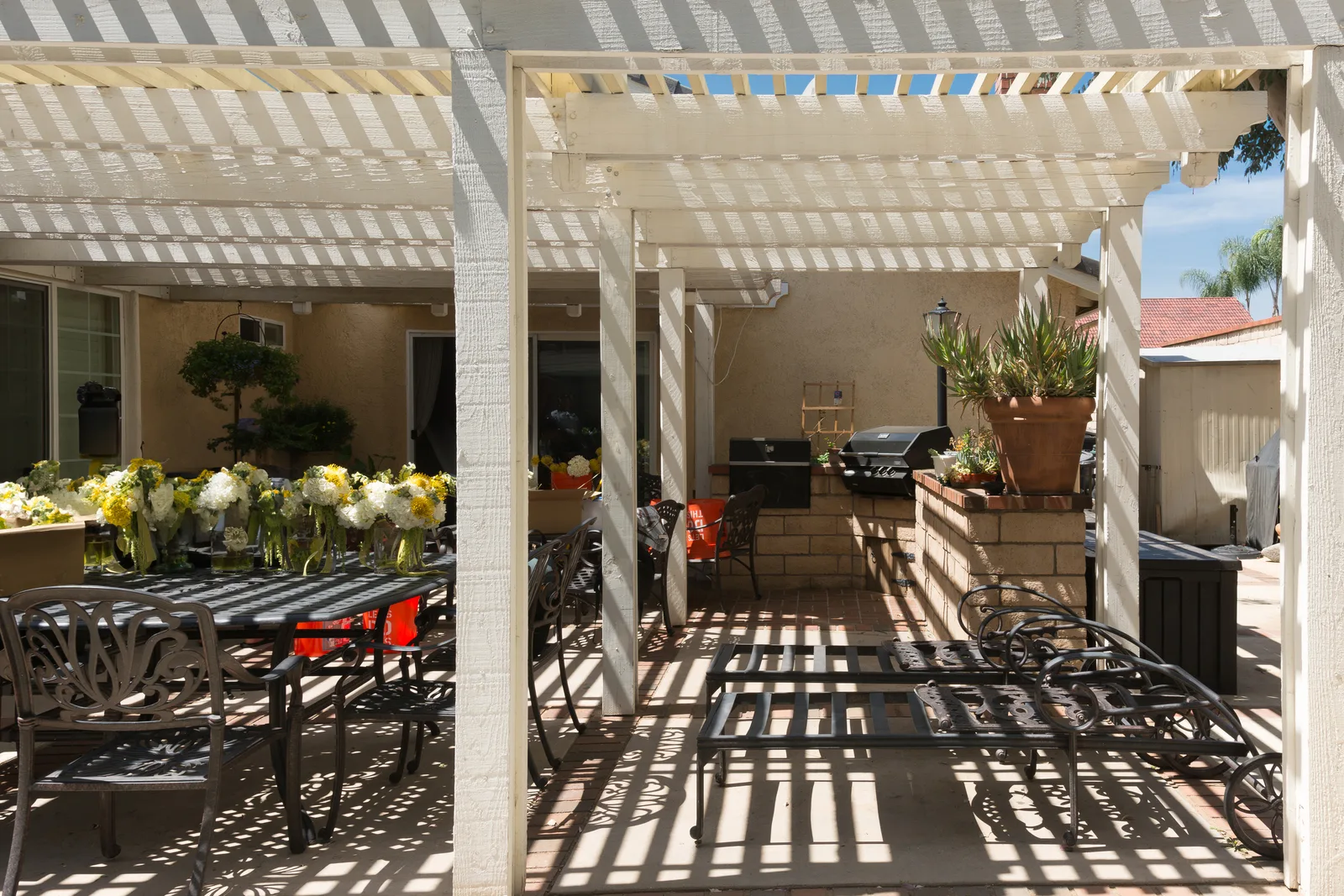
Permits, Setbacks, and HOA Approval
The City of Phoenix waives the building permit for a one-story gazebo, ramada, or pergola under 200 square feet with no power or plumbing, go bigger, or add a light or fan circuit, and it needs one. Even a permit-exempt gazebo still has to clear zoning setbacks from the rear and side property lines and stay out of the required front yard, with Planning Services plan-approval still required.
If your lot sits inside an HOA, common in master-planned communities like Desert Ridge, Anthem, Verrado, and Estrella near Loop 101 and I-17, the community's CC&Rs, backed by Arizona's planned community statutes, usually require architectural committee sign-off before you build, regardless of permit status.
Older, non-HOA neighborhoods like Arcadia and Sunnyslope skip the committee step, but the city setback and zoning rules still apply everywhere. Your pro checks both before drawing up plans, not after the footings are already poured.
When a build does need a city permit, over 200 square feet, or wired for power , plan on a footing inspection before the concrete cures and a final walkthrough once the roof is on. Skipping that step to save time is the most common reason a Phoenix homeowner ends up digging up a footing later to pass inspection retroactively.
What a Custom Gazebo Costs and How Long It Takes
A straightforward 10x10 to 12x14 gazebo or ramada built on-site typically runs $4,000 to $8,000. A larger custom gazebo with a finished ceiling, electrical, and premium roofing usually lands between $9,000 and $18,000+, depending on size and roof material.
Most custom builds go from signed design to finished gazebo in 2 to 3 weeks once footings are dug and cured. If your HOA requires architectural approval, budget another 1 to 3 weeks on the front end for that review before a pro can break ground.
Prefab kit gazebos delivered pre-cut cost less upfront but limit you to stock sizes and finishes, worth it for basic shade, a weak fit once HOA matching or a heavier roof load is in play. With ShowUp Promise you see an itemized quote before any post goes in the ground.
Serving Phoenix and the Whole Valley
ShowUp Promise matches homeowners with gazebo builders and carpenters across Phoenix and the wider Valley, including Arcadia, Paradise Valley, Camelback Corridor, Ahwatukee, Deer Valley, Scottsdale, Tempe, Mesa, Chandler, and Gilbert. Wherever your lot is, there is likely a vetted pro nearby who has already worked with your city's permit desk and your HOA's architectural committee.
Building something other than a gazebo, or need it framed in with a matching feature? The same network covers custom woodworking, pergola installation, upholstery repair, cabinet repair, dry rot repair, finish carpentry, custom millwork, garage shelving, custom furniture, cabinet refinishing, antique furniture repair, framing contractors, custom bookshelves, alumawood pergola installation, deck building, wood floor installation, and shed building. You can also browse all of our trusted contractors in Phoenix in one place.
The ShowUp Guarantee
Every carpenter in the ShowUp Promise network is vetted, licensed, insured, and background-checked before they ever reach your door. You approve the design and price before framing starts, and if a pro does not show, you do not pay, the system automatically works to reassign your job to the next available verified pro so your build never stalls.
Gazebo Builder Phoenix FAQ
Do I Need a Permit to Build a Gazebo in Phoenix?
How Much Does a Custom Gazebo Cost in Phoenix?
Will My HOA Let Me Build a Gazebo?
What Size Gazebo Can I Build Without a Permit?
Gazebo, Ramada, or Pergola, What's the Difference?
How Long Does It Take to Build a Custom Gazebo in Phoenix?
Get Your Phoenix Gazebo Built Right
Match with a vetted, licensed, insured Phoenix carpenter who handles the permit, HOA approval, and the build, and gives you an upfront price before the first post is set.