Concrete Coating in Phoenix, Arizona
Concrete coating in Phoenix has to survive conditions most of the country never sees, pavement hot enough to soften standard epoxy, UV strong enough to chalk out color in a couple of summers, and monsoon storms that find every unsealed crack.
Tell us what's on your concrete, a garage floor, driveway, patio, or pool deck, and get matched with a background-checked Phoenix pro who preps it right and coats it with a system built for Arizona sun.
No app to download. Works right in your browser.
ShowUp Guarantee, no-show means no pay.
Itemized pricing upfront, after your pro sees the actual concrete.
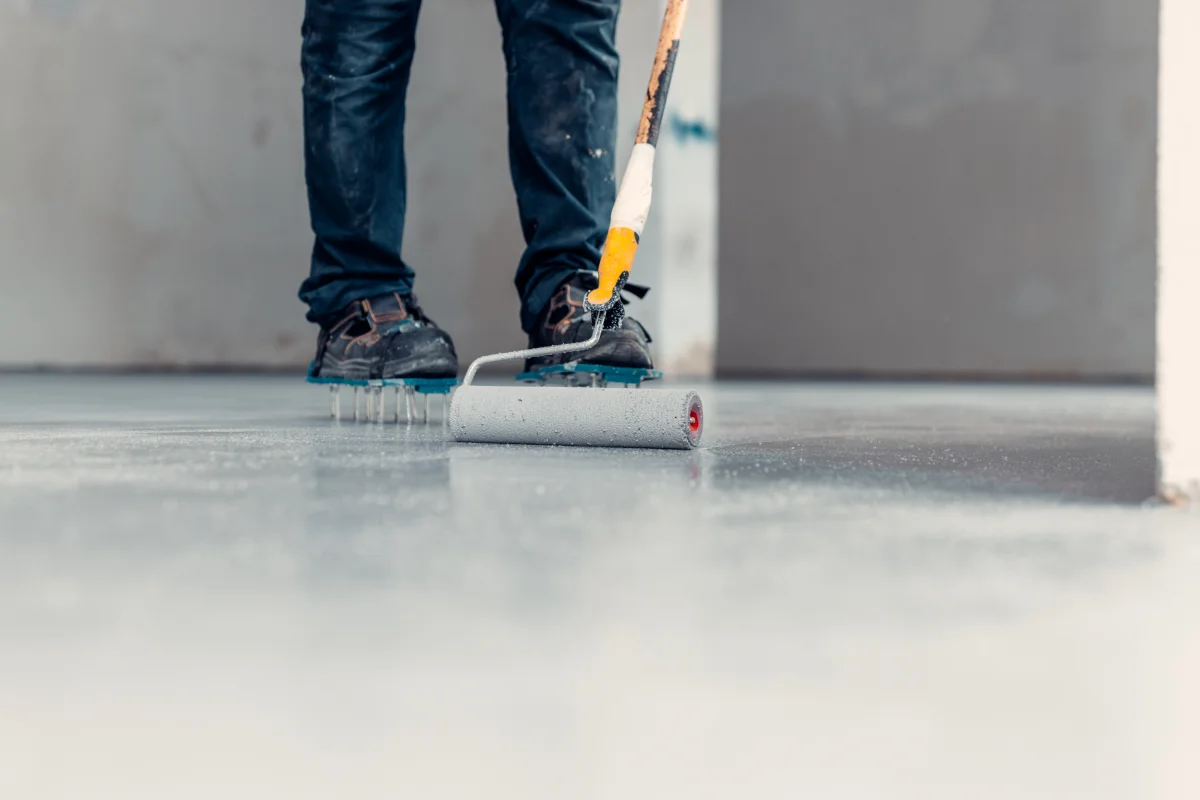
Why Phoenix Homeowners Coat Their Concrete
Bare concrete takes a beating in the Valley, garage floors get stained by oil and tire marks, driveways crack from expansion joints working overtime in triple-digit heat, and patios fade and pit after a few years of direct desert sun.
Most calls come from one of a few places: the floor has become genuinely hard to keep clean, an older coating is peeling or yellowing and needs to be dealt with, or a homeowner is tired of dusty, porous concrete and wants a finish that actually holds up here.
ShowUp Promise matches you with a vetted, licensed, insured, background-checked pro who preps the surface properly and applies a coating system chosen for Arizona heat, and if they do not show up, the ShowUp Guarantee means you do not pay.
When It's Time for Concrete Coating in Phoenix
Concrete coating calls fall into a handful of common situations:
- A garage floor is stained by oil, tire marks, or chemicals and has become hard to keep clean
- An old epoxy job is peeling, bubbling, yellowing, or showing hot-tire pickup near where cars park
- A driveway or patio has become too hot to walk on barefoot during the summer months
- Cracks have opened up around expansion joints and need repair before the surface is coated
- A home purchase or pre-listing inspection flagged bare or damaged concrete as a fix-before-sale item
- A new construction slab is ready for its first coating before it collects years of stains
- A pool deck or patio has lost its texture and feels slick when wet
Why Phoenix Heat and Monsoons Are Hard on Concrete Coatings
Older homes in neighborhoods like Arcadia, Sunnyslope, and Moon Valley often still have original driveways and garage floors poured decades ago, and by now most of that concrete is either bare or wearing a coating that's well past its useful life.
Newer construction out toward Desert Ridge, Laveen, and Ahwatukee gets the same punishment even on younger concrete: pavement along the Loop 101, Loop 202, and Loop 303 corridors regularly hits 150 to 180 degrees in direct summer sun, which is exactly the condition that causes hot-tire pickup on a standard epoxy coating.
A pro who coats floors and driveways across Central Phoenix, I-17 corridor neighborhoods, and the West Valley every summer knows to schedule prep and coating work around monsoon season, since a fresh coating needs dry cure time a surprise August storm can ruin.
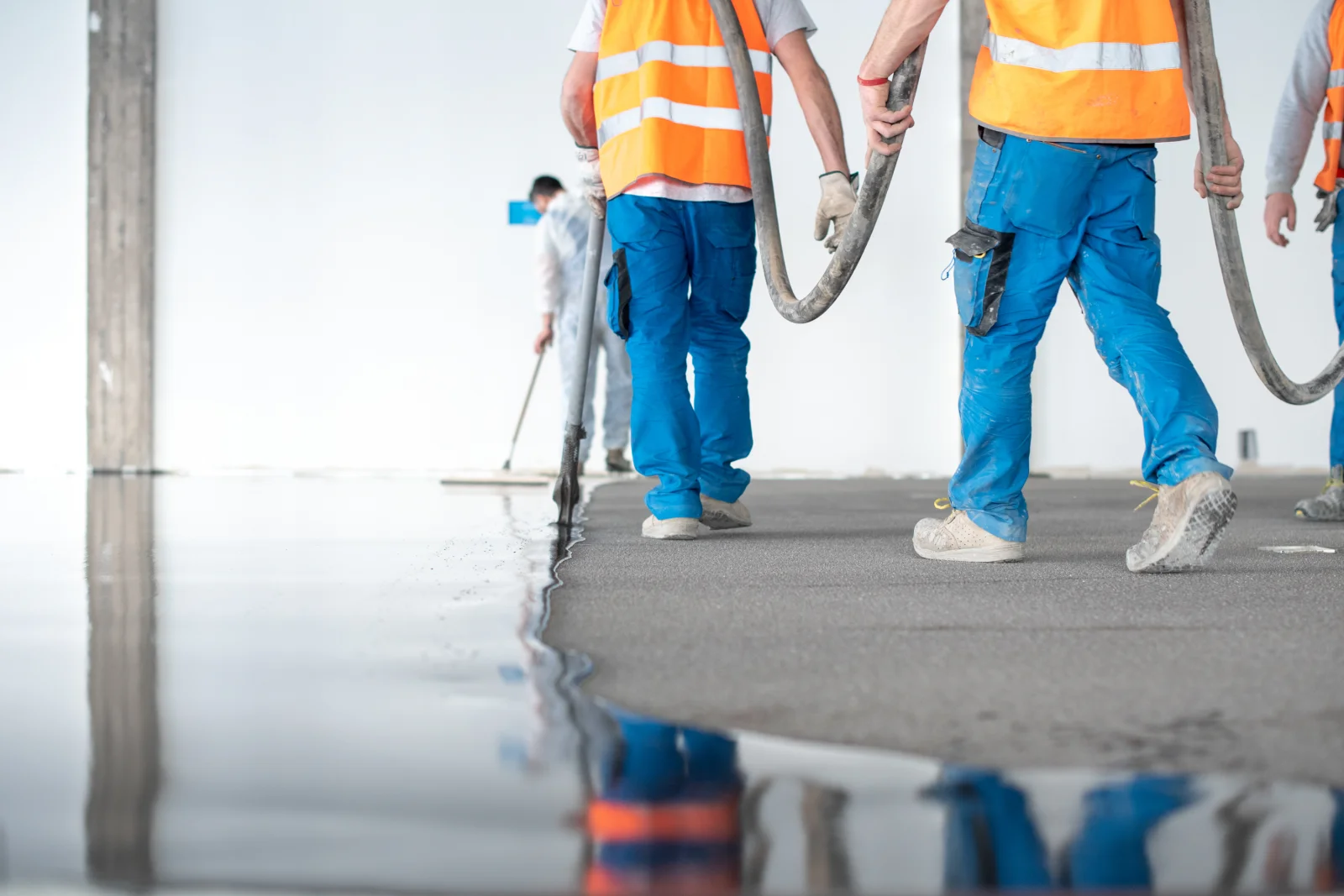
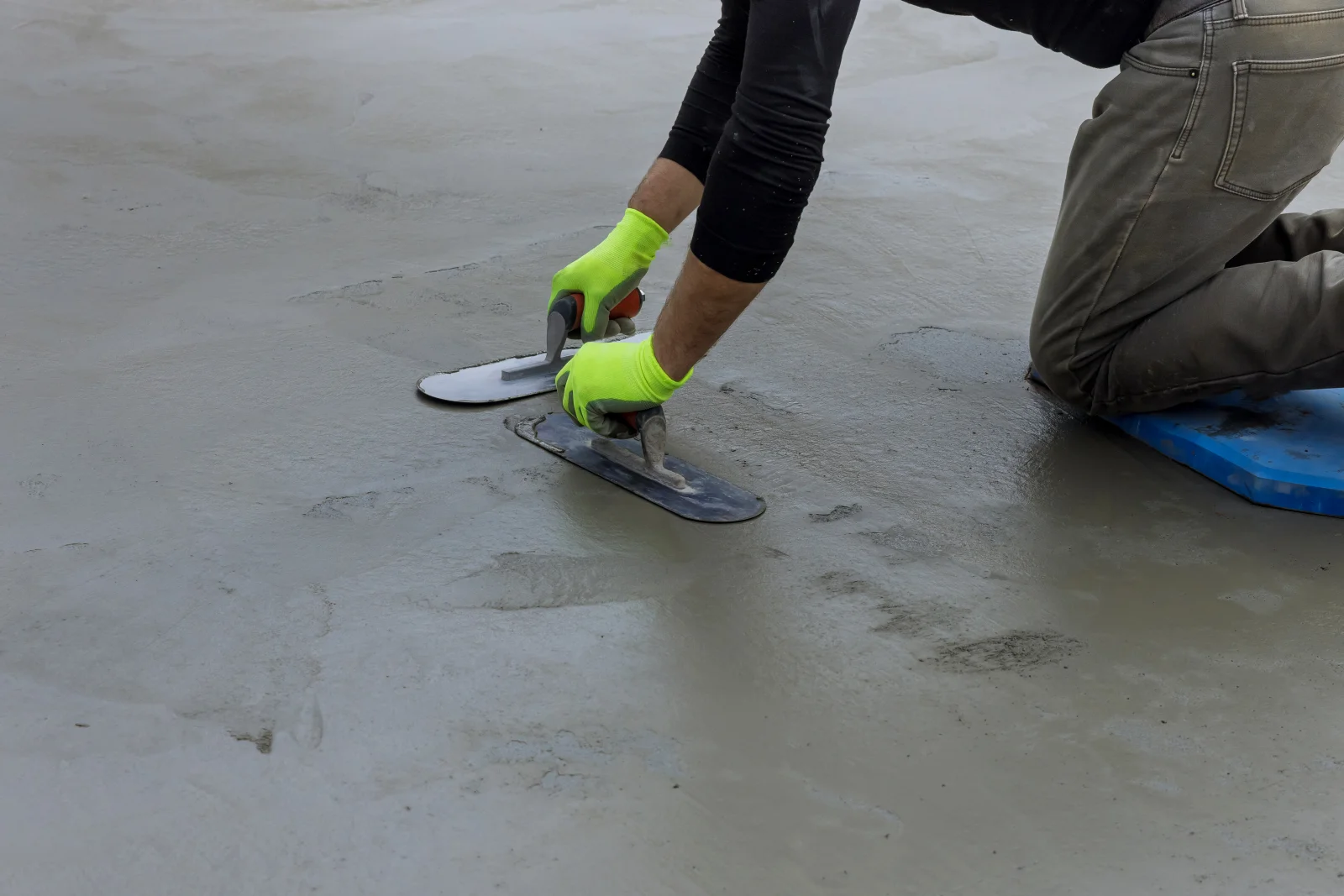
Surface Prep, Coating Types, and Getting It to Bond
Diamond grinding is the standard residential prep method, it mechanically opens the concrete's pores and strips off any failed coating so the new system actually bonds, instead of just sitting on top and peeling within a year.
Standard epoxy is the cheapest option but softens under Arizona heat; polyaspartic and polyurea systems cost more upfront but resist UV chalking and hot-tire pickup, and cure in as little as 24 to 48 hours instead of several days.
Because solvent-based coatings release fumes during application, pros working in the Valley follow Maricopa County's air quality guidance and increasingly favor low-VOC polyaspartic formulas for attached garages and enclosed patios.
What Concrete Coating Costs in Phoenix
A standard epoxy coating typically runs $5 to $7 per square foot, decorative flake systems run $6 to $9 per square foot, and metallic resin finishes push $8 to $12 per square foot or more for a Phoenix-area residential job.
A typical two-car garage lands between $2,000 and $6,000 depending on prep and condition, and polyaspartic or polyurea systems carry a premium over basic epoxy but often work out cheaper per year of coverage since they last two to three times as long here.
With ShowUp Promise you see an itemized, upfront price after your pro inspects the actual concrete in person, so there are no surprise add-ons once prep uncovers the real condition of the slab.
Serving Phoenix and the Whole Valley
ShowUp Promise matches homeowners with concrete coating pros across Phoenix and the wider Valley, including Arcadia, Sunnyslope, Moon Valley, Laveen, Desert Ridge, and Ahwatukee. Wherever your garage, driveway, or patio sits along the I-17, Loop 101, Loop 202, or Loop 303 corridors, there is likely a vetted pro nearby who preps and coats concrete for Phoenix sun and monsoon conditions every day.
Need help with another part of the house? The same network covers epoxy garage floor coating, pool deck painting, stucco repair, stucco contractors, cabinet painting, bathroom painting, interior painters, wallpaper installation, venetian plaster, drywall repair, and renovation contractors. You can also browse all of our trusted contractors in Phoenix in one place.
The ShowUp Guarantee
Every concrete coating pro in the ShowUp Promise network is vetted, licensed, insured, and background-checked before they ever reach your door. You approve the price before work starts, and if a pro does not show, you do not pay, the system automatically works to reassign your job to the next available verified pro so your project is never left half-finished.
Concrete Coating Phoenix FAQ
How Much Does Concrete Coating Cost in Phoenix?
Epoxy or Polyaspartic, Which Coating Handles Arizona Heat Better?
What Is Hot-Tire Pickup, and Will It Ruin My New Coating?
How Long Does a Concrete Coating Last in Phoenix's Climate?
What Does Surface Prep Involve, Do I Need Diamond Grinding?
Is DIY Epoxy Worth It, or Should I Hire a Pro?
How Long Is My Garage or Driveway Out of Use During the Job?
Can You Coat Over an Old Peeling Coating, or Does It Need to Be Stripped First?
Get Your Phoenix Concrete Coated Right
Match with a vetted, licensed, insured Phoenix concrete coating pro who preps it properly and coats it to handle the next decade of Arizona sun.