Epoxy Garage Floors in Phoenix
An epoxy garage floor in Phoenix has to survive real desert heat, vetted, licensed, insured installers who grind the slab right, repair the cracks, and lay a coating that shrugs off hot tires and dust.
Tell us what your garage floor looks like now and get matched with a background-checked Phoenix pro who shows up on time.
No app to download. Works right in your browser.
ShowUp Guarantee, no-show means no pay.
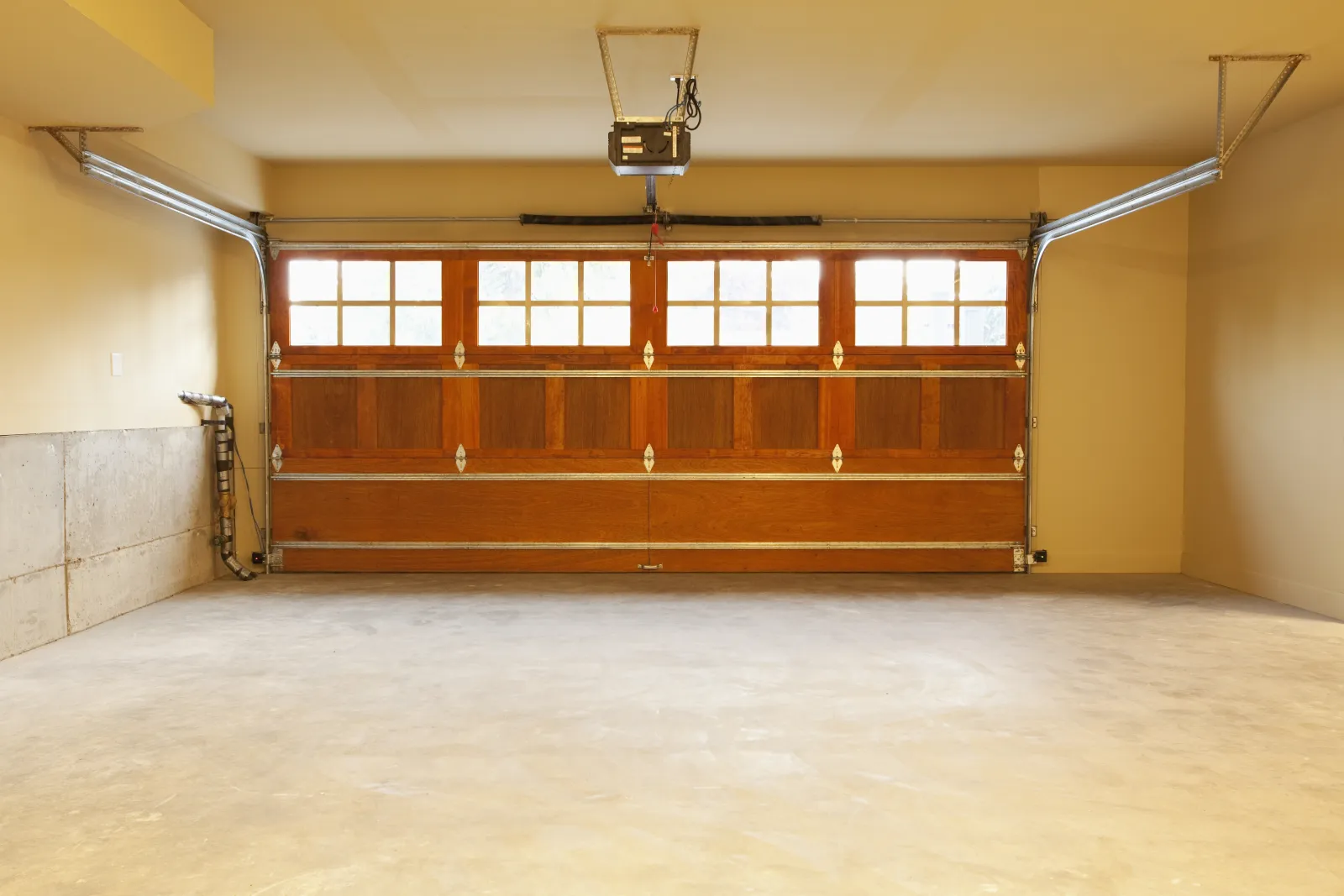
Epoxy Garage Floors in Phoenix Done Right
A coated garage floor is one of the best-value upgrades a Phoenix homeowner can make, it turns a dusty, oil-stained slab into a bright, easy-to-mop surface that hides stains and cracks and shrugs off the chemicals and grit a desert garage collects. Done right, you stop sweeping concrete dust for good.
The catch is that garage coatings are easy to get wrong. A weekend big-box kit or a crew that skips grinding will peel and lift within a summer or two, especially here, where hot tires and 120-degree slab temperatures punish anything that was not prepped and specified for the heat.
ShowUp Promise removes the gamble: describe your garage and we match you with a vetted, licensed, insured, background-checked coating pro near you. You get an honest read on the right system, an upfront price, and a pro who shows up, and if they do not, the ShowUp Guarantee means you do not pay.
What an Epoxy Garage Floor Actually Gives You
A quality coating is more than a good-looking floor. Here is what Phoenix homeowners get once bare concrete is properly ground and coated:
- A hard, abrasion-resistant surface that shrugs off dropped tools, jack stands, and daily wear
- Oil, brake fluid, and chemical resistance so spills wipe up instead of soaking into the slab
- A flake or metallic finish that hides existing stains, minor cracks, and future scuffs
- Hot-tire resistance so summer tires do not lift the coating off the concrete
- A sealed slab that stops the fine concrete dust a bare garage floor sheds constantly
- Bright, reflective color that makes the whole garage feel cleaner and easier to work in
Why Phoenix Heat Makes Prep and Product Everything
A Phoenix garage is a brutal test for any coating. Slab temperatures climb past 120 degrees in summer, tires come home from 115-degree asphalt hot enough to lift a weak coating, and the same heat that bakes the concrete also dries and shrinks it, opening the cracks a floor has to bridge.
That is why the two things that decide whether your floor lasts are prep and product. The slab has to be diamond-ground to a clean profile, cracks repaired, and moisture tested before a drop of coating goes down , a floor that peels is almost always a floor that was never prepped.
A pro who coats Valley garages every week knows to specify a high-solids epoxy or polyaspartic system built for our heat and UV, not a big-box kit. That local read is the difference between a floor you forget about for fifteen years and one you are scraping up by the second summer.
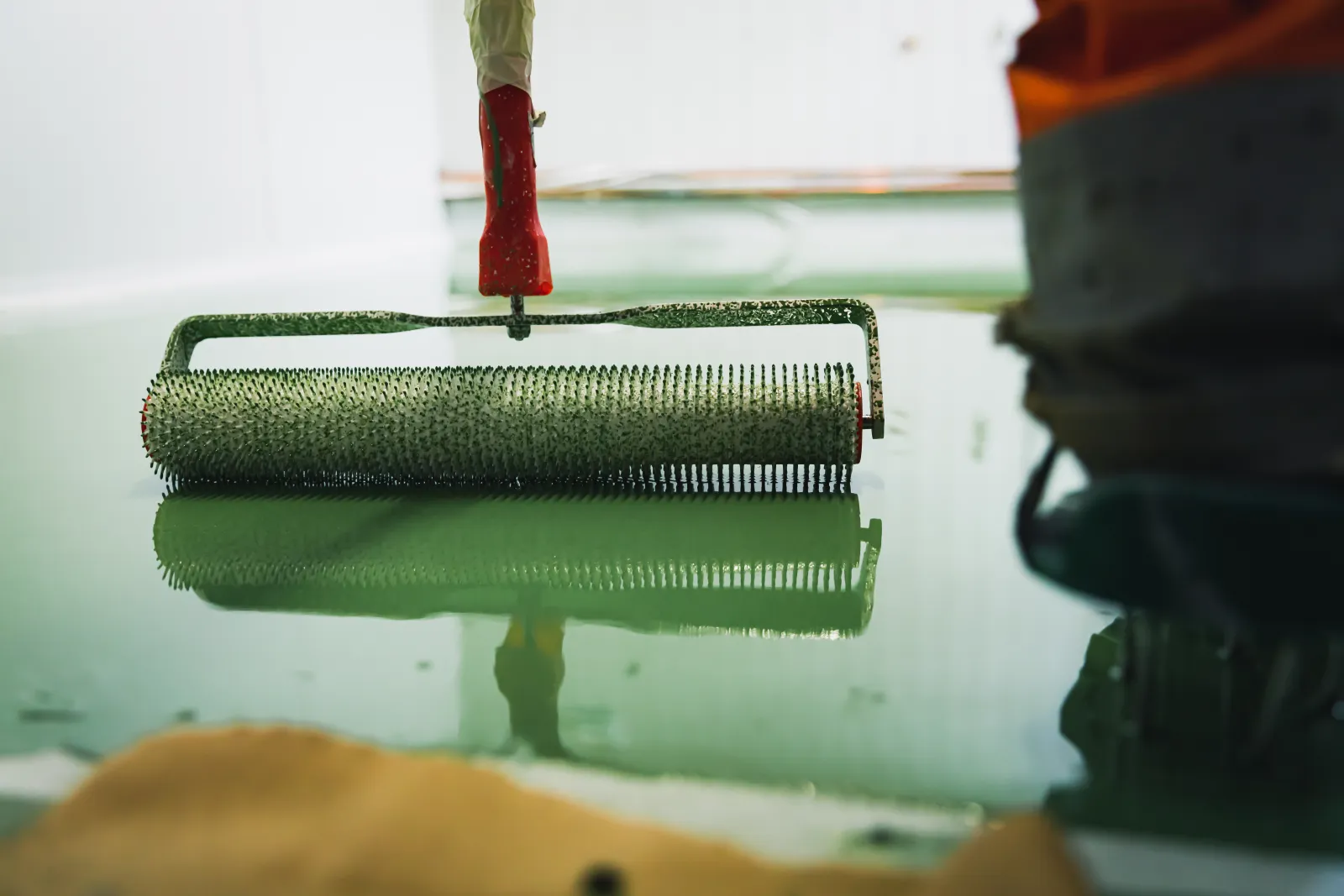
How ShowUp Promise Connects You With a Coating Pro
Getting matched takes a couple of minutes. Tell us about your garage, bare concrete with oil stains, an old coating that is peeling, a two-car slab you want in flake or metallic, and we connect you with an available, vetted coating pro from our network of trusted contractors in Phoenix.
You see and approve an upfront price before any work begins, pay securely in-app, and can track your pro's arrival. Because every pro is licensed, insured, and background-checked before they join, you skip the part where you wonder whether the crew you called actually grinds the slab and warranties the work.
No app to download and no obligation to book the first quote, just a faster, safer path to a garage floor that looks sharp and holds up to Phoenix heat.
The ShowUp Guarantee
Every coating pro in the ShowUp Promise network is vetted, licensed, insured, and background-checked before they ever reach your garage. You approve the price before work starts, and if a pro does not show, you do not pay, the system automatically works to reassign your job to the next available verified pro so you are never left with a half-prepped slab and no answer.
What an Epoxy Garage Floor Costs in Phoenix
A professionally installed floor typically runs $3 to $12 per square foot, so a typical two-car garage lands around $1,500 to $5,000. Solid-color epoxy sits at the low end, a flake system in the middle, and metallic or premium polyaspartic builds at the top.
The final number tracks the coating you choose and the shape of your slab, a clean floor is cheaper than one that needs heavy crack repair, oil-stain removal, or extra grinding. Because prep is what makes a floor last, a good installer prices that work in rather than cutting it to win the bid.
With ShowUp Promise you see an all-in price and approve it before any work begins, so there are no surprise add-ons after the job. Ask for the system, the mil thickness, and any workmanship warranty in writing so you know exactly what you are paying for.
Choosing the Right Finish for Your Garage
There is no single best coating, there is the right one for your garage, your budget, and how hard the floor gets used. Common options a Phoenix pro will walk you through:
- Solid-color epoxy, the simplest, most affordable finish for a clean, uniform look
- Flake or chip systems, vinyl chips that hide dust and cracks and add slip resistance
- Metallic epoxy, a marbled, high-gloss showroom finish for a standout garage
- Polyaspartic top coat, faster cure plus UV, heat, and hot-tire resistance for our climate
- Epoxy base with a polyaspartic top coat, build and adhesion where it counts, heat protection on top
- Anti-slip additives at the coating stage for a garage that stays safe when wet
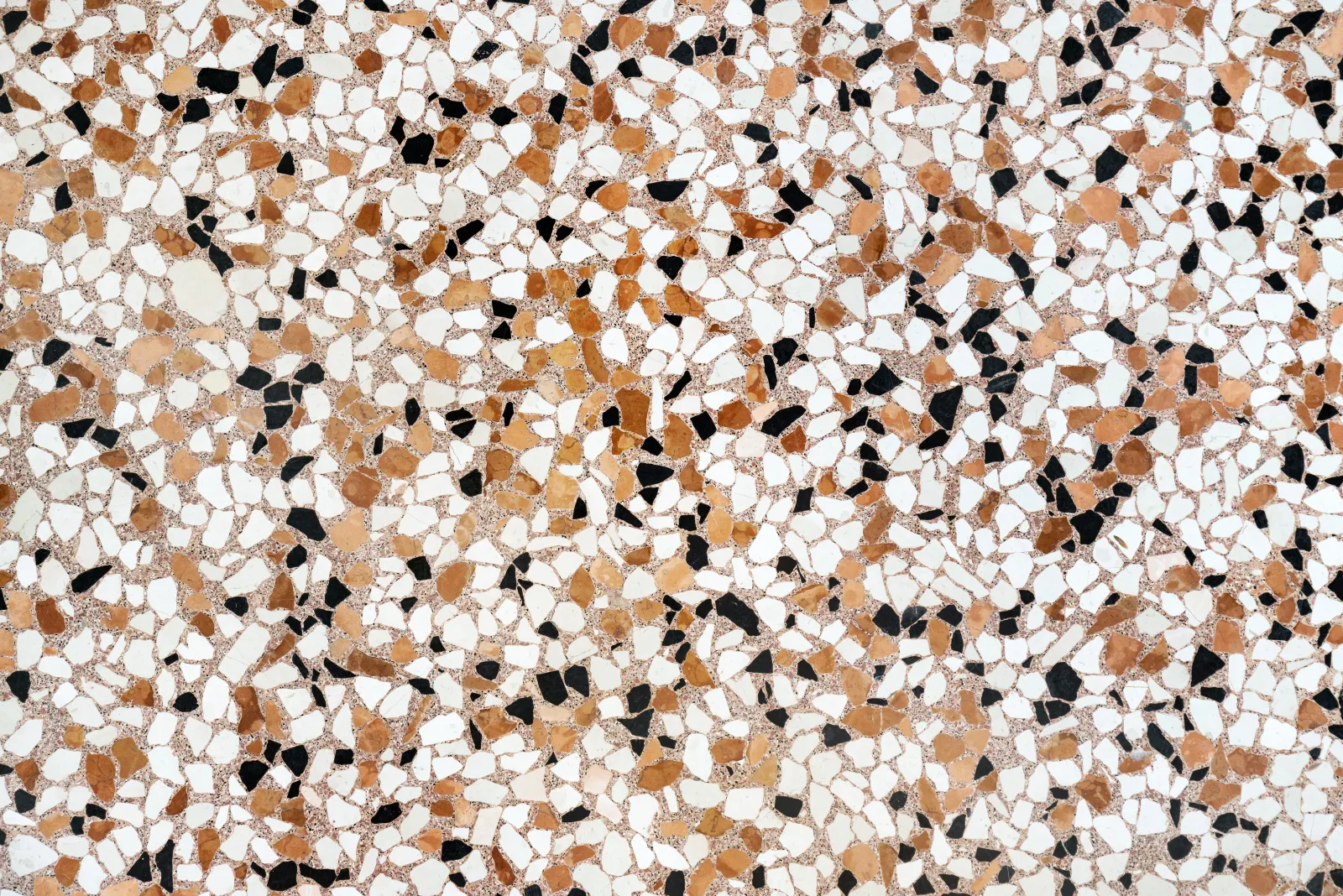
Cure Time, Longevity, and a Floor That Lasts
Once the coating is down, cure time depends on the system. Traditional epoxy usually wants a day before foot traffic and a few days before you park on it, while a polyaspartic install can be walk-on ready in hours and back to vehicle traffic in about a day, the reason installers reach for it when you cannot lose the garage for a week.
A properly prepped floor then lasts roughly 10 to 20 years with almost no upkeep beyond an occasional mop. A polyaspartic top coat pushes toward the top of that range because it resists UV yellowing, abrasion, and the hot-tire pickup that ends cheap floors early.
Whether you want a simple solid color or a full flake showroom look, ShowUp Promise matches you with a vetted pro who preps the slab, specifies the right system, and quotes it upfront, so you get a floor you forget about for years, not one you are scraping up next summer.
Serving Phoenix and the Whole Valley
ShowUp Promise matches homeowners with epoxy and polyaspartic garage floor installers across Phoenix and the wider Valley, including Mesa, Scottsdale, Chandler, Tempe, Gilbert, Glendale, Peoria, Surprise, and Goodyear. Wherever your garage is, there is likely a vetted pro nearby who coats floors for our heat every day.
Upgrading more than just the garage? The same network covers other home-improvement jobs Phoenix homeowners need, like stucco repair in Phoenix, and landscape lighting in Phoenix. You can also browse all of our trusted contractors in Phoenix in one place.
Epoxy Garage Floor Phoenix FAQ
How Much Does an Epoxy Garage Floor Cost in Phoenix?
Will an Epoxy Coating Hold Up to Phoenix Garage Heat and Hot Tires?
Why Do Epoxy Garage Floors Peel, and How Do I Avoid It?
How Long Does It Take to Cure and When Can I Park on It?
How Long Will an Epoxy Garage Floor Last?
What Coating Options Are There, Flake, Metallic, or Solid Color?
Is Epoxy or Polyaspartic Better for a Phoenix Garage?
Do I Need a Permit to Coat My Garage Floor in Phoenix?
How Do I Know the Installer Is Licensed, Insured, and Vetted?
Get Your Phoenix Garage Floor Coated
Match with a vetted, licensed, insured Phoenix coating pro who grinds the slab right, picks the system built for our heat, and shows up when they say they will.