Pool Deck Painting in Phoenix, Arizona
Pool deck painting in Phoenix usually comes down to one of three problems: the concrete has gotten too hot to walk on barefoot, the color has faded and stained after a few desert summers, or cracks and a peeling old coating need to be fixed before anything new goes down.
Tell us about your deck and get matched with a background-checked Phoenix pro who preps it right and coats it to last through the next monsoon season.
No app to download. Works right in your browser.
ShowUp Guarantee, no-show means no pay.
Itemized pricing upfront, after your pro sees the actual deck.
Why Phoenix Homeowners Repaint or Recoat a Pool Deck
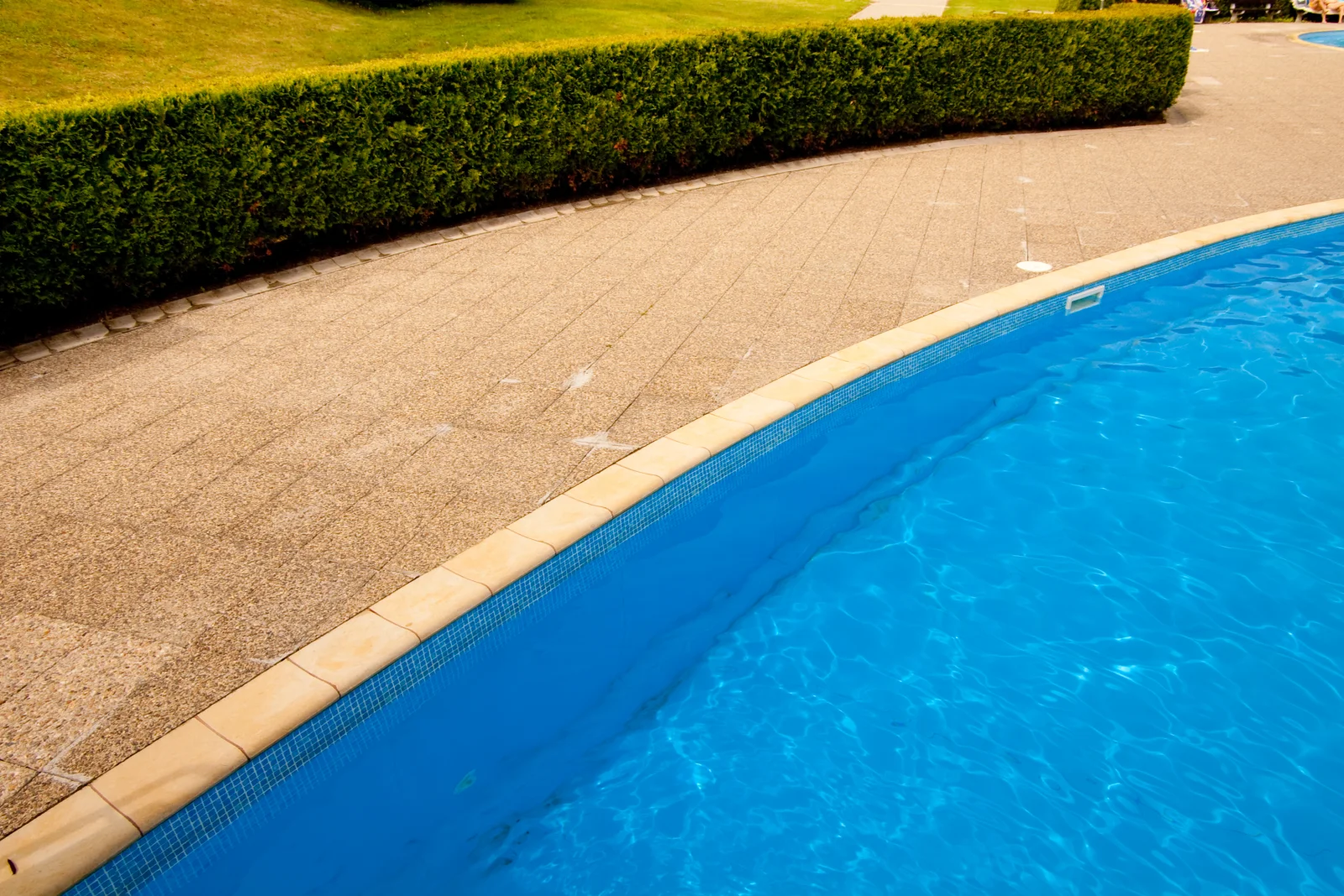
A pool deck takes more direct sun than almost any other surface at a Phoenix home, and it shows , fading color, hairline cracks around expansion joints, staining from chlorine or hard water splash, and a surface that gets genuinely dangerous to walk on barefoot by mid-afternoon in July.
Most calls come from one of three places: the deck has become too hot to use during the exact months you actually want to use the pool, the finish has faded and stained past the point of looking cared for, or an existing coating is cracking and peeling and needs to be fixed before it gets worse.
ShowUp Promise matches you with a vetted, licensed, insured, background-checked pro who preps the surface properly and applies a coating built for Arizona sun, and if they do not show up, the ShowUp Guarantee means you do not pay.
When It's Time for Pool Deck Painting in Phoenix
Pool deck painting calls fall into a handful of common situations:
- The deck gets too hot to walk on barefoot by mid-afternoon in the summer months
- The original color has faded to a chalky pastel or is heavily stained from chlorine, algae, or hard water
- An old coating is bubbling, peeling, or flaking in patches and needs to be dealt with before it spreads
- Cracks have opened up around expansion joints, coping, or steps and need repair before recoating
- A home purchase or pre-listing inspection flagged the deck as worn, cracked, or slippery when wet
- A pool remodel or replaster is underway and the deck is being redone to match
- The current surface has lost its texture and feels slick when wet around the pool edge
Why Phoenix Heat and Monsoons Are Hard on Pool Decks
Older mid-century backyard pools are common in neighborhoods like Arcadia and Moon Valley, where plenty of decks were originally poured with Kool Deck, a product actually invented right here in Arizona, by Mortex in Tucson back in 1962, and by now most of those original surfaces are well past due for a recoat.
Newer backyard pools out toward Desert Ridge, Ahwatukee, and along the Loop 101 and Loop 202 corridors get the same summer punishment even on younger concrete: UV exposure fades color within a few years, and monsoon storms drive water into any hairline crack that goes unrepaired, widening it season after season.
A pro who recoats decks across Central Phoenix, Sunnyslope, and Laveen every summer knows to schedule crack repair and coating work around monsoon season, since a fresh coating needs dry cure time a surprise August storm can ruin.
Surface Prep, Cracks, and Getting the Coating to Bond
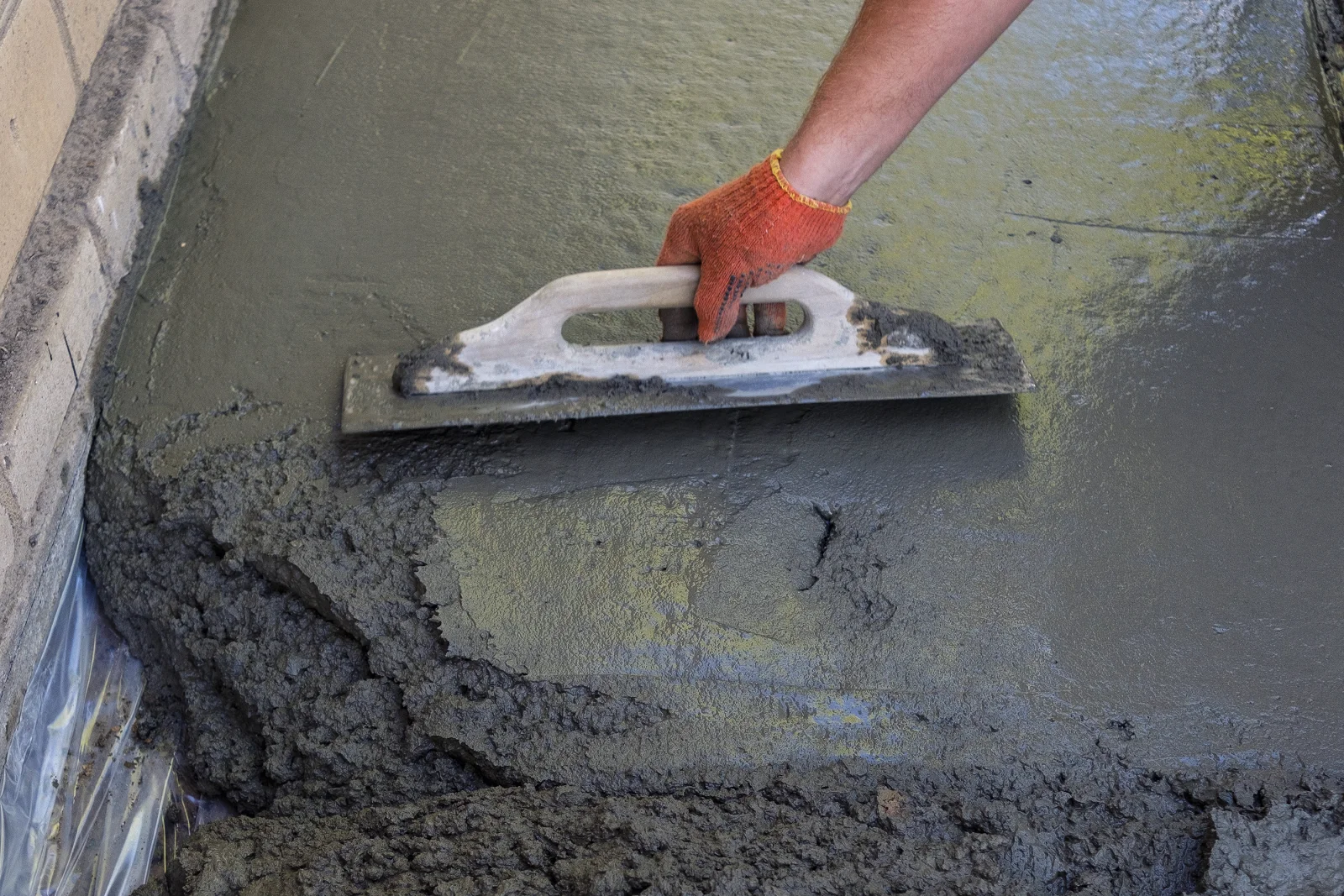
Every crack gets widened slightly, cleared of loose concrete, and patched flush before anything else happens, patching over a crack without opening and cleaning it first is the most common reason a repair line telegraphs through the new coating within a year.
Once repairs cure, the deck gets acid-etched or pressure-washed at a minimum of 3,200 PSI to open the surface pores so the coating can actually bond, not just sit on top. Skipping this step is the single biggest cause of the bubbling and peeling that shows up on a botched repaint within a season or two.
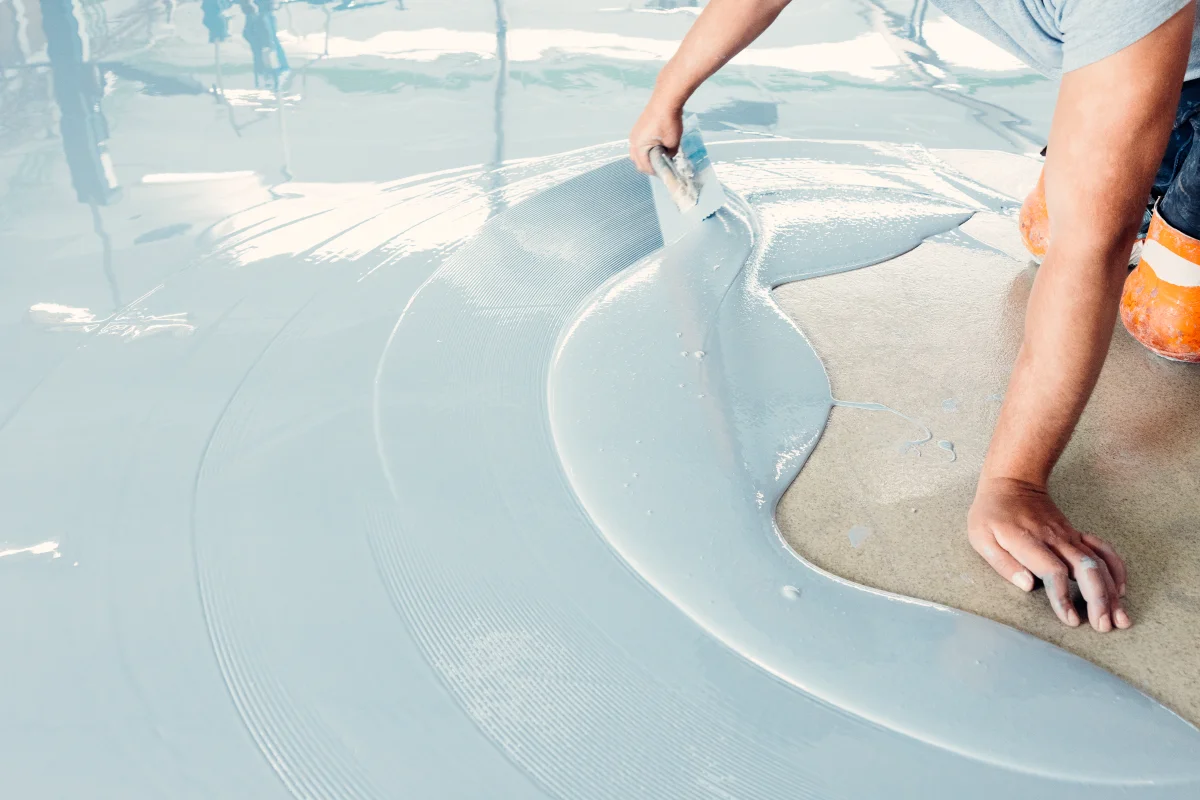
Most Phoenix repaints use a textured acrylic overlay, troweled or sprayed over your existing concrete, rather than true Kool Deck, which only goes down during an original concrete pour. Your pro tells you plainly which applies to your deck.
Keeping the Deck Cool Enough to Walk on Barefoot
On a 110-degree Phoenix afternoon, bare concrete can reach 150°F or more, hot enough to burn bare feet in seconds, which is exactly why extreme-heat warnings from Maricopa County's guidance on staying safe in extreme heat call out pavement and hard surfaces specifically as a burn risk.
Light-colored, reflective coating pigments bounce UV rays instead of absorbing them, and a properly applied textured coating in a light desert tone typically runs 20 to 40 degrees cooler underfoot than bare or dark concrete on the same afternoon, a real, measurable difference, not marketing.
That texture also does double duty as slip resistance around a wet pool edge, which is why a worn, slick deck and a too-hot deck usually get fixed by the same job: a fresh, light, textured recoat.
What Pool Deck Painting Costs in Phoenix
A straightforward acrylic repaint typically runs $2 to $5 per square foot, while a full textured overlay or Kool Deck-style coating usually lands between $3.75 and $7 per square foot for a Phoenix-area residential deck.
Heavier crack repair, stripping a peeling old coating down to bare concrete, or a deck with a lot of edge detail around coping and steps pushes costs toward the higher end of that range.
With ShowUp Promise you see an itemized, upfront price after your pro inspects the actual deck in person, so there are no surprise add-ons once prep work uncovers the real condition of the concrete.
Serving Phoenix and the Whole Valley
ShowUp Promise matches homeowners with pool deck painting pros across Phoenix and the wider Valley, including Arcadia, Moon Valley, Sunnyslope, Laveen, Desert Ridge, and Ahwatukee. Wherever your backyard sits along the Loop 101, Loop 202, or I-17 corridors, there is likely a vetted pro nearby who preps and coats decks for Phoenix sun and monsoon conditions every day.
Need help with another part of the house? The same network covers epoxy garage floor coating, stucco repair, stucco contractors, cabinet painting, bathroom painting, interior painters, wallpaper installation, venetian plaster, drywall repair, and renovation contractors. You can also browse all of our trusted contractors in Phoenix in one place.
The ShowUp Guarantee
Every pool deck painting pro in the ShowUp Promise network is vetted, licensed, insured, and background-checked before they ever reach your door. You approve the price before work starts, and if a pro does not show, you do not pay, the system automatically works to reassign your job to the next available verified pro so your project is never left half-finished.
Pool Deck Painting Phoenix FAQ
How Much Does Pool Deck Painting Cost in Phoenix?
Kool Deck or Acrylic Overlay, Which Coating Is Right for My Pool Deck?
Why Does My Pool Deck Get So Hot, and Does a Lighter Coating Actually Help?
How Do You Fix Cracks Before Painting a Pool Deck?
How Often Does a Phoenix Pool Deck Need to Be Recoated?
Is a Painted or Coated Pool Deck Slippery When Wet?
Can You Coat Over an Old Peeling Pool Deck, or Does It Need to Be Stripped First?
What If My Deck Needs More Than a Coating, Should I Look at Resurfacing Instead?
Get Your Phoenix Pool Deck Painted Right
Match with a vetted, licensed, insured Phoenix pool deck pro who preps it properly and coats it to handle the next decade of Arizona sun.