Commercial Door Hardware and Installation in Phoenix
Commercial door hardware and installation in Phoenix should be code-compliant, durable, and installed without shutting your business down, panic bars, closers, ADA lever sets, and electric strikes from vetted, licensed pros.
Tell us about your property and hardware needs and get matched with a background-checked Phoenix pro who shows up on schedule.
No app to download. Works right in your browser.
ShowUp Guarantee, no-show means no pay.
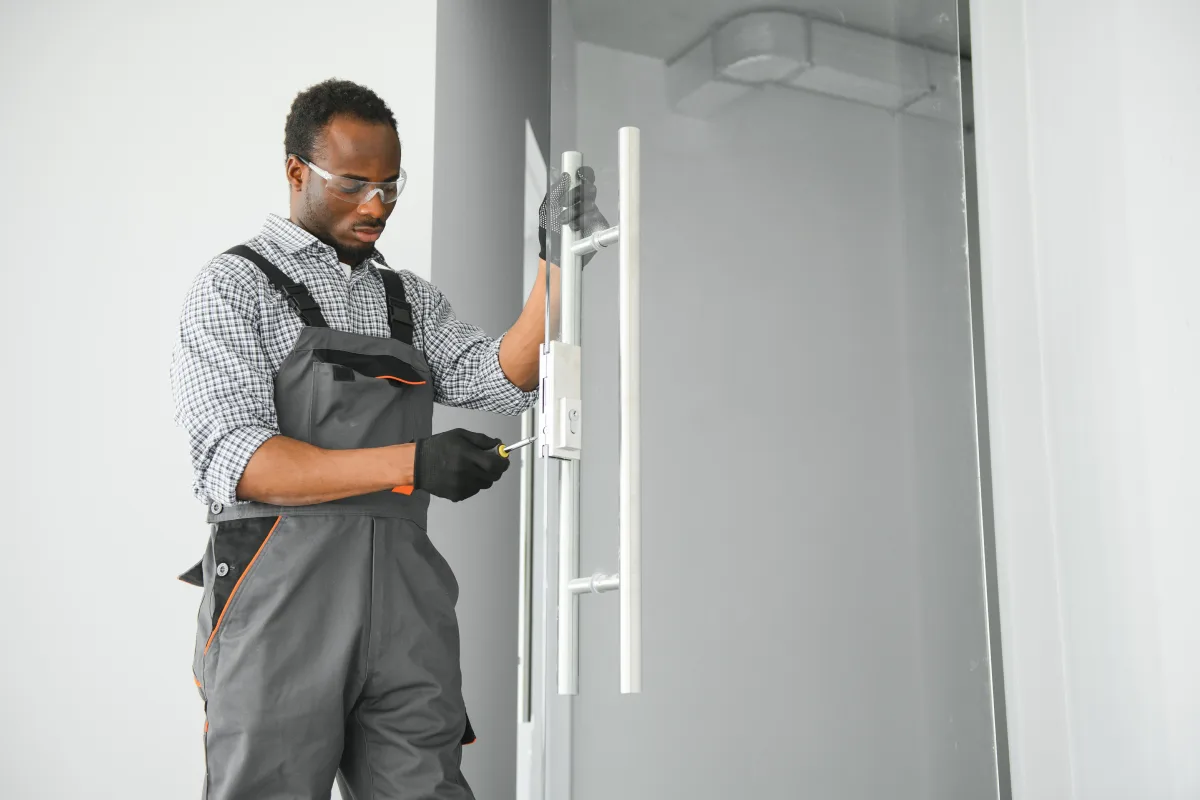
Commercial Door Hardware and Installation Done Right the First Time
A worn-out closer, a panic bar that no longer latches, or a lever set that does not meet ADA requirements is not a minor fix on a commercial property, it is a life-safety and liability issue the moment a fire marshal, an ADA complaint, or an insurance audit finds it. Commercial door hardware takes far more daily cycles than anything in a home, and it fails on its own schedule, usually during business hours.
The trouble is that commercial hardware is easy to get wrong. A residential-grade lockset installed on a high-traffic office entrance fails within months, and panic hardware installed on the wrong door , or installed correctly but on a fire-rated door it was never listed for, can void that door's rating without anyone noticing until an inspection.
ShowUp Promise replaces that guesswork: describe your property and what hardware you need, and we match you with a vetted, licensed, insured, background-checked locksmith pro who installs to code. You get an upfront price, a pro who shows up on schedule, and if they do not, the ShowUp Guarantee means you do not pay.
The Commercial Door Hardware Phoenix Properties Install Most
Most commercial jobs come down to a handful of hardware categories. The pros in our network install and service all of it, matched to your door type and code requirements:
- Panic bars and fire exit devices for egress doors
- Commercial door closers, calibrated to code-required opening force
- ADA-compliant lever sets and deadbolts
- Electric strikes and mag locks for access-controlled entrances
- Continuous hinges, thresholds, and weatherstripping for storefront doors
- Master-key and keyed-alike systems across multiple doors
Why Phoenix Commercial Doors Wear Out Differently
Metal door frames and aluminum storefront systems expand and contract hard in Phoenix's heat, which throws off closer calibration and binds hardware faster than in a milder climate. Monsoon season adds sudden wind-load stress on high-traffic entrances, and UV exposure breaks down weatherstripping and gasket seals on storefront doors years before they would fail somewhere with less direct sun.
That wear shows up first on the properties that see the most foot traffic and the most sun , retail storefronts along the Camelback Corridor, office towers around Central Avenue in Downtown Phoenix, and warehouse and distribution entrances in the industrial corridor near Sky Harbor and 44th Street all put commercial hardware through more daily cycles and more heat stress than the same hardware would see in an interior office suite.
A pro who installs commercial hardware across the Valley every week accounts for that heat and dust when sizing a closer and picking hardware grade, not just matching what was already on the door. Office parks out by Deer Valley along the I-17 corridor and retail centers near Desert Ridge and Loop 101 fight the same sun and expansion as an older building near the Biltmore, the climate does not spare newer construction either.
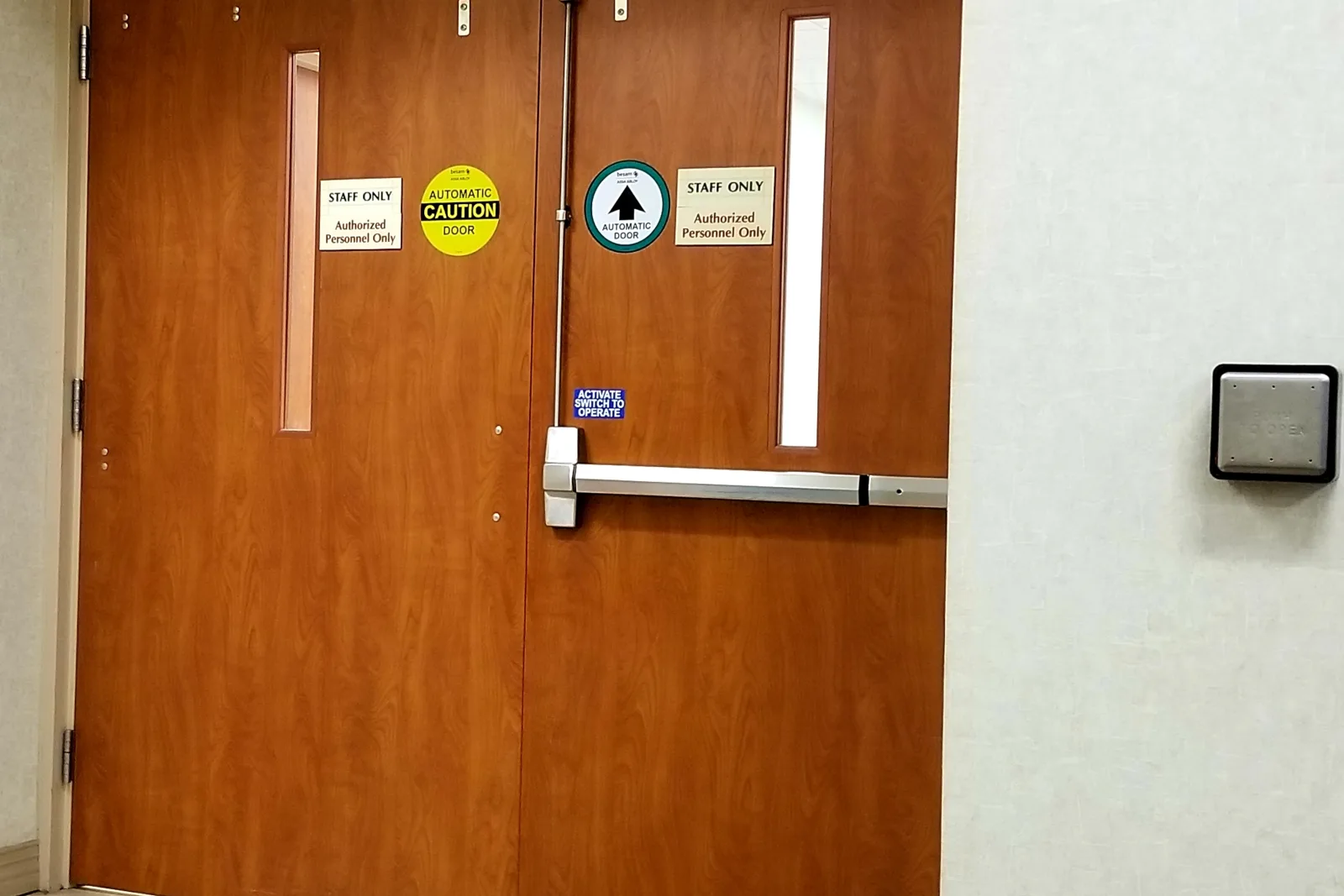
How ShowUp Promise Connects You With a Commercial Locksmith Pro
Getting matched takes a couple of minutes. Tell us about your property, how many doors, what hardware needs replacing, and whether a fire inspection or ADA complaint is driving the timeline , and we connect you with an available, vetted commercial locksmith pro from our network of trusted contractors in Phoenix.
You see and approve an upfront, itemized price before any work begins, pay securely in-app, and can track your pro's arrival. Because every pro is licensed, insured, and background-checked before they join, you skip the part where you wonder whether the person on-site actually knows the difference between residential and code-required commercial hardware.
No app to download and no obligation to book the first quote, just a faster, safer path to hardware that passes inspection and holds up under daily commercial traffic.
The ShowUp Guarantee
Every commercial locksmith pro in the ShowUp Promise network is vetted, licensed, insured, and background-checked before they ever reach your property. You approve the price before work starts, and if a pro does not show, you do not pay, the system automatically works to reassign your job to the next available verified pro so a fire inspection or tenant move-in is never held up.
What Commercial Door Hardware Installation Costs in Phoenix
A single-door hardware install, a closer, lever set, or panic bar, typically runs $250 to $600 per opening in Phoenix, including hardware and labor. A multi-door storefront or office retrofit usually lands between $1,200 and $4,000, and adding electric strikes or access-control wiring pushes the total higher depending on scope.
The final number tracks hardware grade, door count, and whether the doors are fire-rated (which limits hardware to what is listed for that assembly). A property with several matching entrances often costs less per door than a one-off, since the pro is already on-site and set up.
With ShowUp Promise you see an all-in, itemized price and approve it before any work begins, so there are no surprise add-ons after the job. Ask for the hardware brand, the code compliance notes, and any workmanship warranty in writing so you know exactly what you are paying for.
The Code Requirements That Trip Up Commercial Hardware Jobs
Commercial door hardware is not just a bigger residential part, it has to satisfy code requirements that a pro checks before ordering or installing anything:
- ADA lever height, operable force, and maneuvering clearance
- NFPA 80 rules for hardware listed on fire-rated door assemblies
- Panic hardware requirements by occupancy type and occupant load
- Grade-1 or Grade-2 commercial duty-cycle ratings, not residential hardware
- Permit and inspection triggers for electric strikes and alarm-interlocked mag locks
- Master-key hierarchy that matches how staff and tenants actually move through the building
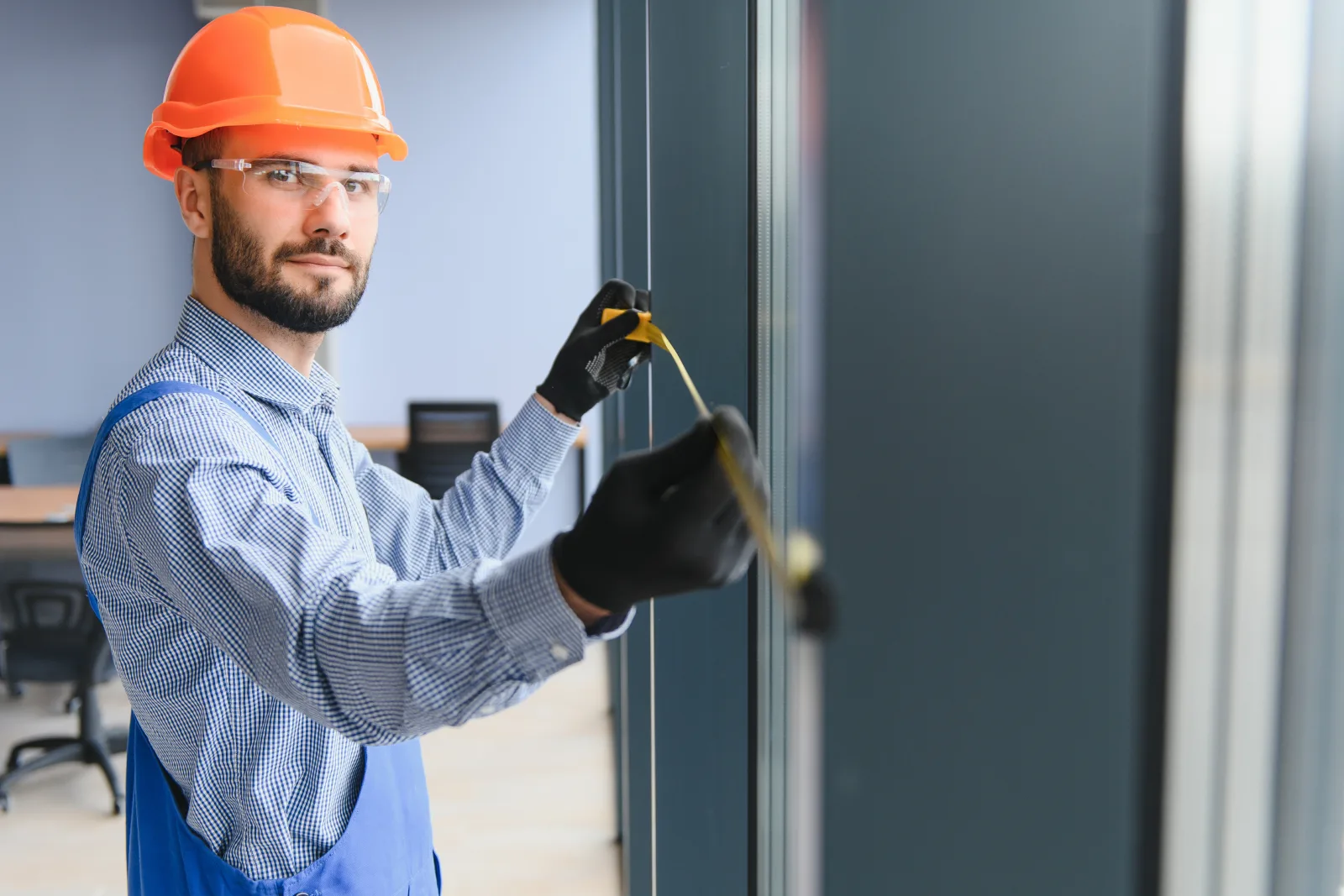
Offices, Retail, and Industrial, Hardware Matched to the Property
An office suite in a Camelback Corridor high-rise, a retail storefront in a Desert Ridge strip center, and a warehouse dock door near the Sky Harbor industrial corridor all need different hardware , different grades, different closer force settings, different fire ratings, even though the underlying job is the same.
A good installation starts with the property, not the hardware. The pro checks door type, occupancy, fire rating, and existing prep before recommending a closer, lockset, or exit device, so what goes in actually fits the door and passes inspection the first time.
Whether it is one storefront entrance or a full multi-tenant office building, ShowUp Promise matches you with a vetted commercial locksmith pro who specs the right hardware for your property and installs it without shutting your doors down.
Serving Phoenix and the Whole Valley
ShowUp Promise matches property managers and business owners with commercial locksmith and door hardware pros across Phoenix and the wider Valley, including Scottsdale, Tempe, Mesa, Chandler, Gilbert, Glendale, Peoria, and Surprise. That covers everything from a Downtown Phoenix office tower near Central Avenue to a retail center off Loop 101 in Desert Ridge or a distribution facility near Sky Harbor and the I-17, wherever your property is, there is likely a vetted pro nearby who installs commercial hardware every week.
Need more than hardware installation? The same network covers the other commercial jobs Phoenix properties need, like commercial locksmith services in Phoenix, access control installation in Phoenix, commercial electrical contractors in Phoenix, commercial pest control in Phoenix, commercial cleaning in Phoenix, commercial TPO roofing in Phoenix, commercial painters in Phoenix, commercial landscape maintenance in Phoenix, and commercial refrigeration repair in Phoenix. You can also browse all of our trusted contractors in Phoenix in one place.
Commercial Door Hardware and Installation Phoenix FAQ
How Much Does Commercial Door Hardware Installation Cost in Phoenix?
Does My Commercial Door Hardware Need to Be ADA Compliant?
What Fire Code Rules Apply to Panic Bars and Exit Hardware?
Do I Need a Permit for Commercial Door Hardware Installation in Phoenix?
How Long Does Installation Take, and Will It Disrupt My Business?
What Hardware Brands Do Phoenix Commercial Locksmiths Install?
Can You Set Up Master Keying or Access Control Across Multiple Doors?
Are the Installers Licensed and Insured?
What's the Difference Between Residential and Commercial Door Hardware?
Can You Retrofit Hardware on Existing Doors, or Only New Construction?
Get Your Commercial Door Hardware Installed Right
Match with a vetted, licensed, insured Phoenix commercial locksmith pro who installs code-compliant hardware and shows up when they say they will.