Access Control in Phoenix, Arizona
Access control in Phoenix replaces keys with keycards, keypads, or a phone-based credential, installed and programmed by a vetted, licensed locksmith who scopes the right system for your building.
Tell us your building type and door count and get matched with a background-checked Phoenix pro on a schedule that works for your business.
No app to download. Works right in your browser.
ShowUp Guarantee, no-show means no pay.
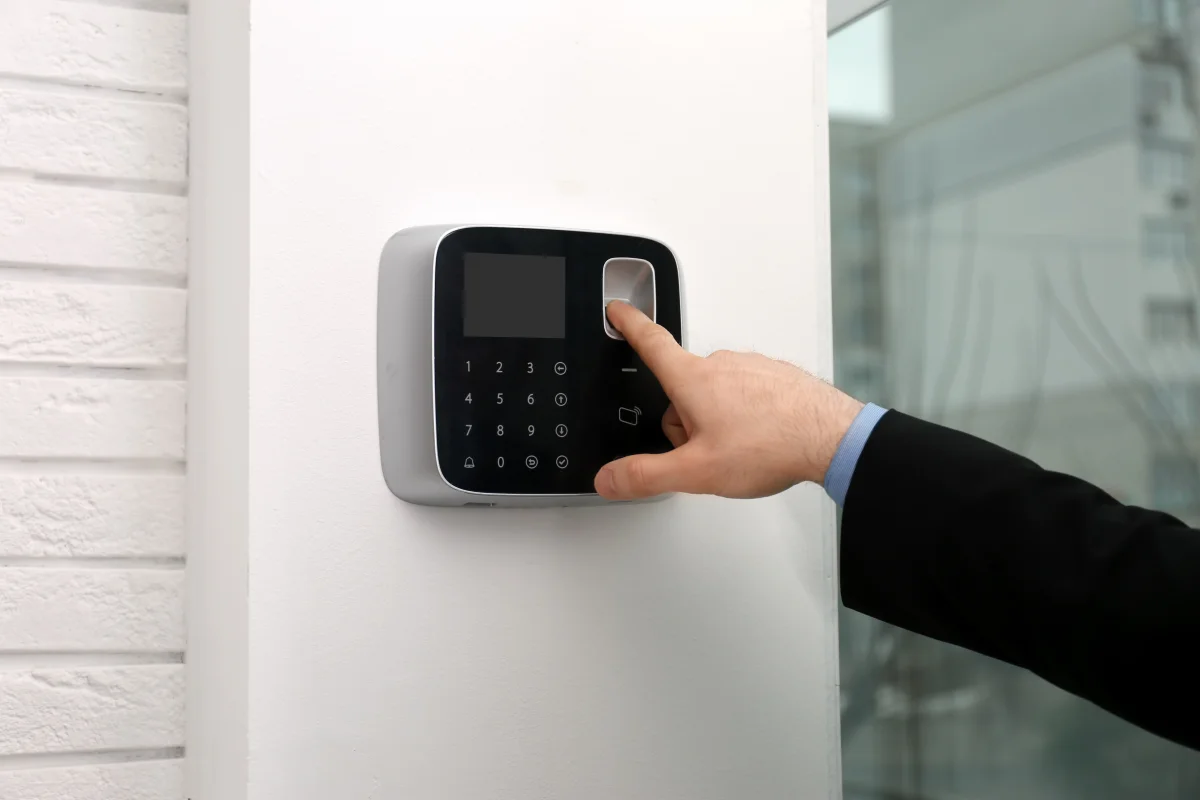
Stop Rekeying Every Time Staff Changes
A lost key, a former employee who never turned theirs in, a subcontractor who needs the server room for one afternoon, with physical keys, every one of those moments means rekeying, recutting, or just hoping nobody makes a copy. Office parks along the Camelback Corridor and multi-tenant suites near Midtown's Central Avenue run into this constantly as teams grow and turn over.
Access control swaps the physical key for a keycard, fob, PIN, or a credential in an employee's phone, managed from a browser instead of a keyring. Grant a new hire access the day they start, cut off a departure the moment they leave, and see exactly who badged into which door and when, without a locksmith visit for every personnel change.
ShowUp Promise removes the guesswork of finding an installer you can trust with your building's security: tell us your door count and we match you with a vetted, licensed, insured locksmith, and if they don't show, the ShowUp Guarantee means you don't pay.
Access Control Options for Phoenix Buildings
Not every building needs the same setup. Our network installs and programs the full range of commercial entry systems:
- Keycard and proximity fob readers for offices, warehouses, and multi-tenant suites
- PIN keypads for single-door or low-traffic entries, including gated community common areas
- Mobile-credential systems that unlock a door from an employee's phone, no card to lose
- Biometric fingerprint readers for server rooms, pharmacies, and other restricted areas
- Video intercoms paired with electronic strikes for lobby and delivery entrances
- Cloud-managed platforms that let an owner add, remove, or schedule access remotely
Which Phoenix Businesses Install Access Control
Downtown Phoenix high-rise offices use access control to manage tenant floors and after-hours entry, while medical and dental suites near the Biltmore area lock down records rooms and supply closets separately from the main waiting area.
Warehouses and light-industrial buildings along the I-17 and Loop 101 corridors near Deer Valley use it to separate office staff from dock and inventory areas, and property managers running gated communities or apartment complexes use keypad and fob entry on common-area doors instead of distributing physical keys to every resident. Retail plazas along 7th Street and 7th Avenue often stagger access by hour, so a cleaning crew or vendor can badge in before or after normal business hours without a manager unlocking the door in person.
Whatever your building type, the goal is the same: know who can open which door, change that instantly when it needs to change, and stop paying a locksmith to rekey the whole property every time.
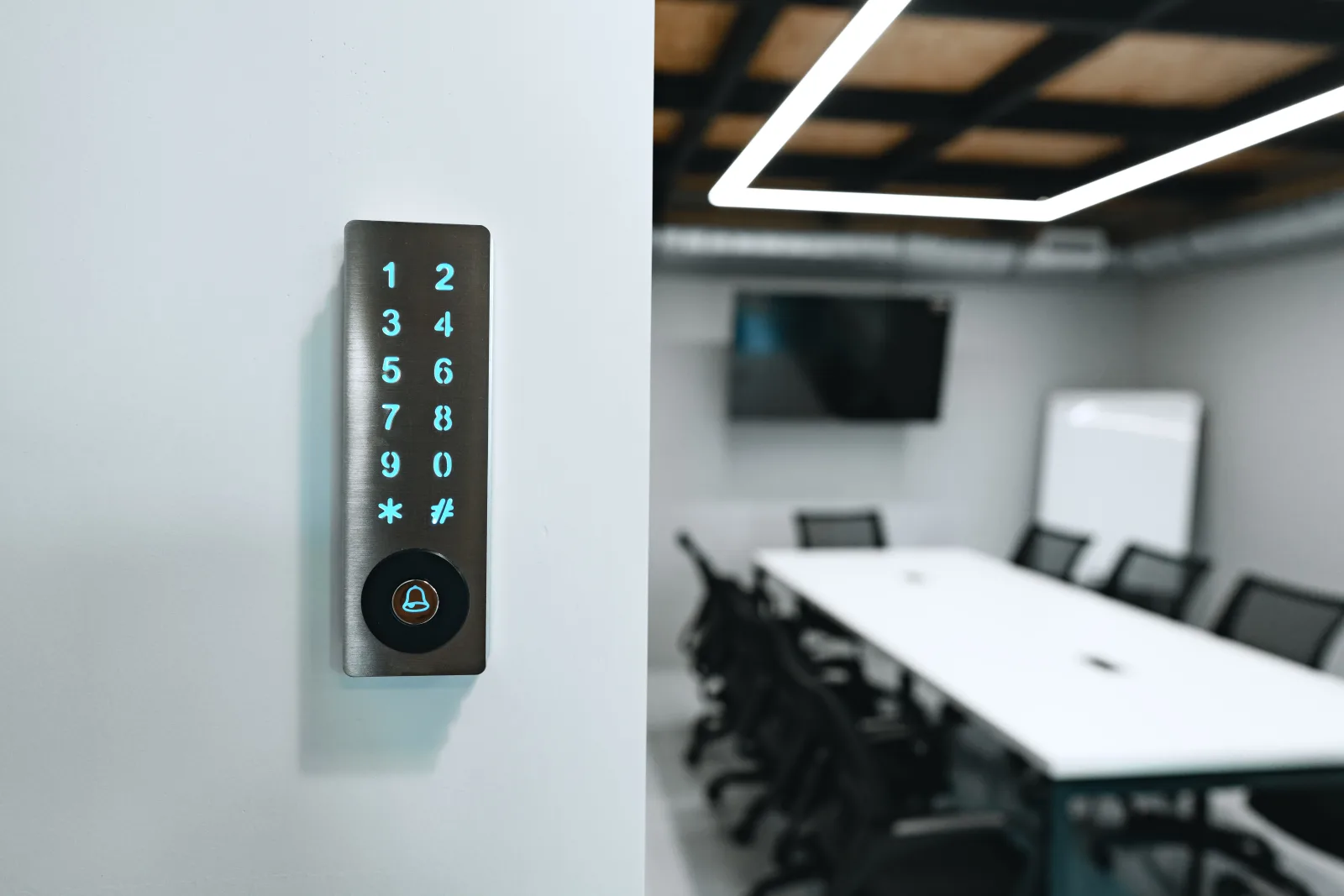
How an Access Control Install Actually Works
A locksmith starts by walking the building, counting doors that need control, and checking whether existing hardware and wiring can be reused or whether new cable has to be run through walls or ceilings, this is usually the biggest driver of cost and timeline.
For a single door, that's often a same-day job: mount the reader, wire it to an electronic strike or mag lock, and program the first set of credentials on-site. A multi-door office or warehouse system takes longer, since every reader has to be wired back to a central controller and every door mapped to the right access group before the cloud platform goes live.
Once installed, you get a walkthrough of the management app or portal so you can add employees, schedule after-hours restrictions, and pull entry logs yourself, no return locksmith visit needed for routine access changes.
What Access Control Costs in Phoenix
A single-door keypad or fob reader typically runs $800 to $2,000 installed. A multi-door cloud-managed system for a small office suite usually lands between $3,000 and $10,000, depending on door count and whether existing wiring can be reused.
Larger installs, multi-tenant buildings, warehouses with dock doors, or systems that integrate video intercoms and mag locks, run higher and get quoted after the walkthrough. Ongoing cloud-platform fees, if any, vary by provider and are disclosed upfront, not buried after the hardware is already on the wall.
With ShowUp Promise you see an itemized quote before any equipment goes in, so a planned install never turns into a surprise line item once the technician is on-site.
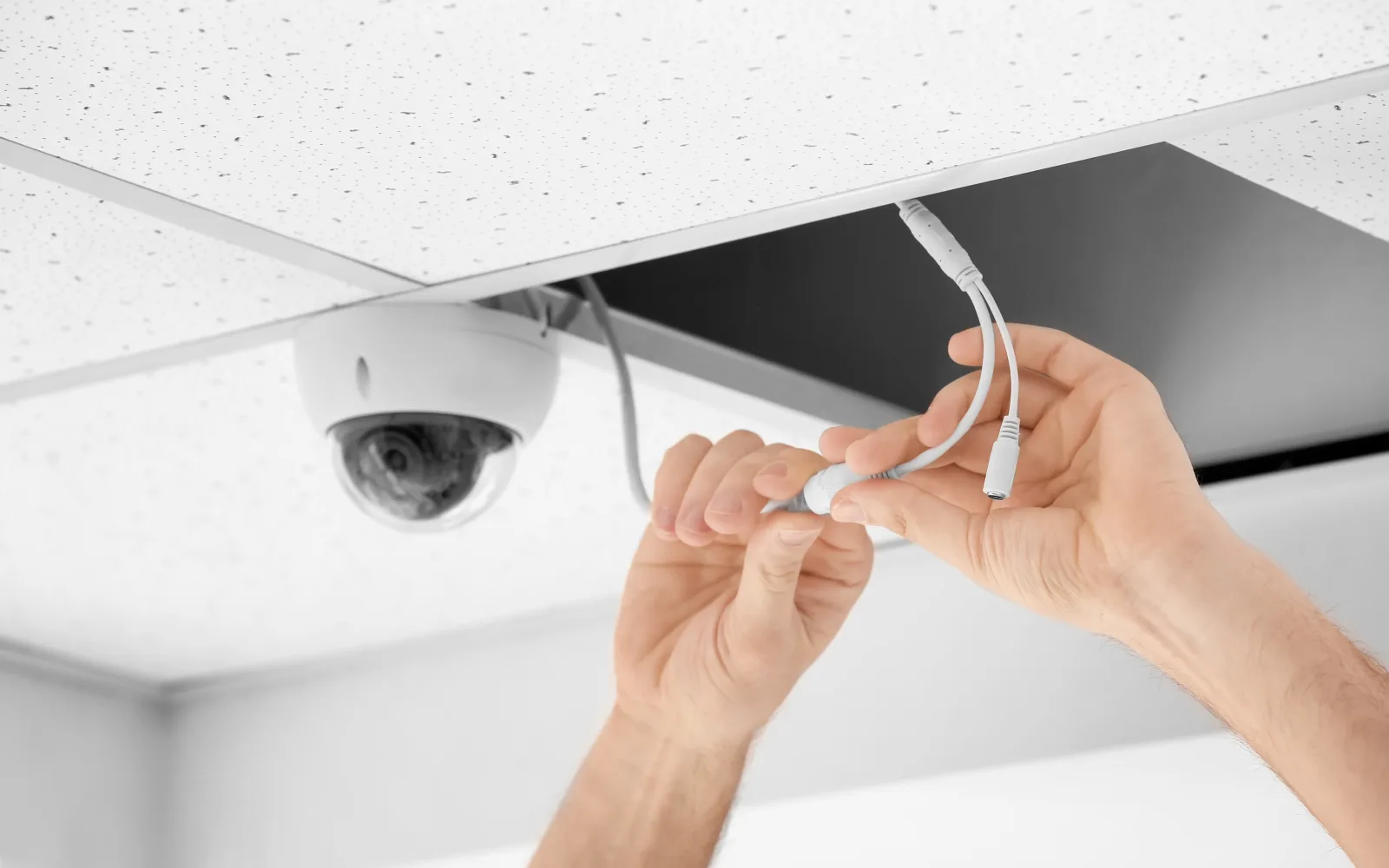
Pairing Access Control With Video and Master Keys
Most Phoenix businesses don't run access control in isolation, pairing it with security cameras at entry points means every badge-in is tied to video, so an unfamiliar face at 2 a.m. is flagged and recorded, not just logged as a credential number.
Buildings that still use a physical master key for certain doors, a mechanical room, a landlord's shared closet, can run that alongside electronic access rather than replacing it outright. A locksmith who does both jobs maps out which doors stay mechanical and which go electronic so the two systems don't conflict.
Sky Harbor-area logistics buildings and Deer Valley warehouses commonly run this combination: fob entry on office and dock doors, cameras on the perimeter, and a master key held by ownership as a fallback if the network ever goes down.
Access Control and Fire Code, Explained
Any electronically locked door on an exit path has to fail safe, unlocking automatically if the fire alarm trips or the power goes out, under the egress requirements in the NFPA Life Safety Code.
A pro who installs commercial access control regularly knows which doors on your building have to be fail-safe versus fail-secure, and wires the panel accordingly so it clears inspection the first time. The Phoenix Fire Department can confirm the specific egress requirements for your occupancy type before work starts.
This is one of the most common mistakes on a DIY or low-bid install, a fail-secure lock on a fire exit is a code violation waiting to be caught on your next inspection, and it's far cheaper to wire it right the first time than to redo it after a failed walkthrough.
Serving Phoenix and the Whole Valley
ShowUp Promise matches business owners and facility managers with access-control installers across Phoenix, from Downtown high-rises to Deer Valley warehouses, and the wider Valley, including Mesa, Scottsdale, Chandler, Tempe, Gilbert, Glendale, Peoria, Surprise, and Goodyear.
Need more than access control? The same network handles commercial locksmith services in Phoenix, commercial door hardware and installation in Phoenix, keypad lock installation in Phoenix, smart lock installation in Phoenix, and key fob programming in Phoenix. You can also browse all of our trusted contractors in Phoenix in one place.
The ShowUp Guarantee
Every locksmith in the ShowUp Promise network is vetted, licensed, insured, and background-checked before they ever touch your building's security. You approve the price before work starts, and if a pro does not show, you do not pay, the system reassigns your job to the next available verified pro instead.
Access Control Phoenix AZ FAQ
What Types of Access Control Systems Are Available for Phoenix Businesses?
How Much Does an Access Control System Cost in Phoenix?
Can Access Control Replace All of Our Building's Keys?
Does Access Control Have to Meet Fire Code for Exit Doors?
How Fast Can Access Control Be Installed for My Business?
Can We Revoke a Former Employee's Access Remotely?
What Happens to Access Control if the Power or Internet Goes Out?
Get Your Business on Access Control
Match with a vetted, licensed Phoenix locksmith who quotes upfront, installs it right, and shows up when they say they will.