Attic Ventilation in Phoenix, Arizona
Attic ventilation in Phoenix is the difference between an attic that quietly bleeds heat into your living space all summer and one that actually exhausts it, and it usually comes up because upstairs rooms run hot, cooling bills keep climbing, or a roof inspection flagged blocked or missing vents.
Tell us what your attic is doing and get matched with a background-checked Phoenix pro who sizes the right fix instead of upselling the most expensive one.
No app to download. Works right in your browser.
ShowUp Guarantee, no-show means no pay.
Most vent add-ons and fan installs: same-day visit, itemized pricing upfront.
Why Phoenix Attics Need Real Airflow, Not Just Insulation
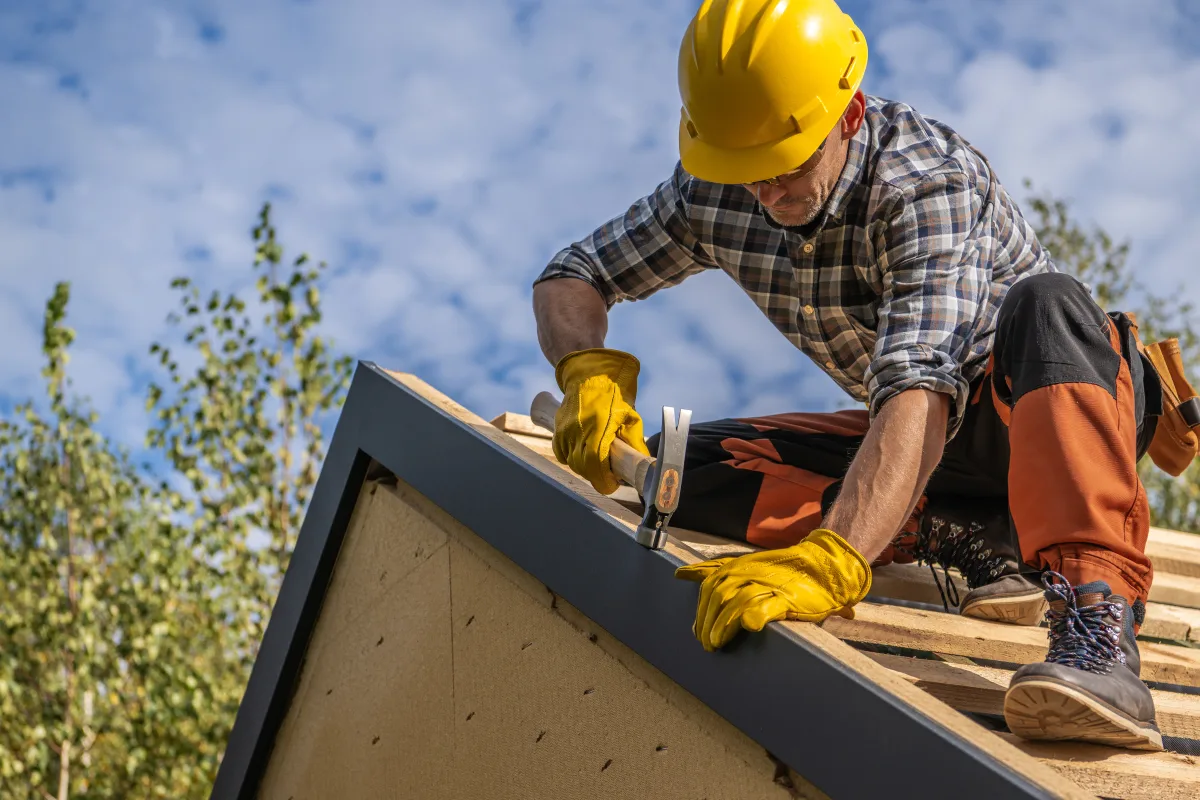
Insulation slows heat transfer, but it doesn't move air, and a Phoenix attic without a real intake and exhaust path just sits there trapping superheated air against your roof deck and ceiling all summer. Get the balance of soffit intake and ridge or fan exhaust wrong and even a well-insulated attic runs hot enough to push heat straight down into the rooms below.
Most calls come from one of a few places: upstairs rooms that never quite cool down, a roof inspection that flagged undersized or blocked vents, or a homeowner who just watched their summer cooling bill climb again and wants to know why.
ShowUp Promise matches you with a vetted, licensed, insured, background-checked pro who actually measures your attic before recommending a fix, and if they do not show up, the ShowUp Guarantee means you do not pay.
When Phoenix Homeowners Call About Attic Ventilation
Attic ventilation calls fall into a handful of common situations:
- Upstairs rooms that stay noticeably hotter than the rest of the house even with the AC running
- A rising summer cooling bill with no other obvious explanation
- A home inspection or roof inspection flagging missing, blocked, or undersized vents
- Soffit vents that got painted over, stuccoed shut, or buried under blown-in insulation
- Musty smells or visible moisture staining on the roof deck after monsoon season
- Shingles, foam roofing, or tile aging faster than expected on a south- or west-facing slope
- A remodel, room addition, or garage conversion that changed the attic footprint and vent math
How Arizona Heat Pushes Attic Ventilation to the Limit
An under-vented Phoenix attic regularly climbs past 150 degrees on a summer afternoon, and older homes in neighborhoods like Coronado and the Willo Historic District near Central Avenue often have partial soffit coverage that was never enough for the roof area it's serving.
Newer construction out toward Desert Ridge and Verrado, plus additions in Ahwatukee and Laveen, tend to run into a different problem, larger, more complex rooflines with valleys and dormers that make it easy to end up with exhaust vents but not enough matching intake area.
A pro who assesses attics across neighborhoods along Bell Road, Camelback Road, and the I-17 and Loop 101 corridors every week can tell within minutes whether your attic has a real airflow problem or just needs a vent or two cleared and reopened.
Passive Vents, Powered Fans, and Solar, Matching the System to Your Roof
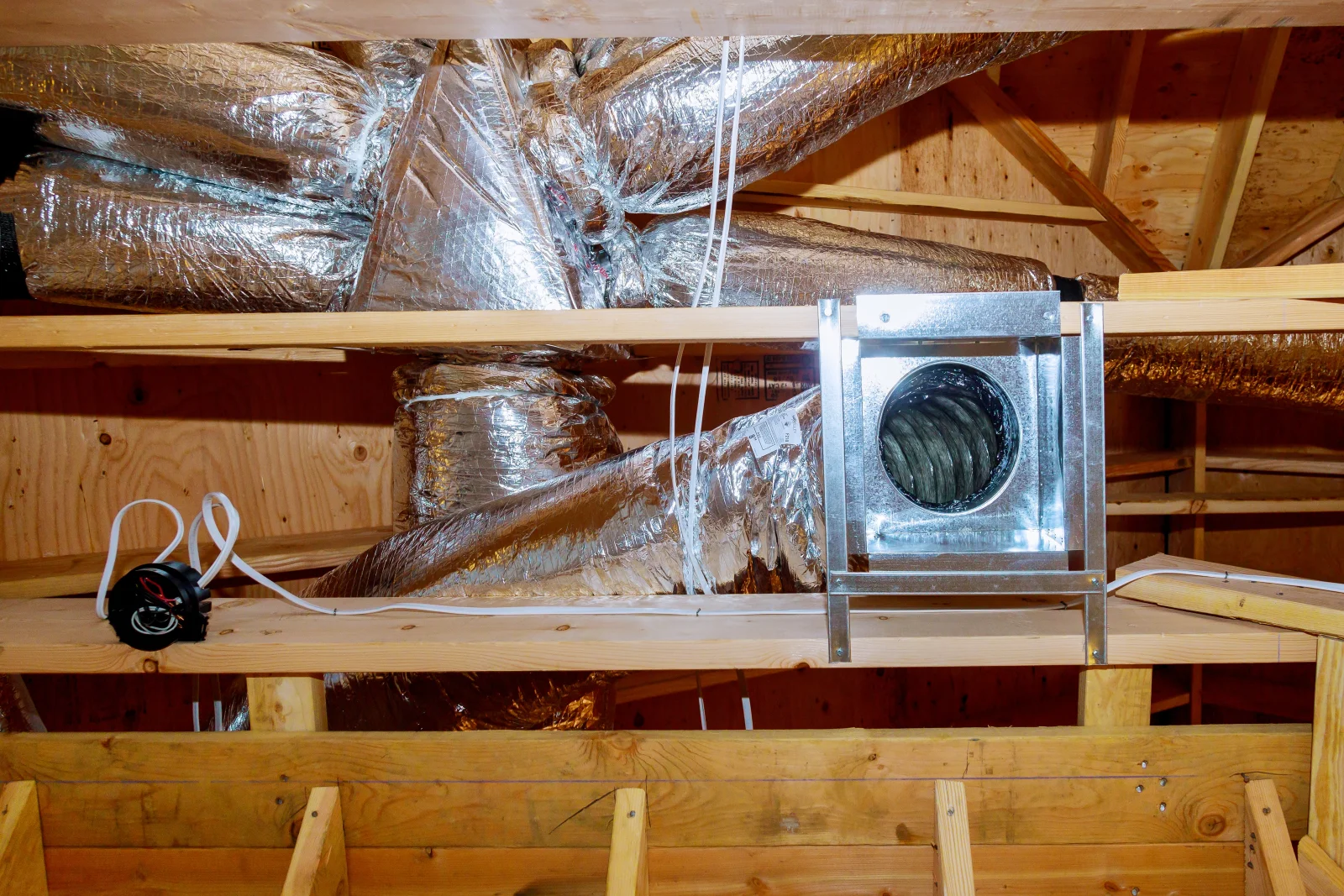
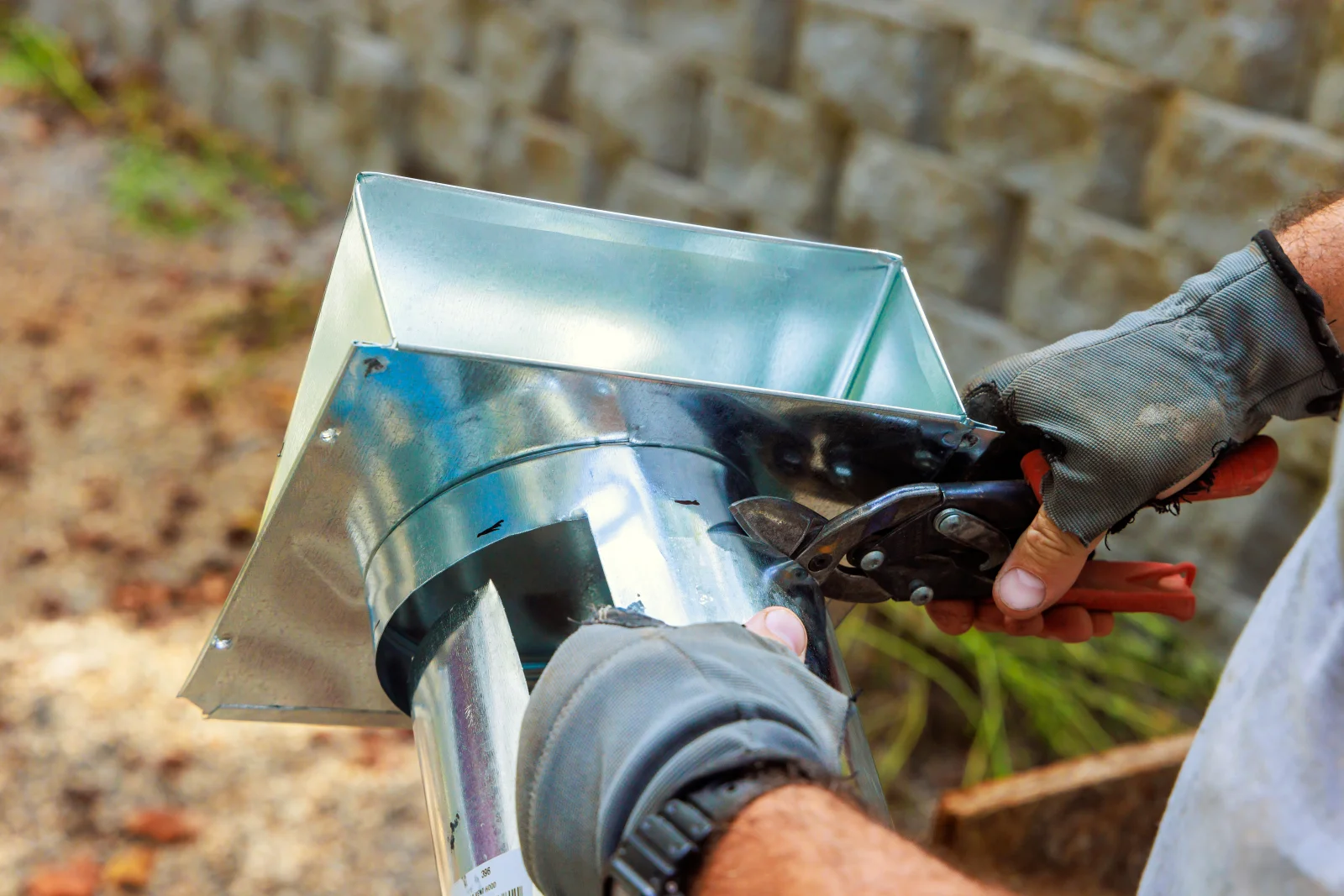
Passive systems, soffit vents feeding cooler air in low, ridge or static box vents letting hot air out high, work well when there's enough net free vent area and no moving parts to fail.
A powered attic ventilator adds hardwired active airflow for attics that stay hot even with good passive coverage, while a solar-powered attic fan does the same job off a roof-mounted panel with no added wiring or electric bill, a natural fit given how much sun a Phoenix roof gets.
Your pro measures your attic's square footage against its current vent area, tells you honestly whether passive vents alone will close the gap, and only recommends a fan when the numbers actually call for one.
What Happens When a Phoenix Attic Isn't Vented Right
Sustained attic heat above 150 degrees ages roofing material faster than it's rated for, shingles can turn brittle and curl early, foam roofing is more prone to blistering, and tile underlayment breaks down sooner under the extra thermal load.
The ENERGY STAR guidance on sealing and insulating a home points out that attic airflow and insulation work together, one without the other still leaves heat and moisture problems on the table, which is exactly what shows up as a roof that ages early or a cooling bill that keeps climbing despite a newer AC unit.
During monsoon season, an under-vented attic can trap humid air against the roof deck instead of exhausting it, which condenses overnight and leads to wood rot, mold, or wet insulation that stops performing, damage that's a lot cheaper to prevent with proper airflow than to repair afterward.
What Attic Ventilation Costs in Phoenix
Adding or replacing a passive vent, ridge, static box, or turbine, typically runs $200 to $450 per vent. A hardwired powered attic ventilator generally lands between $400 and $750.
A solar-powered attic fan, panel and install included, usually costs $700 to $1,500 depending on wattage. A full ventilation rebalance, bringing an under-vented attic up to a proper intake-to-exhaust ratio, commonly runs $1,200 to $2,200 on a typical Phoenix roof.
With ShowUp Promise you see an itemized, upfront price after your pro actually measures your attic and roofline, so there are no surprise add-ons once the work starts.
Serving Phoenix and the Whole Valley
ShowUp Promise matches homeowners with attic ventilation pros across Phoenix and the wider Valley, including Arcadia, Coronado, Sunnyslope, Laveen, Desert Ridge, Ahwatukee, Verrado, Scottsdale, Tempe, Mesa, Chandler, and Gilbert. Wherever your home sits along the I-17, Loop 101, or Grand Avenue corridor, there is likely a vetted pro nearby who sizes attic airflow for Phoenix heat every day.
Need help with the rest of your roof? The same network covers attic insulation, roof inspection, reroofing, flat roof installation, flat roof replacement, foam roofing, elastomeric roof coating, emergency roof repair, roof storm damage repair, roof hail damage repair, skylight installation, and chimney repair. You can also browse all of our trusted contractors in Phoenix in one place.
The ShowUp Guarantee
Every attic ventilation pro in the ShowUp Promise network is vetted, licensed, insured, and background-checked before they ever reach your door. You approve the price before work starts, and if a pro does not show, you do not pay, the system automatically works to reassign your job to the next available verified pro so your project is never left half-finished.
Attic Ventilation Phoenix FAQ
How Much Does Attic Ventilation Cost in Phoenix?
Passive Vents or a Powered Attic Fan, Which Do I Need?
How Much Ventilation Does My Attic Actually Need?
Do Solar Attic Fans Actually Work in Phoenix's Heat?
Do I Need a Permit for Attic Ventilation Work in Phoenix?
What Are the Signs My Phoenix Attic Isn't Ventilated Properly?
Can Poor Attic Ventilation Damage My Roof?
Get Your Phoenix Attic Properly Ventilated
Match with a vetted, licensed, insured Phoenix attic ventilation pro who sizes the right fix and shows up when they say they will.