Flat Roof Installation in Phoenix
Flat roof installation in Phoenix means putting on a brand-new roofing system, TPO, EPDM, or spray foam, engineered with the right slope, drainage, and reflectivity to hold up under desert sun and monsoon downpours, whether it's new construction, an addition, or a full tear-off and replace.
Tell us about your project and get connected with a background-checked Phoenix roofing contractor who can walk the roof, recommend the right system, and quote an upfront price.
No app to download. Works right in your browser.
ShowUp Guarantee, no-show means no pay.
When You Need a New Flat Roof Installed
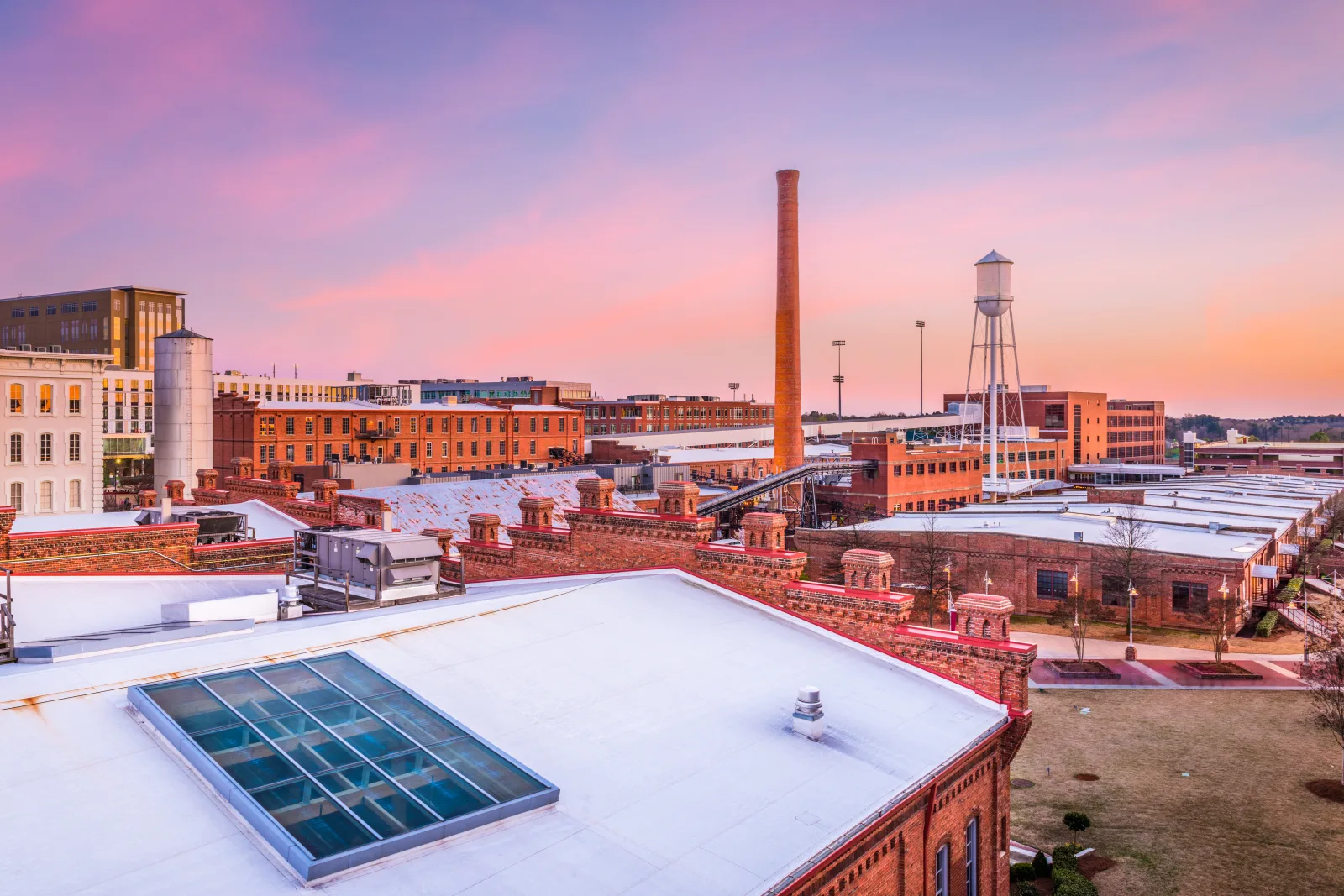
Flat roof installation is different from a repair or a simple recoat, it's putting on an entirely new roofing system. That covers new construction, a room addition or garage with a flat or low-slope design, and full tear-off-and-replace projects where the old roof is beyond patching and you're switching to a different system entirely, such as moving from an aging built-up roof to a modern reflective TPO membrane.
Phoenix has more flat and low-slope roofs than most metro areas, both on commercial buildings and on additions, patios, and casitas attached to residential homes. Flat roofs are cheaper to build and easier to add solar or HVAC equipment to, but they demand more precise workmanship than a pitched shingle roof, every seam, drain, and transition has to be done correctly, since there's no steep slope helping water shed on its own.
ShowUp Promise matches you with a vetted, licensed, insured, background-checked roofing contractor who installs flat roofing systems correctly the first time, and if they don't show up when promised, the ShowUp Guarantee means you don't pay.
Choosing a Flat Roof System: TPO, EPDM, Foam, and Modified Bitumen
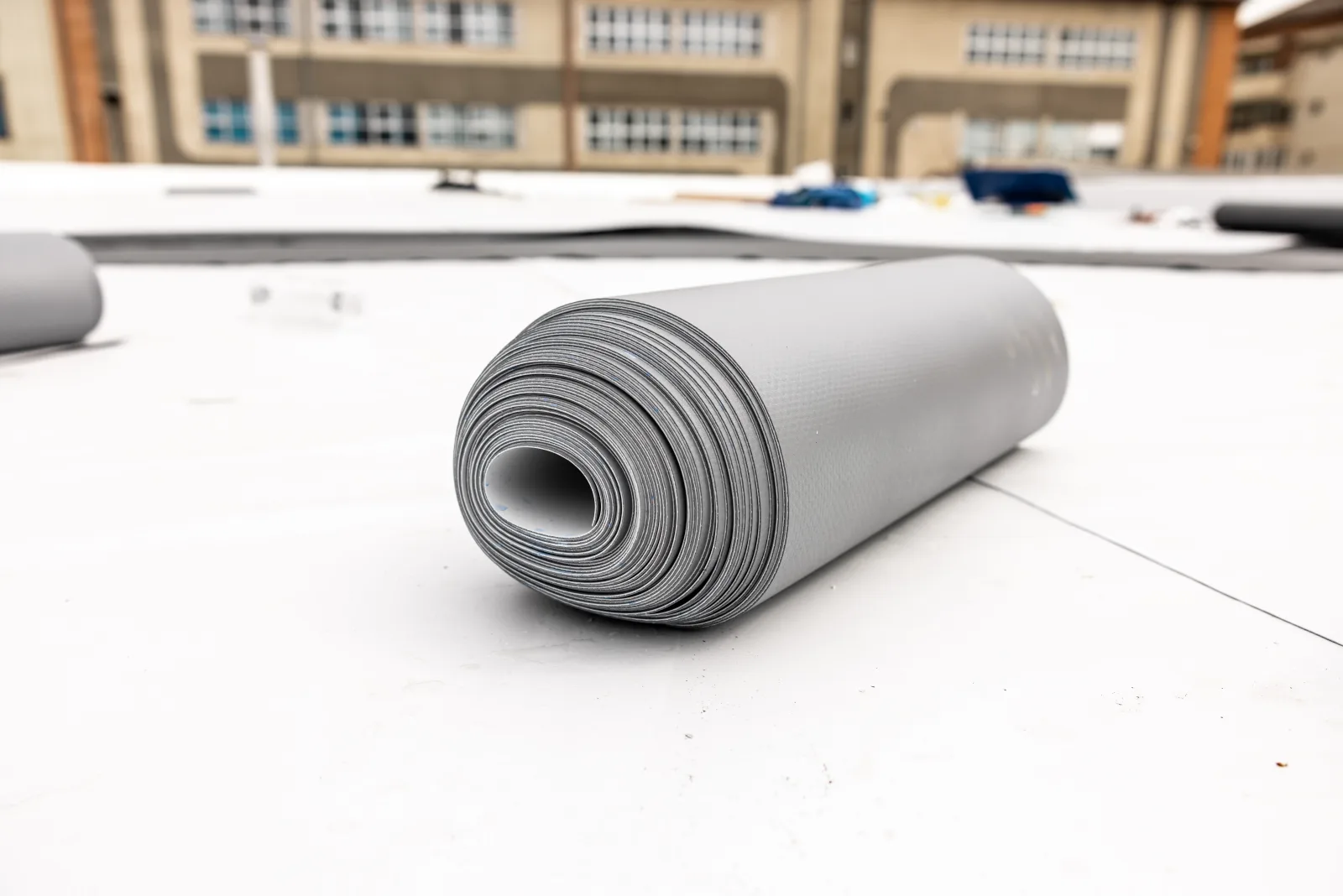
TPO (thermoplastic polyolefin) is the most-installed flat roof system in Phoenix today. It comes as a white or light-gray reflective membrane, heat-welded at the seams for a watertight bond, and its reflectivity genuinely helps in a climate where summer roof surface temperatures can run well above the surrounding air temperature.
EPDM (synthetic rubber membrane) is a proven, budget-friendly option with a long track record, though its standard black surface absorbs more heat unless paired with a reflective coating. Spray polyurethane foam self-levels over irregular decking, adds insulation value in one application, and is common on larger commercial roofs. Modified bitumen is a heavier, torch- or cold-applied option still used on some commercial and multi-family buildings for its durability under foot traffic.
There's no single "best" system, the right call depends on your roof's size, slope, budget, and how long you plan to own the building. Your ShowUp Promise contractor will walk you through the trade-offs before you commit to one.
How Flat Roof Installation Actually Works
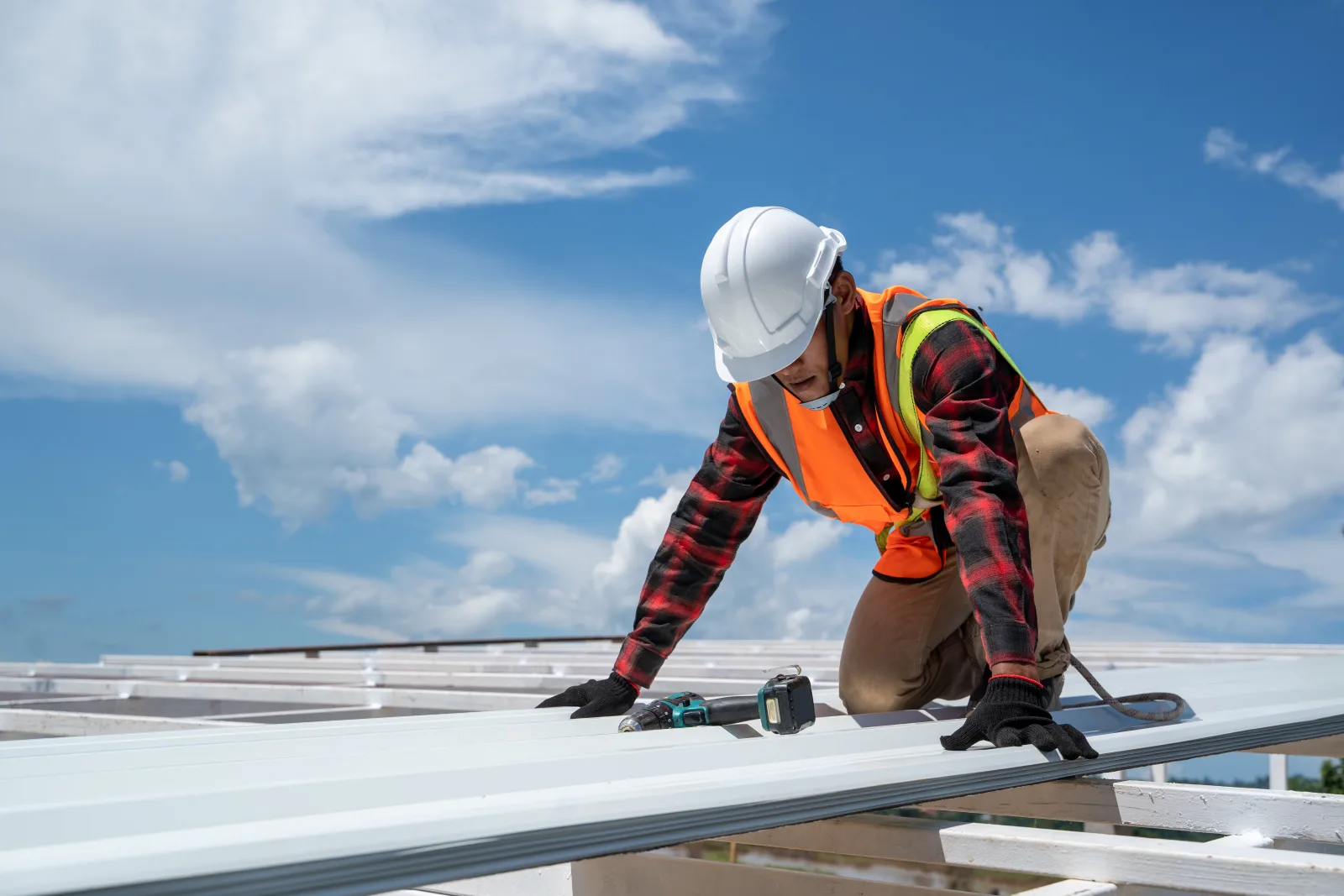
A quality installation through the ShowUp Promise network follows a consistent sequence, whether it's new construction or a full tear-off and replace:
- Tear-off of the old roofing system (if applicable) down to a sound deck, or deck prep and inspection on new construction
- Deck repair where needed, soft spots, water-damaged sheathing, or rot get addressed before anything new goes down
- Insulation board installed and, on sloped-to-drain designs, tapered insulation set to create the engineered slope
- Membrane rolled out, positioned, and heat-welded or adhered at every seam per manufacturer spec
- Flashing detailed around every penetration, drains, vents, HVAC curbs, parapet walls, and roof edges
- Drains, scuppers, and overflow points tested to confirm water actually moves off the roof
- Final walkthrough and, where required, the City of Phoenix inspection sign-off
Built for Phoenix Heat and UV Exposure
Phoenix roofs take a harder beating from the sun than almost anywhere else in the country. A dark roof surface can run 50 degrees or more hotter than the surrounding air on a summer afternoon , that heat load accelerates membrane aging, softens asphalt-based products, and stresses seams over years of expansion and contraction.
A reflective white TPO membrane addresses this directly by bouncing a large share of solar radiation back rather than absorbing it, which keeps the membrane cooler and can meaningfully reduce cooling load on the building below. If a darker system like standard EPDM is the better fit for your budget or design, a reflective coating can be added to capture some of that same benefit.
UV-stabilized membrane formulations and correctly torqued fasteners also matter here, materials and installation details that hold up fine in milder climates can fail faster under Phoenix's combination of intense UV, extreme heat, and the thermal cycling between scorching days and cooler nights.
Drainage and Slope: Avoiding Ponding Water
"Flat" roof is a bit of a misnomer, a properly installed flat roof has a slight engineered slope, commonly a minimum of a quarter-inch of fall per foot, so rainwater moves toward drains or scuppers instead of sitting on the membrane. Getting this slope and drain layout right during installation is one of the most important parts of the job.
Ponding water, water that sits on the roof for more than 48 hours after rain, is one of the most common causes of premature flat roof failure. It adds significant dead-weight stress the structure wasn't designed to carry indefinitely, accelerates membrane breakdown at the waterline, and during Arizona's summer monsoon season, a roof without proper drainage can go from dry to standing water in minutes.
A quality installer uses tapered insulation or structural slope to route water correctly, sizes drains and scuppers for the roof's actual square footage and expected rainfall intensity, and tests drainage before calling the job finished. Getting this right during installation avoids a costly correction, and a shortened roof lifespan, later.
Permits and Inspections in Phoenix
New roof installations and full system replacements in the City of Phoenix generally require a building permit, since the work affects the structure's waterproofing and often its insulation value as well. Your contractor typically handles pulling the permit and scheduling the required inspections as part of the job.
Permit requirements can vary slightly for homeowners outside Phoenix city limits, Mesa, Scottsdale, Chandler, Tempe, Gilbert, and other Valley cities each run their own building department, so a contractor working across the metro area needs to know each jurisdiction's process.
Skipping a required permit can create real problems later, from failed inspections on a future sale to insurance complications if a claim ever needs to reference the roof's documented installation. A properly pulled permit and passed inspection is proof the work was done to code, not just proof for its own sake.
What Flat Roof Installation Costs in Phoenix
Most Phoenix flat roof installations run roughly $6 to $14 per square foot installed, with the range driven by the system you choose, existing deck condition, insulation thickness, and how accessible the roof is for equipment and material staging.
A typical 1,500 to 2,500 square foot residential or small commercial flat roof often lands between $10,000 and $30,000 fully installed. EPDM tends to sit at the lower end of that range, while premium TPO assemblies, tapered insulation systems, and spray foam roofs run higher due to material and labor complexity.
With ShowUp Promise you see an itemized, upfront price before your contractor starts tear-off or deck prep, so there's no ambiguity about what's included, membrane, insulation, flashing, drains, and labor, before work begins.
Serving Phoenix and the Whole Valley
ShowUp Promise matches property owners with roofing contractors across Phoenix and the wider Valley, including Mesa, Scottsdale, Paradise Valley, Chandler, Tempe, Gilbert, Glendale, Peoria, Surprise, and Goodyear. Wherever your building is, there's likely a vetted pro nearby ready to install your new flat roof.
Replacing an existing flat roof system instead of adding new? Our network also handles flat roof replacement, plus other roofing needs Phoenix property owners run into, like reroofing, foam roofing, commercial TPO roofing, roof inspection, attic insulation, elastomeric roof coating, emergency roof repair, roof hail damage repair, and roof storm damage repair. You can also browse all of our trusted contractors in Phoenix in one place.
The ShowUp Guarantee
Every roofing contractor in the ShowUp Promise network is vetted, licensed, insured, and background-checked before they ever reach your property. You approve the price before work starts, and if a pro doesn't show, you don't pay, the system reassigns your job to the next available verified pro instead.
Reflective "cool roof" membranes are recognized by the EPA's cool roofs program for reducing roof surface temperature and cooling energy use, a real factor worth asking about when choosing a membrane for a Phoenix installation.
Flat Roof Installation Phoenix FAQ
What Is the Best Flat Roof System for a Phoenix Climate?
How Long Does a New Flat Roof Installation Take?
Do I Need a Permit for Flat Roof Installation in Phoenix?
Why Does Ponding Water Matter So Much on a Flat Roof?
How Much Does Flat Roof Installation Cost in Phoenix?
What Warranty Comes With a New Flat Roof?
Can I Install a New Flat Roof Over My Old One?
Get Your Phoenix Flat Roof Installed Right
Tell us about your project, then match with a vetted, licensed, insured Phoenix roofing contractor who installs the right system, gets the slope and drainage right, and shows up when they say they will.