Wood Trim in Phoenix
Wood trim in Phoenix should be cut tight and finished clean the first time — vetted, licensed, insured carpentry pros for baseboard, crown molding, casing, and wainscoting.
Tell us which trim you need installed and get matched with a background-checked Phoenix pro who shows up on time.
No app to download. Works right in your browser.
ShowUp Guarantee — no-show means no pay.
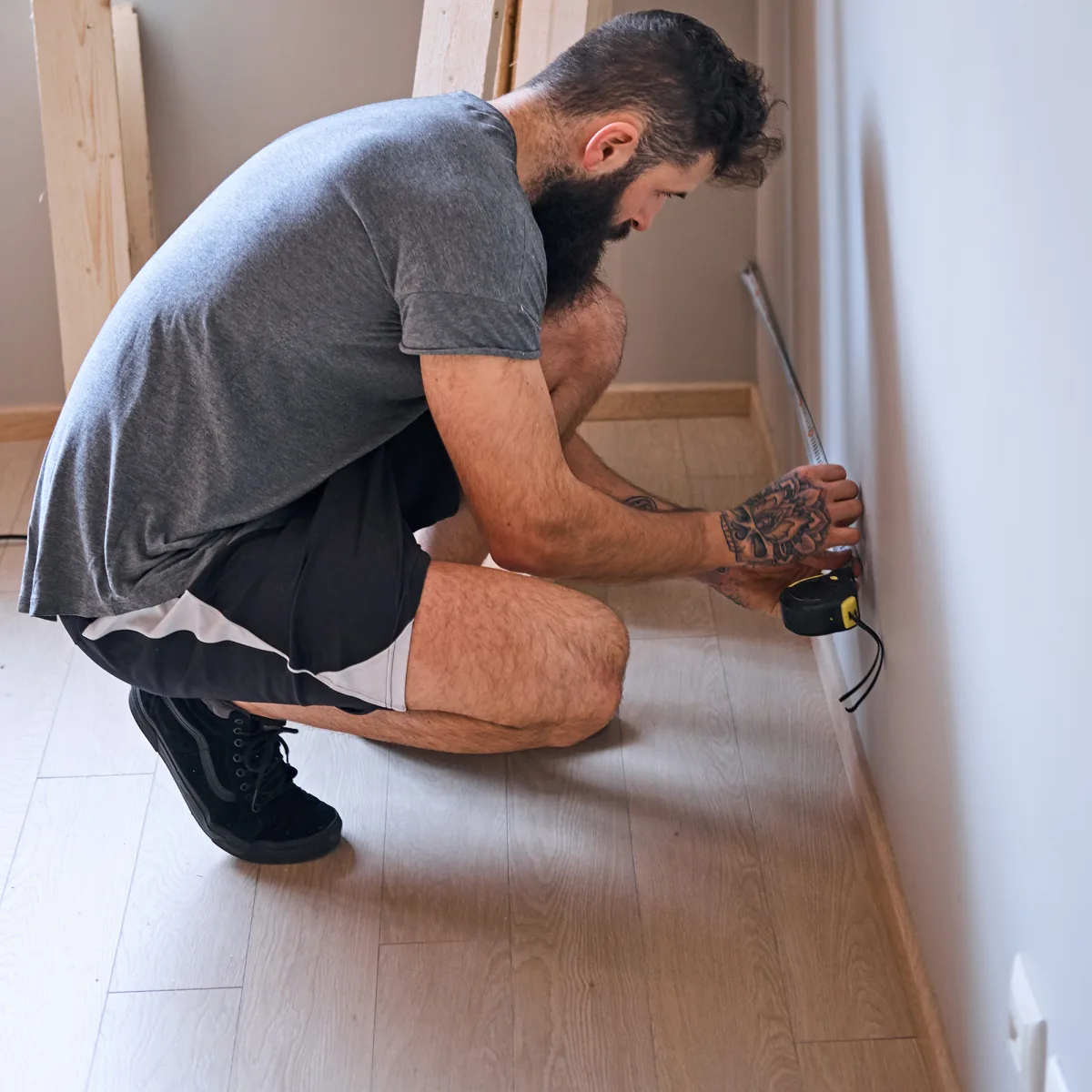
Wood Trim in Phoenix Done Right
Trim is one of the first things a guest notices, even if they cannot say why — gapped baseboard, an uneven crown corner, or cracked casing makes a whole room feel unfinished, no matter how nice the paint or furniture is. Clean, tight trim is what makes a room look intentional.
The trouble is that trim work looks simple and rarely is. Compound miter cuts at inside and outside corners, coping instead of mitering on crown molding, and caulking every seam so it reads as one continuous line all take a steady hand and the right tools. A rushed job leaves gaps that open wider as the house heats and cools through a Phoenix summer.
ShowUp Promise replaces that guesswork: tell us which trim you need and we match you with a vetted, licensed, insured, background-checked carpentry pro near you. You get the right profile and material for your home, an upfront price, and a pro who shows up — and if they do not, the ShowUp Guarantee means you do not pay.
The Trim Phoenix Pros Install Most
Most calls come down to a handful of jobs. The pros in our network measure and cut for a tight fit instead of just nailing up whatever is on the truck:
- Baseboard replaced or upgraded throughout a room, hallway, or whole house
- Crown molding installed with true compound-miter or coped corners
- Door and window casing that frames an opening clean and square
- Chair rail installed at a consistent, leveled height
- Wainscoting and panel molding for dining rooms, entries, and offices
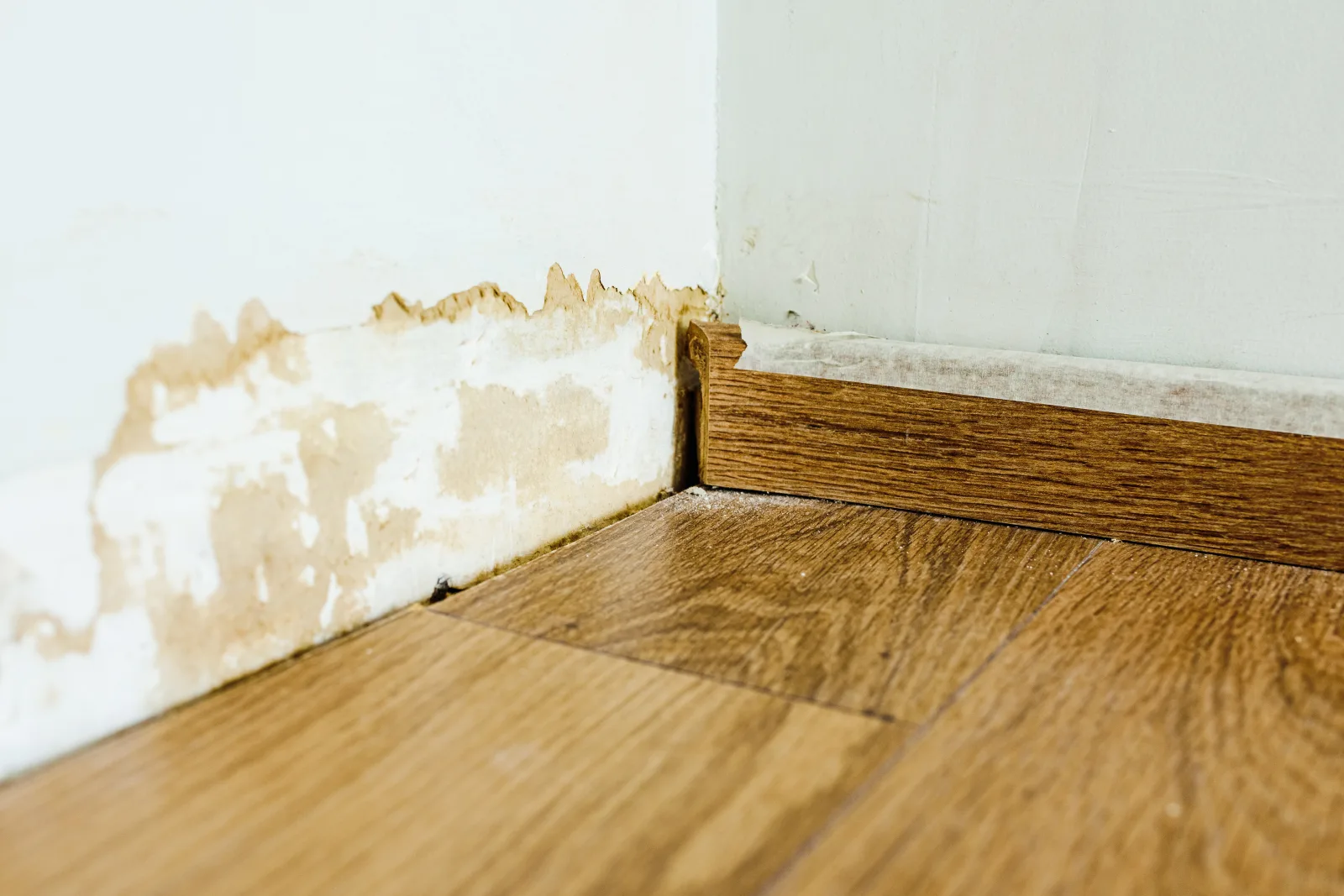
- Existing damaged, cracked, or water-stained trim removed and replaced
Why Phoenix Trim Cracks and Gaps
Phoenix is hard on wood trim. The swing between a 110-degree afternoon and a cooler, air-conditioned indoor night makes wood and MDF expand and contract more than in milder climates, which is why mitered corners that were tight at install open into visible gaps a season or two later.
Dry desert air pulls moisture out of solid wood trim over time, causing shrinkage and hairline cracks at the joints, while MDF trim near an exterior door or a kitchen sink can swell and bubble if it ever gets wet. A generic install that ignores the climate is the reason so many Phoenix homes have gapped baseboard within a couple of years.
A pro who installs trim in Phoenix every day lets the material acclimate to the room first, uses a flexible, paintable caulk at every seam, and picks a material rated for the room — not the cheapest option on the shelf.
How ShowUp Promise Connects You With a Trim Pro
Getting matched takes a couple of minutes. Tell us which trim you need — new baseboard through a room, crown molding for a dining area, fresh door casing, or wainscoting for an entryway — and we connect you with an available, vetted carpentry pro from our network of trusted contractors in Phoenix.
You see and approve an upfront price before any cutting begins, pay securely in-app, and can track your pro's arrival. Because every pro is licensed, insured, and background-checked before they join, you skip the part where you wonder whether the person you called can actually cut a clean miter joint.
No app to download and no obligation to book the first quote — just a faster, safer path to trim that looks finished and stays tight for years.
The ShowUp Guarantee
Every trim-installation pro in the ShowUp Promise network is vetted, licensed, insured, and background-checked before they ever pick up a saw in your home. You approve the price before work starts, and if a pro does not show, you do not pay — the system automatically works to reassign your job to the next available verified pro so you are never left mid-project with no answer.
What Wood Trim Costs in Phoenix
A typical Phoenix trim job runs $3 to $9 per linear foot for baseboard and $5 to $15 per linear foot for crown molding, with door and window casing around $75 to $200 per opening. A single room usually lands at $400 to $1,200.
The final number tracks the material you choose and how much of the existing trim has to come out first — swapping like-for-like baseboard is quick, while removing old trim, patching walls, and cutting precise miters on crown molding takes longer. Solid wood or PVC trim costs more upfront than primed MDF but resists Phoenix's dry-air shrinkage better.
With ShowUp Promise you see an all-in price and approve it before any cutting begins, so there are no surprise add-ons after the job. Ask for the material spec and any workmanship warranty in writing so you know exactly what you are paying for.
Install Once, Choose Trim That Lasts
The best time to upgrade the material is while a pro already has the trim off the wall. Common choices that hold up better in a hot, dry climate:
- Solid poplar or PVC trim that resists Phoenix’s dry-air shrinkage better than MDF
- Primed finger-joint pine for a paint-ready, budget-friendly baseboard
- Taller, wider baseboard profiles that read as a premium upgrade in resale photos
- Coped (not mitered) crown molding corners for a joint that stays tight longer
- Low-VOC, UV-resistant paint or clear coat for trim near sun-facing windows
- Wainscoting or panel molding added to a single accent wall or entry
Measuring, Cutting, and Getting It Tight
Most trim problems trace back to walls and corners that are not perfectly square, which is common in any home — so a pro measures each run and checks the corners before cutting, adjusting the miter angle instead of forcing a factory 45 degrees onto an out-of-square wall.
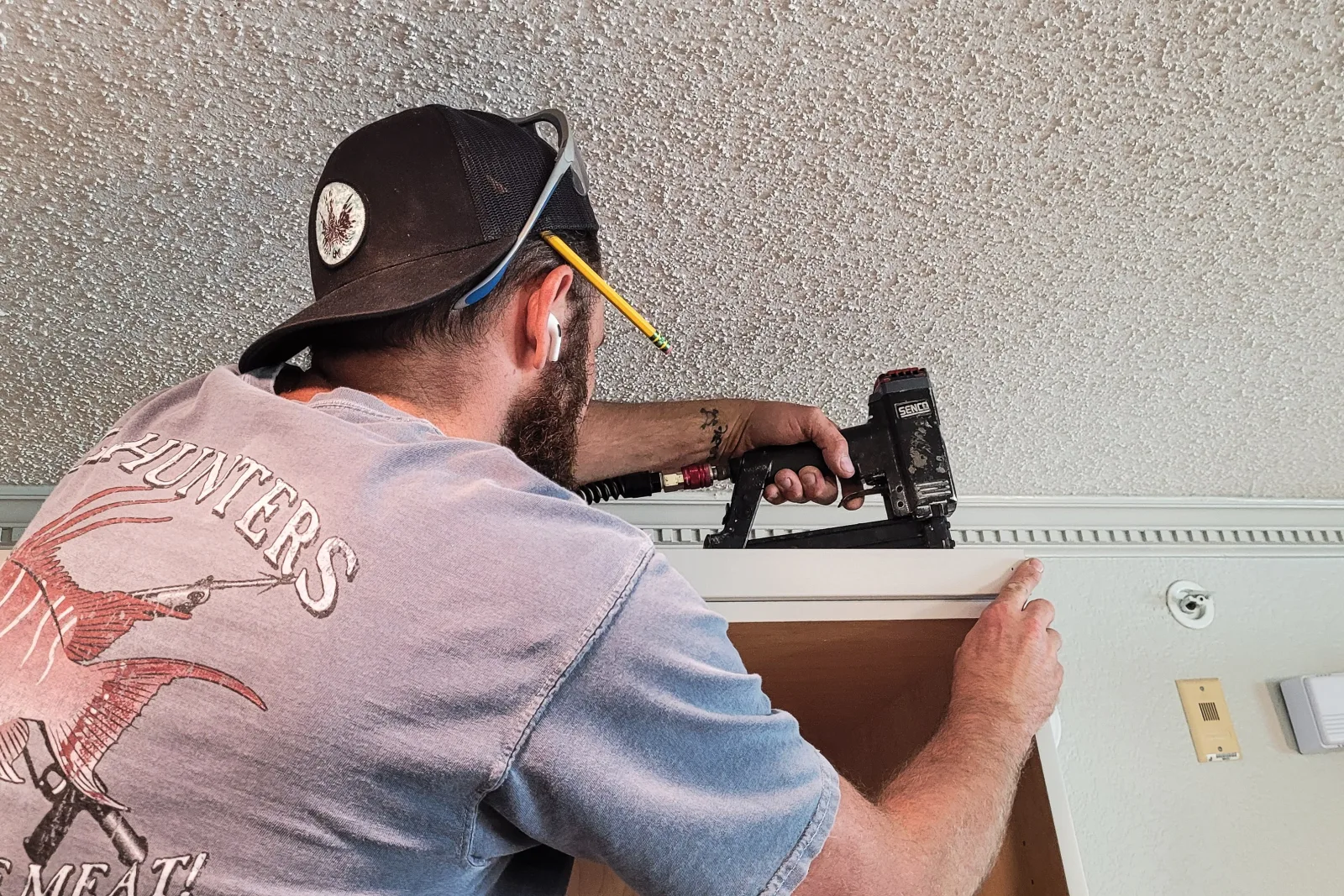
A good install is about the joints as much as the cut. The pro lets the material acclimate to the room's humidity first, nails into studs (not just drywall), and caulks every seam so the finished trim reads as one continuous, tight line instead of a row of visible gaps.
Whether it is a single room of baseboard, a full crown-molding package, or a wainscoting accent wall, ShowUp Promise matches you with a vetted pro who measures right and quotes it upfront — no cutting corners on the fit you will notice for years.
Serving Phoenix and the Whole Valley
ShowUp Promise matches homeowners with wood-trim and carpentry pros across Phoenix and the wider Valley, including Mesa, Scottsdale, Paradise Valley, Chandler, Tempe, Gilbert, Glendale, Peoria, Surprise, and Goodyear. Wherever your home is, there is likely a vetted pro nearby who cuts tight miters in desert homes every day.
Tackling more than just trim? The same network covers other carpentry and home jobs Phoenix homeowners need, like cabinet refacing in Phoenix, custom cabinets in Phoenix, and door installation in Phoenix. You can also browse all of our trusted contractors in Phoenix in one place.
Wood Trim Phoenix FAQ
How Much Does Wood Trim Installation Cost in Phoenix?
Baseboard, Crown Molding, or Door Casing — What Is Different About Each?
What Trim Material Holds Up Best in Phoenix's Dry Heat?
How Long Does Wood Trim Installation Take?
Do I Need a Permit to Install New Trim in Phoenix?
Painted or Stained Trim — Which Is Better for a Phoenix Home?
Will New Wood Trim Increase My Home's Resale Value?
How Do You Install Wainscoting or a Chair Rail?
How Do I Know the Trim Installer Is Licensed, Insured, and Qualified?
Get Your Phoenix Wood Trim Installed
Match with a vetted, licensed, insured Phoenix trim pro who cuts a clean miter, caulks every seam, and shows up when they say they will.