Tile Repair in Phoenix, Arizona
Tile repair in Phoenix means dealing with problems most repair pros elsewhere rarely see, slab movement from our clay soil cracking tile straight across a floor, hard water eating away at grout lines, and decades-old tile in older neighborhoods that has not been manufactured in years.
Tell us what's cracked, loose, or water-damaged and get matched with a background-checked Phoenix tile repair pro who shows up on time.
No app to download. Works right in your browser.
ShowUp Guarantee, no-show means no pay.
Most single-tile repairs: same-day visit, itemized pricing upfront.
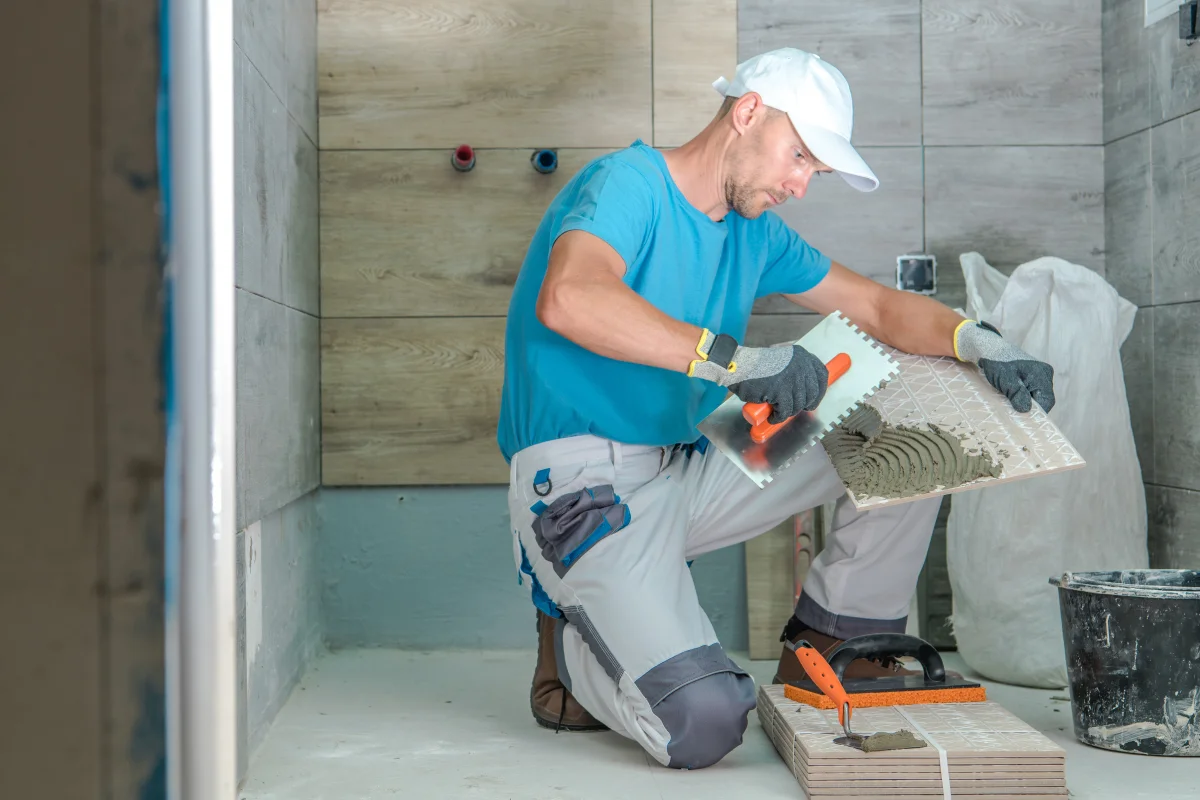
Why Phoenix Homeowners Need Tile Repair
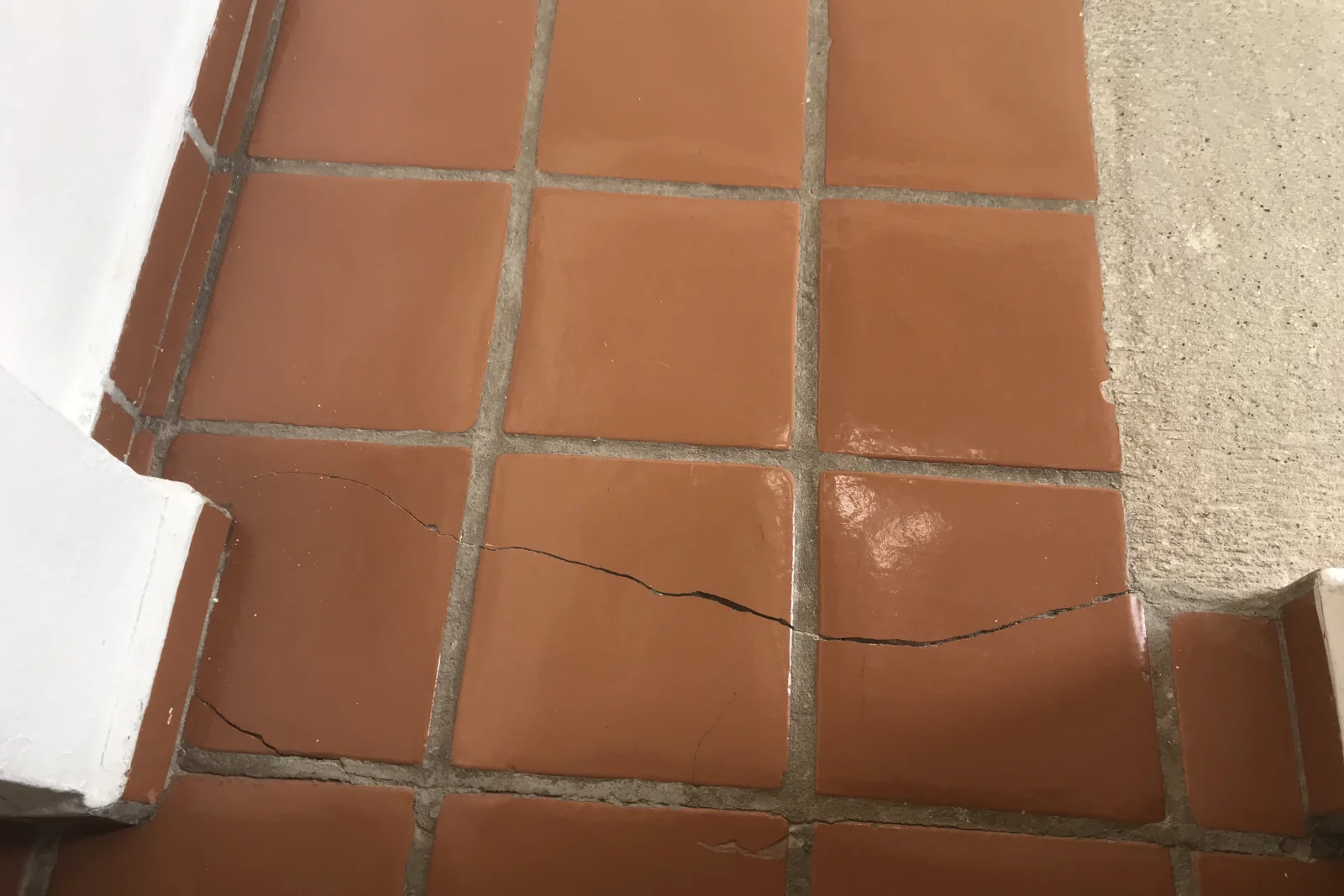
Tile repair calls in Phoenix usually come from one of two places: a crack has appeared straight across a floor tile (or several in a line) as the slab underneath shifts with the season, or grout that once looked fine has started crumbling, staining, or pulling away from the tile edge after years of hard water and shower steam.
Either way, the fix has to account for conditions most tile pros outside the desert never deal with, soil movement that keeps cracking new tile if the underlying cause is not addressed, and a water supply mineral-heavy enough to eat through grout faster than in most other cities.
ShowUp Promise matches you with a vetted, licensed, insured, background-checked tile pro who inspects the damage, tells you honestly whether it is a quick regrout or a full tile swap, and if they do not show up, the ShowUp Guarantee means you do not pay.
When Phoenix Homeowners Call a Tile Repair Pro
Most tile repair jobs fall into a handful of common situations:
- A single cracked or chipped floor tile, often in a kitchen or entryway high-traffic area
- A line of cracked tiles that appeared after a slab shift, common after a heavy monsoon season
- Loose or hollow-sounding tile in a shower or tub surround that needs to come out before it worsens
- Crumbling, stained, or missing grout lines that let water get behind the tile
- Water-damaged tile around a toilet, vanity, or washing machine hookup
- Matching new tile into an older home where the original pattern is long discontinued
- A tile floor or backsplash that needs a partial patch instead of a full replacement
Why Phoenix Soil and Water Crack Tile Differently
Phoenix sits on expansive clay and caliche soil that shifts as it swings between monsoon-season moisture and the long dry stretch that follows, and that movement transfers stress straight into a tile floor sitting on a concrete slab, which is why a hairline crack in one tile can turn into a line of cracked tiles across a room within a season or two if it is not addressed.
Older homes in neighborhoods like Encanto, Coronado, and the Willo Historic District near Central Avenue often still have their original tile from decades ago, and matching a replacement piece to a discontinued pattern is one of the most common jobs a Phoenix tile pro handles. Newer builds out toward Desert Ridge and Ahwatukee tend to see more grout wear from hard water than slab cracking, since the foundations are younger.
A tile pro working homes along Camelback Road, Indian School Road, and the I-17 corridor every week knows the difference between a crack that is cosmetic and one that signals real slab movement worth flagging before more tile goes.
Regrouting, Tile Matching, or Full Replacement
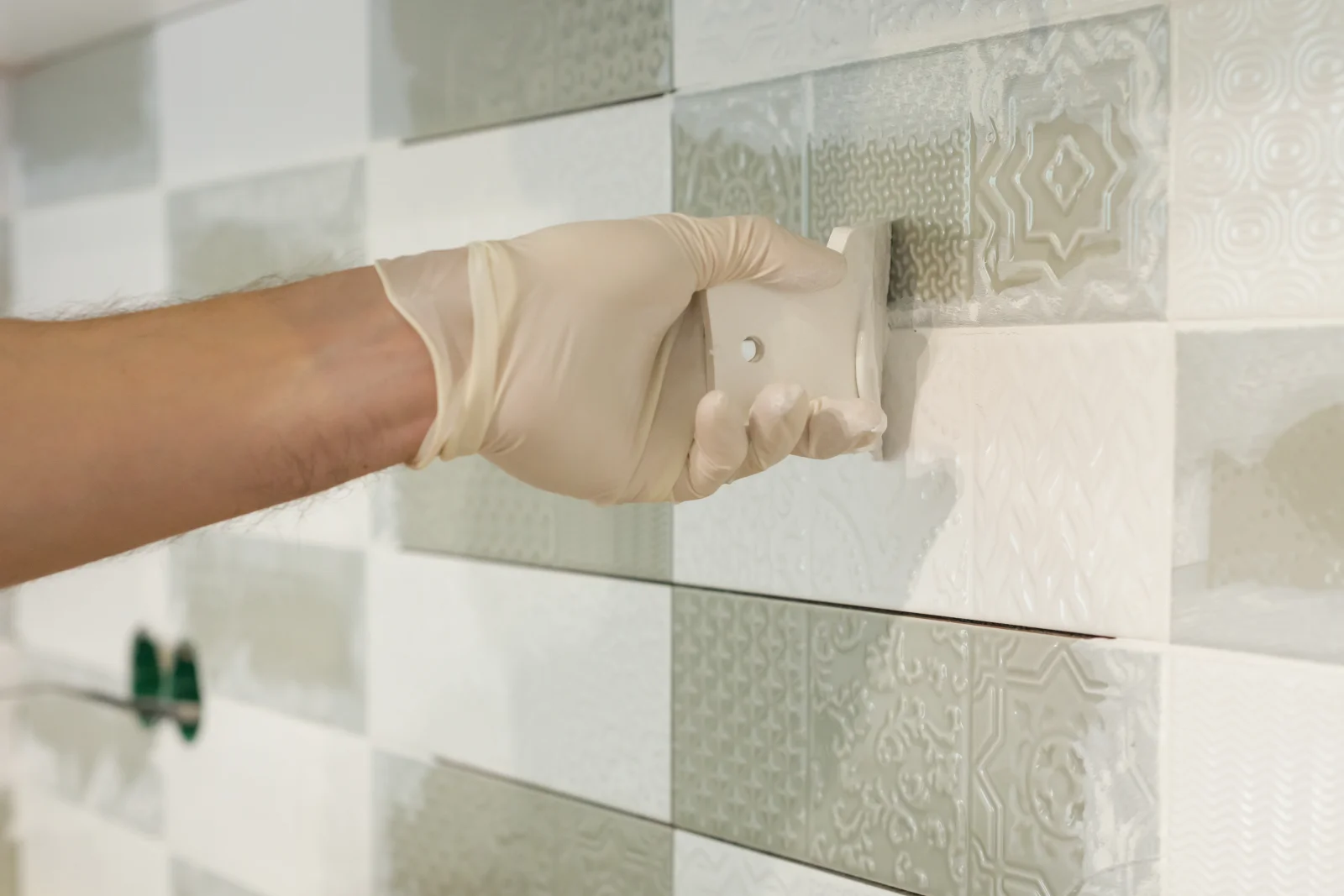
If the tile itself is sound and the problem is crumbling or stained grout, a regrout is usually the fastest fix, grinding out the failed grout lines and repacking them with fresh, sealed grout rated for wet areas.
A cracked, chipped, or hollow-sounding tile needs to come out and be replaced instead. Your pro will tap-test the surrounding tiles during the estimate, since one hollow tile from failed adhesive often means its neighbors are close behind. Matching an exact replacement into an older Phoenix home can mean pulling a spare tile from a closet or garage, sourcing a close match through a specialty supplier, or borrowing tile from a low-visibility spot to patch the damaged area.
Your tile repair pro walks you through which route fits your specific damage before any tile comes up.
Fixing Water-Damaged Tile Without a Full Remodel
Water damage in a Phoenix bathroom or kitchen usually shows up as loose or bulging tile near a shower pan, tub surround, toilet base, or a washing machine hookup where a slow leak went unnoticed for months.
In most cases the damage is limited to a section of wall or floor, so your pro can pull just the affected tiles, check the backer board or subfloor underneath for rot or mold, replace anything compromised, and re-tile that section without touching the rest of the room. The EPA's guide to mold and moisture in the home notes that hidden moisture behind tile or drywall can start growing mold within 24 to 48 hours, which is why a loose or bulging tile is worth addressing quickly rather than waiting.
A full remodel only becomes necessary when water has spread behind a large section of wall or under most of the floor, something your ShowUp Promise pro can confirm honestly once the damaged area is opened up, rather than assuming the worst before looking.
What Tile Repair Costs in Phoenix
A single cracked or loose tile replacement typically runs $75 to $200 per tile once sourcing a match and re-setting it is factored in. Regrouting runs $5 to $10 per square foot, so a standard bathroom floor lands around $200 to $450.
Larger jobs, several cracked kitchen tiles, or a shower wall with failed grout and hidden water damage, usually run $400 to $1,200 depending on how much demo and tile-matching is involved.
With ShowUp Promise you see an itemized, upfront price after your pro looks at the damage in person, so there are no surprise add-ons once the old tile comes up.
Serving Phoenix and the Whole Valley
ShowUp Promise matches homeowners with tile repair pros across Phoenix and the wider Valley, including Encanto, Coronado, Willo, Arcadia, Laveen, Sunnyslope, Desert Ridge, Ahwatukee, Scottsdale, Tempe, Mesa, Chandler, and Gilbert. Wherever your home is along the I-17, SR-51, or Loop 202 corridor, there is likely a vetted pro nearby who repairs tile for Phoenix conditions every day.
Dealing with more than just tile? The same network covers shower door installation, window repair, licensed handyman services, glass door repair, gutter installation and repair, garage door replacement, garage door spring repair, garage door tune-ups, emergency garage door repair, and flag pole installation. You can also browse all of our trusted contractors in Phoenix in one place.
The ShowUp Guarantee
Every tile repair pro in the ShowUp Promise network is vetted, licensed, insured, and background-checked before they ever reach your door. You approve the price before work starts, and if a pro does not show, you do not pay, the system automatically works to reassign your job to the next available verified pro so your project is never left half-finished.
Tile Repair Phoenix FAQ
How Much Does Tile Repair Cost in Phoenix?
Can a Repair Pro Match Tile in an Older Phoenix Home?
Regrout or Replace, How Do You Decide?
What Causes Tile to Crack in Phoenix Homes?
How Long Does a Tile Repair Job Take in Phoenix?
Can Water-Damaged Bathroom Tile Be Fixed Without a Full Remodel?
Do You Need a Permit to Repair or Replace Tile in Phoenix?
Why Does My Grout Keep Failing Even After a Repair?
Can You Repair Just a Few Tiles Instead of Replacing the Whole Floor?
Get Your Phoenix Tile Fixed
Match with a vetted, licensed, insured Phoenix tile repair pro who fixes it right and shows up when they say they will.